US Semiconductor Export Controls Spark Innovation Surge
Washington D.C., Wednesday, 6 November 2024.
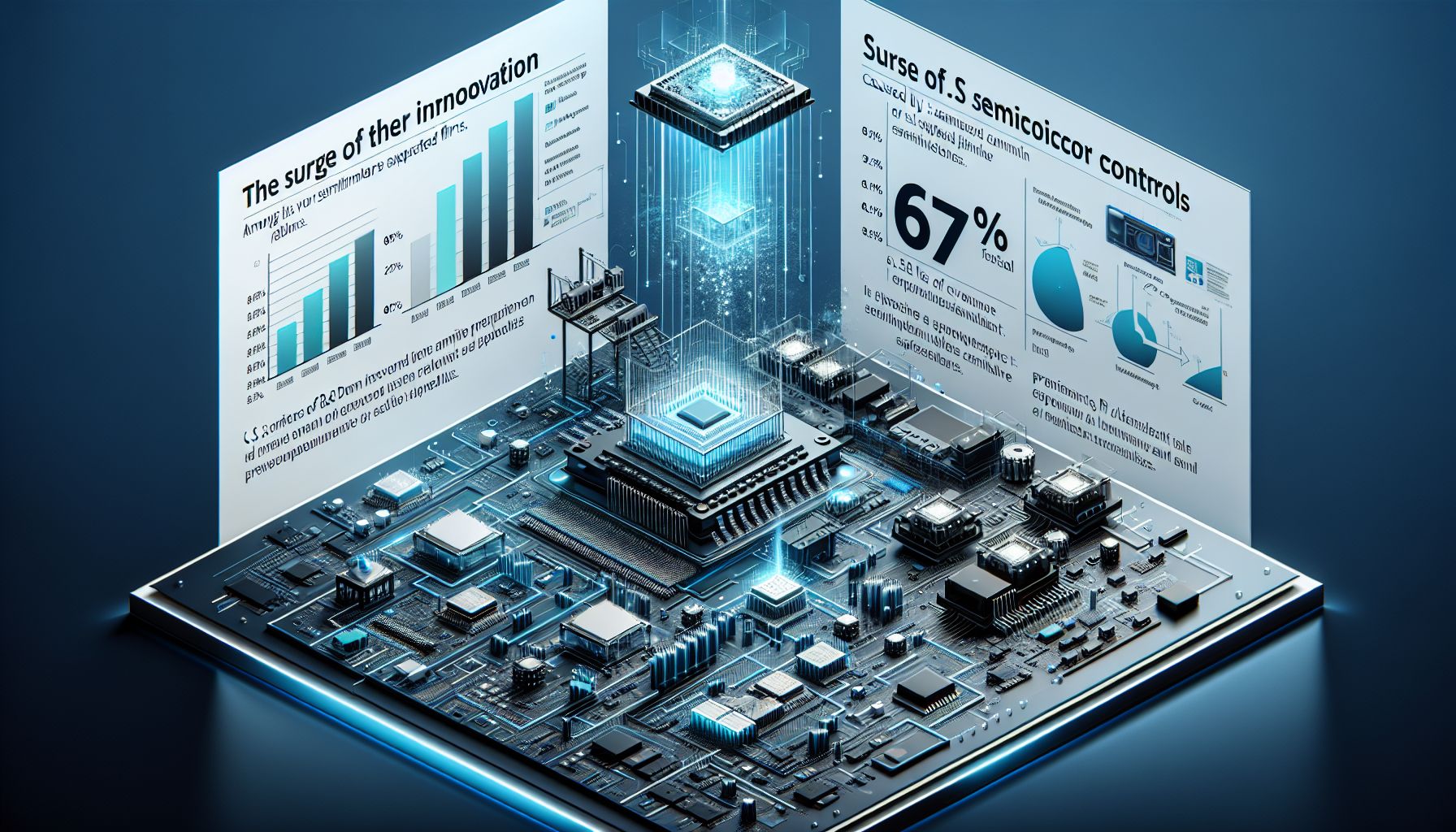
Recent U.S. semiconductor export controls targeting China have unexpectedly boosted innovation in the industry. A study of 30 leading firms reveals increased R&D spending and patent filings, particularly in AI semiconductors. Companies affected by the October 2022 controls showed a 68% rise in R&D expenditure, outpacing non-affected peers.
Historical Context of Export Controls
The United States’ history of semiconductor export controls dates back to the 1950s, initially focused on military applications. Over the years, these controls have evolved to include commercial concerns, reflecting the growing importance of semiconductors in global technology and economic landscapes. In recent years, especially since 2017, the U.S. has targeted China with stringent export controls, aiming to restrict access to advanced semiconductor technologies that could enhance military capabilities[1].
Impact on Research and Development
The study of 30 leading semiconductor firms showed a remarkable increase in R&D and patent filings, contradicting initial fears that export controls might stifle innovation. Affected companies reported a 68% increase in R&D expenditure compared to a 27% rise among their non-impacted counterparts. This surge is attributed to the burgeoning AI semiconductor market and an urgent push to innovate in response to geopolitical pressures[1].
AI and Patent Filing Trends
The drive for innovation is particularly pronounced in AI-related semiconductors. The global landscape for semiconductor patents saw a substantial increase, with China leading a 42% surge in filings, reflecting its strategic shift towards self-reliance amidst U.S. export restrictions[2]. The U.S., while also experiencing an increase in patent filings, has focused on maintaining a competitive edge in AI technology through domestic incentives like the Inflation Reduction Act[2].
Geopolitical and Economic Implications
U.S. export controls have not only reshaped innovation strategies but also influenced global supply chains and economic policies. Taiwan, a critical player in the semiconductor industry, faces a geopolitical conundrum as it continues to supply China despite mounting U.S. pressures. This highlights the complex interplay between economic interests and national security considerations across the technology sector[3].
Expert Opinions and Policy Recommendations
Experts like Andreas Schumacher emphasize the importance of understanding market dynamics to effectively target export controls. There is a consensus on the need for multilateral cooperation to ensure a level playing field and mitigate potential negative impacts on innovation. Policymakers are urged to focus on clearly defined national security objectives and conduct regular economic impact analyses to refine export control strategies[1].