Custom USB-C PCBs Face Charging Issues Due to Incorrect Resistor Values
Chicago, Wednesday, 30 October 2024.
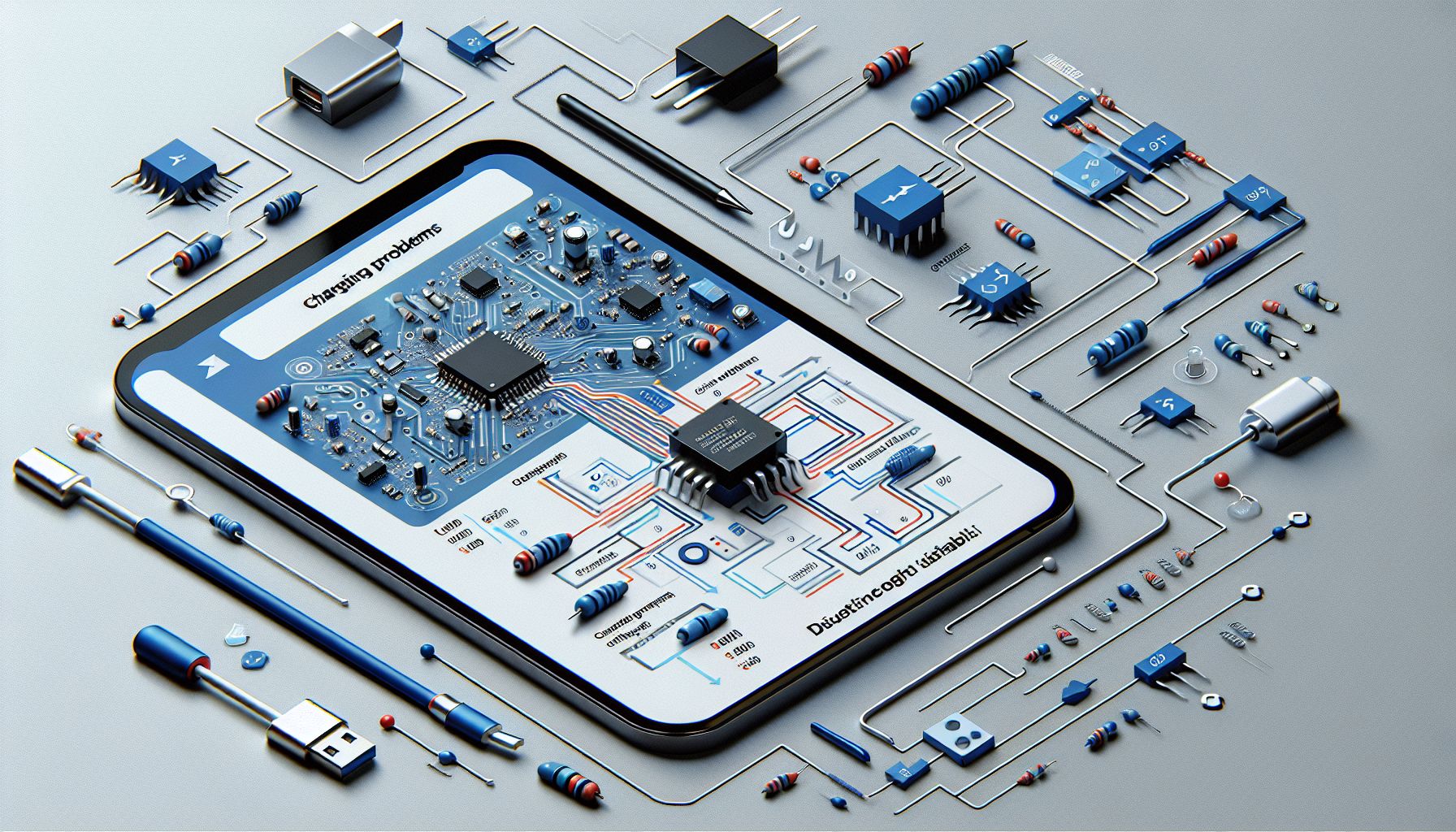
Recent discussions reveal that incorrect resistor values in custom USB-C PCBs are causing charging problems, affecting power delivery efficiency. This issue highlights the critical importance of precision in DIY electronic assembly and thorough testing procedures.
Understanding the USB-C Charging Dilemma
The growing popularity of USB-C as a universal charging and data transfer standard has led to its widespread adoption in custom-built electronic projects. However, as recent discussions on online forums have shown, the precision required in constructing custom USB-C PCBs can often be underestimated. One significant issue that has emerged involves the use of incorrect resistor values, which disrupt the power delivery efficiency. This problem can result in devices not charging correctly or even experiencing potential damage due to improper current flow.
The Role of Resistors in Power Delivery
Resistors are crucial components in electronic circuits, serving to limit current flow and divide voltage. In USB-C charging circuits, precise resistor values are vital for proper communication between the power source and the device being charged. These values ensure that the correct amount of power is delivered, preventing overcurrent situations that could lead to overheating or component failure. According to discussions on platforms like Reddit, many DIY enthusiasts have encountered issues where incorrect resistor values lead to inefficient charging or complete failure of power delivery[1].
Common Mistakes in DIY PCB Assembly
The process of designing and assembling custom PCBs requires meticulous attention to detail, especially when dealing with components as sensitive as resistors. Errors can occur during the selection and placement of these components, often due to misinterpretation of circuit design software warnings or neglecting to double-check component specifications. Users of software like KiCad have reported encountering design rule check (DRC) warnings, which, if ignored, can contribute to incorrect resistor placement or value selection[2].
Solutions and Best Practices
To mitigate these issues, hobbyists and engineers are encouraged to adopt rigorous testing and verification processes. This includes double-checking resistor values against the design specifications and running simulations to ensure circuit integrity. Additionally, utilizing reputable component suppliers and thoroughly reading datasheets can help prevent the use of incorrect components. For those facing persistent issues, seeking advice from online communities or consulting with experienced professionals can provide valuable insights and solutions.