OpenAI's Strategic Shift: Custom Chips and AMD Partnership
San Francisco, Tuesday, 12 November 2024.
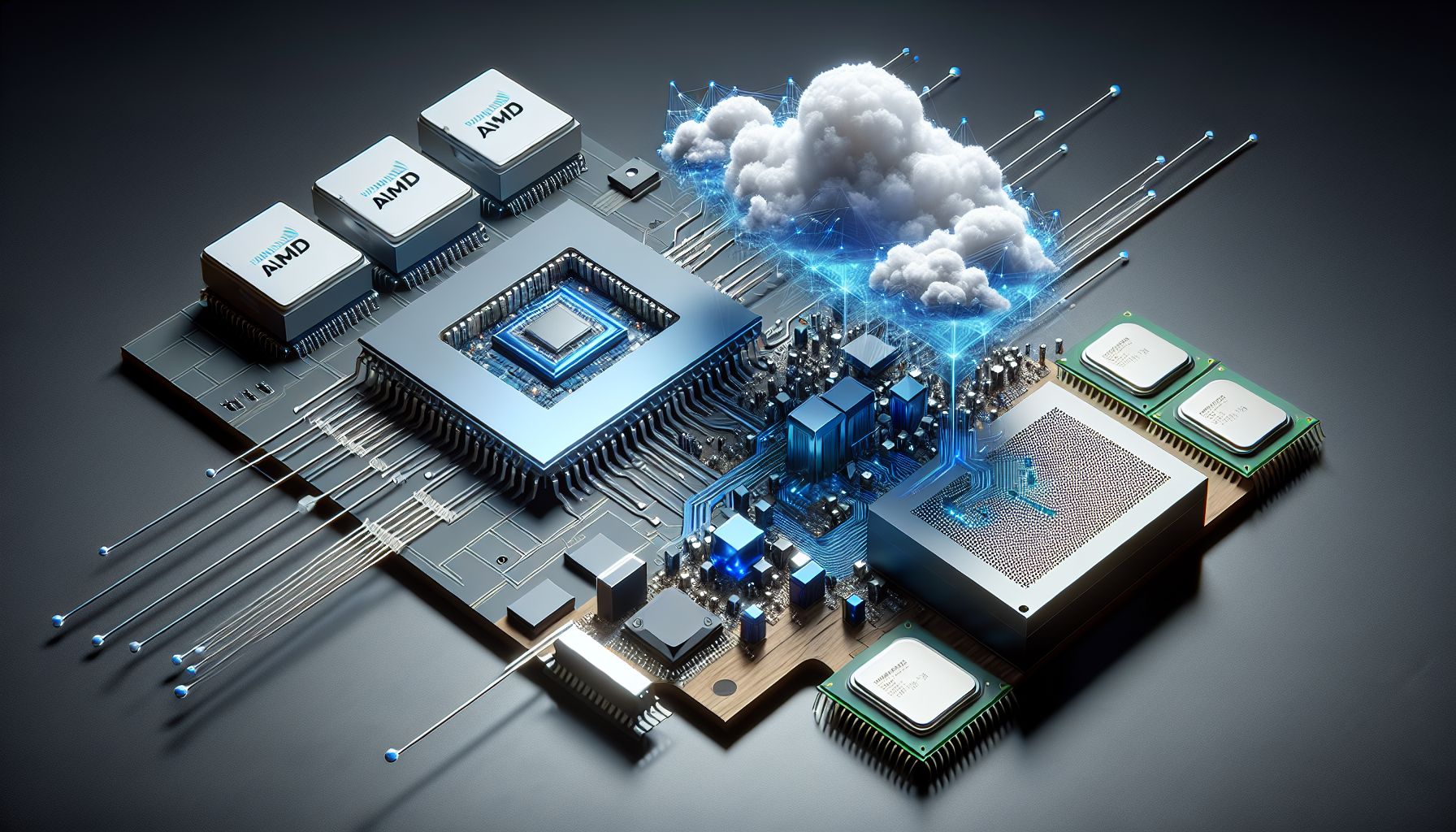
OpenAI is developing custom AI chips with Broadcom for 2026 release, while incorporating AMD processors into its Microsoft Azure setup. This move aims to enhance AI workload efficiency and reduce dependence on market-leading Nvidia chips, potentially reshaping the AI hardware landscape.
The Competitive Landscape
As the AI hardware market evolves, companies are increasingly seeking to minimize reliance on dominant players like Nvidia. OpenAI’s strategic development of custom chips, in collaboration with Broadcom, reflects a burgeoning trend in the industry. The initiative underscores the growing importance of diversifying hardware solutions to better manage costs and enhance system performance. This shift is not only about reducing dependency but also about paving the way for more tailored and efficient hardware solutions capable of meeting specific AI workload demands[1].
AMD’s Role in OpenAI’s Evolution
In the interim, OpenAI’s integration of AMD processors into its Microsoft Azure setup represents a significant step towards optimizing its current infrastructure. AMD’s MI300 chips, introduced last year, have been instrumental in boosting the company’s data center business, which reportedly doubled in revenue within a year[2]. This partnership allows OpenAI to leverage AMD’s advanced capabilities to enhance its AI processing power, thereby improving efficiency and potentially lowering operational costs.
Broadcom’s Custom Chip Development
The collaboration with Broadcom to develop custom AI chips is set to revolutionize OpenAI’s hardware capabilities by 2026. These custom chips are expected to handle large-scale AI workloads more effectively, offering a competitive edge in a market where speed and efficiency are paramount. This development aligns with the broader industry trend of tech giants investing in proprietary hardware solutions to better control and optimize their AI infrastructure[3].
Implications for the AI Hardware Market
OpenAI’s dual approach, involving both the adoption of AMD’s existing technology and the creation of specialized chips, highlights a strategic pivot that could influence the broader AI hardware market. By potentially setting new standards in hardware efficiency and integration, OpenAI is positioned to challenge existing market dynamics. This could prompt other industry players to explore similar paths, fostering a more competitive and innovative landscape in AI hardware development[4].