Tesla's Robotaxi Reveal: Musk's Vision Meets Investor Skepticism
Austin, Saturday, 12 October 2024.
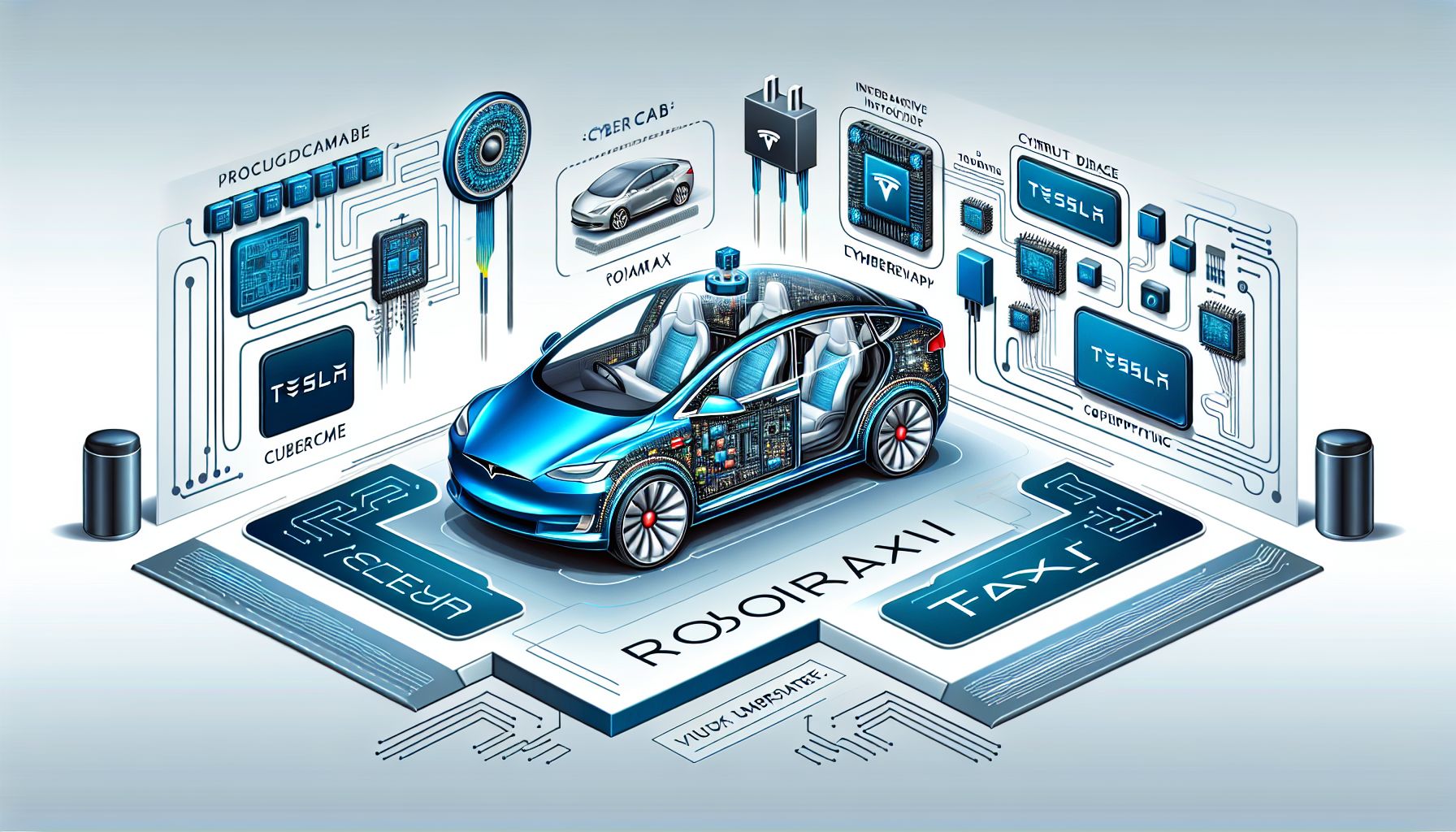
Tesla’s recent robotaxi event, showcasing the ‘Cybercab’ prototype, left investors wanting more concrete details. Despite Musk’s ambitious promises, including autonomous operation by 2025, experts question Tesla’s readiness and regulatory hurdles. The event’s impact was reflected in an 8% drop in Tesla’s stock price.
Ambitious Promises Amid Investor Doubts
At the robotaxi event, Elon Musk presented the ‘Cybercab,’ a prototype promising fully autonomous operation in California and Texas by next year. This bold vision, however, was met with skepticism from industry analysts and investors alike. While Musk’s presentation was rich in futuristic ideals, it lacked the concrete details necessary to reassure stakeholders about the feasibility of these plans. The promise of building the Cybercab by 2026 at a cost of less than $30,000 further fueled the discussions around Tesla’s capability to deliver on its ambitious timelines[1].
Technological and Regulatory Challenges
Experts have raised concerns about Tesla’s self-driving technology, particularly its lack of critical redundancies and safety systems when compared to competitors like Waymo. Matthew Wansley, a professor at the Cardozo School of Law, highlighted that Tesla’s software is significantly behind that of its rivals, emphasizing that no flashy vehicle design can compensate for this gap. Regulatory hurdles also loom large, with Ramesh Poola expressing doubts about Tesla’s ability to shift to unsupervised autonomous driving by 2025 due to anticipated regulatory challenges[2].
Market Reactions and Strategic Focus
The market’s reaction to the event was immediate, with Tesla shares falling nearly 8% in early trading. This downturn reflects not only investor uncertainty but also the broader market’s response to Tesla’s strategic focus. Ross Gerber, CEO of Gerber Kawasaki Wealth and Investment Management, pointed out the need for Tesla to prioritize selling electric vehicles over the next 24 months. The absence of a lower-priced mass-market vehicle, which was once a part of Tesla’s strategy, highlights a critical gap that needs addressing to attract a broader consumer base[1].
Implications for the Ride-Hailing Industry
Interestingly, the event had a positive impact on competitors in the ride-hailing industry. Shares of Uber and Lyft rose by approximately 10% as concerns over competition from Tesla’s robotaxi initiative diminished. This development underscores the competitive dynamics in the autonomous vehicle space and the strategic positioning of traditional ride-hailing firms as they navigate the evolving landscape[1].
Looking Forward: Expert Opinions
Despite the challenges, some experts remain optimistic about Tesla’s long-term potential. Tasha Keeney from ARK Investment Management believes that if Tesla can overcome its current hurdles, the launch of a robotaxi service could happen sooner than anticipated. However, for now, investors and industry watchers will be closely monitoring how Tesla addresses the technological and regulatory challenges that lie ahead on the path to autonomous driving[1].