Winbond's Secure Flash Memory: Fortifying Edge AI Against Quantum Threats
Taipei, Thursday, 14 November 2024.
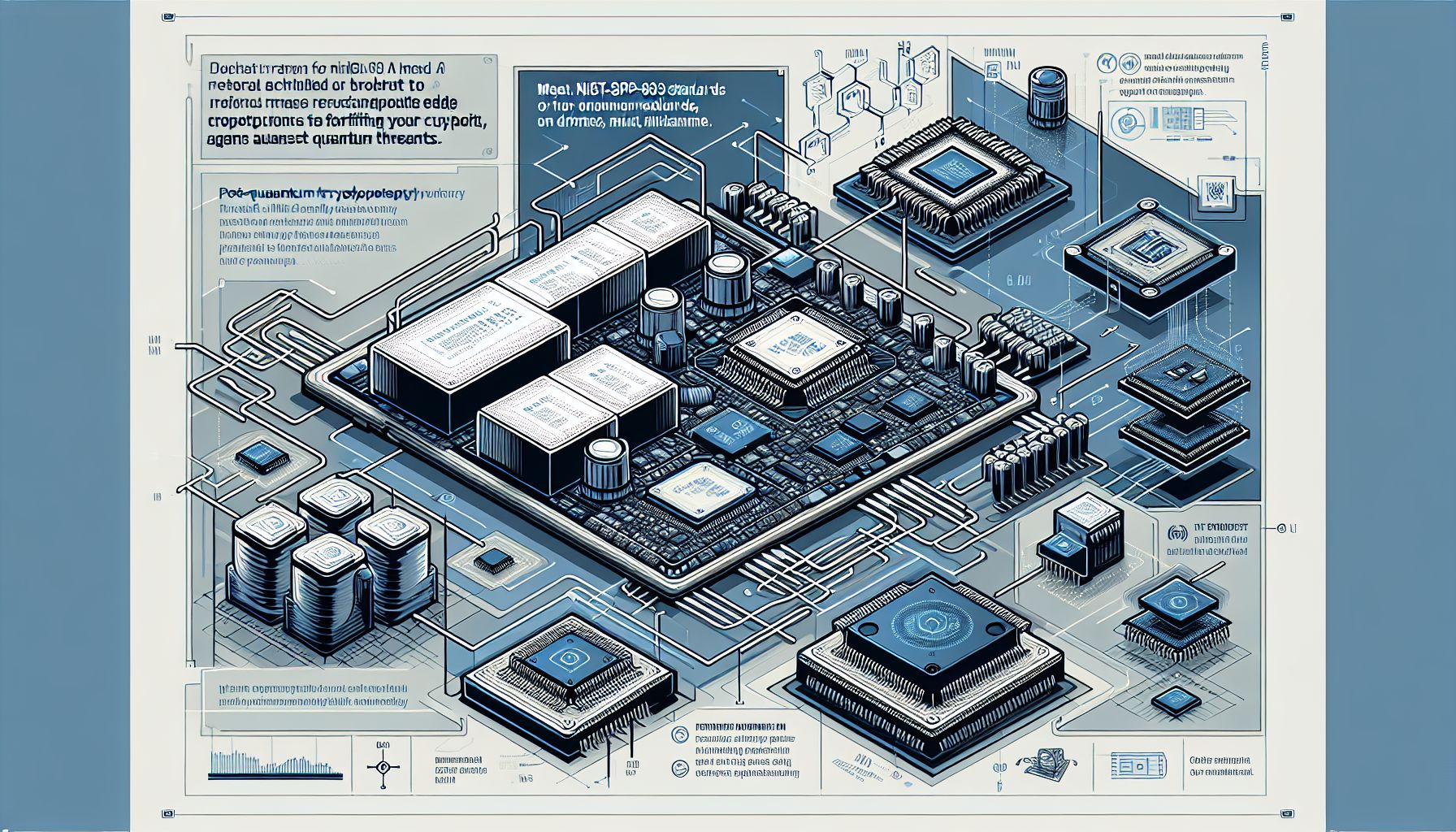
Winbond introduces advanced Secure Flash Memory Technology, meeting NIST-SP800-193 standards for robust edge AI protection. The new W77Q family implements post-quantum cryptography, enhancing IoT device security against future cyber threats.
Innovative Security Features
Winbond’s latest Secure Flash Memory lineup, the W77Q family, marks a significant leap in the realm of cybersecurity for edge AI applications. By incorporating the Leighton–Micali Signature (LMS) algorithm, these devices are among the first to embrace post-quantum cryptography (PQC) techniques. This advancement is pivotal as quantum computing looms on the horizon, threatening to upend traditional cryptographic methods. The LMS algorithm implementation ensures that IoT edge devices are not only prepared but are fortified against potential quantum threats, making them a robust choice for developers and businesses prioritizing security[1].
Meeting NIST-SP800-193 Standards
The adoption of NIST-SP800-193 standards underscores Winbond’s commitment to platform resiliency. This framework emphasizes three core pillars: protect, detect, and recover. Winbond’s Secure Flash Memory excels in these areas, integrating automatic integrity checks and firmware-initiated data authentication using a SHA-256 engine. Furthermore, the devices are designed to recover from unauthorized code changes through an automatic firmware fallback mechanism, ensuring that system integrity is promptly restored in case of a breach. This approach aligns with the growing need for cybersecurity in connected devices across various sectors, including critical infrastructure and government applications[2].
Comparative Analysis with Similar Technologies
When compared to similar technologies in the market, Winbond’s Secure Flash Memory stands out due to its dual focus on security and resilience. While other secure memory solutions may offer basic encryption and data protection features, Winbond’s integration of PQC sets it apart, addressing both current and future cybersecurity challenges. Moreover, its application of TCG DICE attestation and stringent authentication protocols further enhances its security profile, offering a comprehensive solution for protecting critical data. This makes Winbond’s technology particularly appealing for use cases involving sensitive data and high-security environments, such as financial systems and healthcare devices[3].
Use Cases and Recommendations
Winbond’s Secure Flash Memory is ideally suited for industries that require rigorous data security and integrity. For IoT manufacturers, this technology provides a secure foundation for devices that are increasingly targeted by cyber-attacks. Automotive companies can leverage these features to meet stringent cybersecurity requirements, ensuring vehicle safety and compliance with upcoming regulations such as the UN R155. Additionally, businesses involved in critical infrastructure can utilize these devices to safeguard against disruptions caused by cyber threats. For developers, the ease of integration and the robust security framework make Winbond’s Secure Flash an attractive option for building resilient, future-proof systems[4].