USC Pioneers Cutting-Edge Tech in Electrical and Computer Engineering
Los Angeles, Wednesday, 23 October 2024.
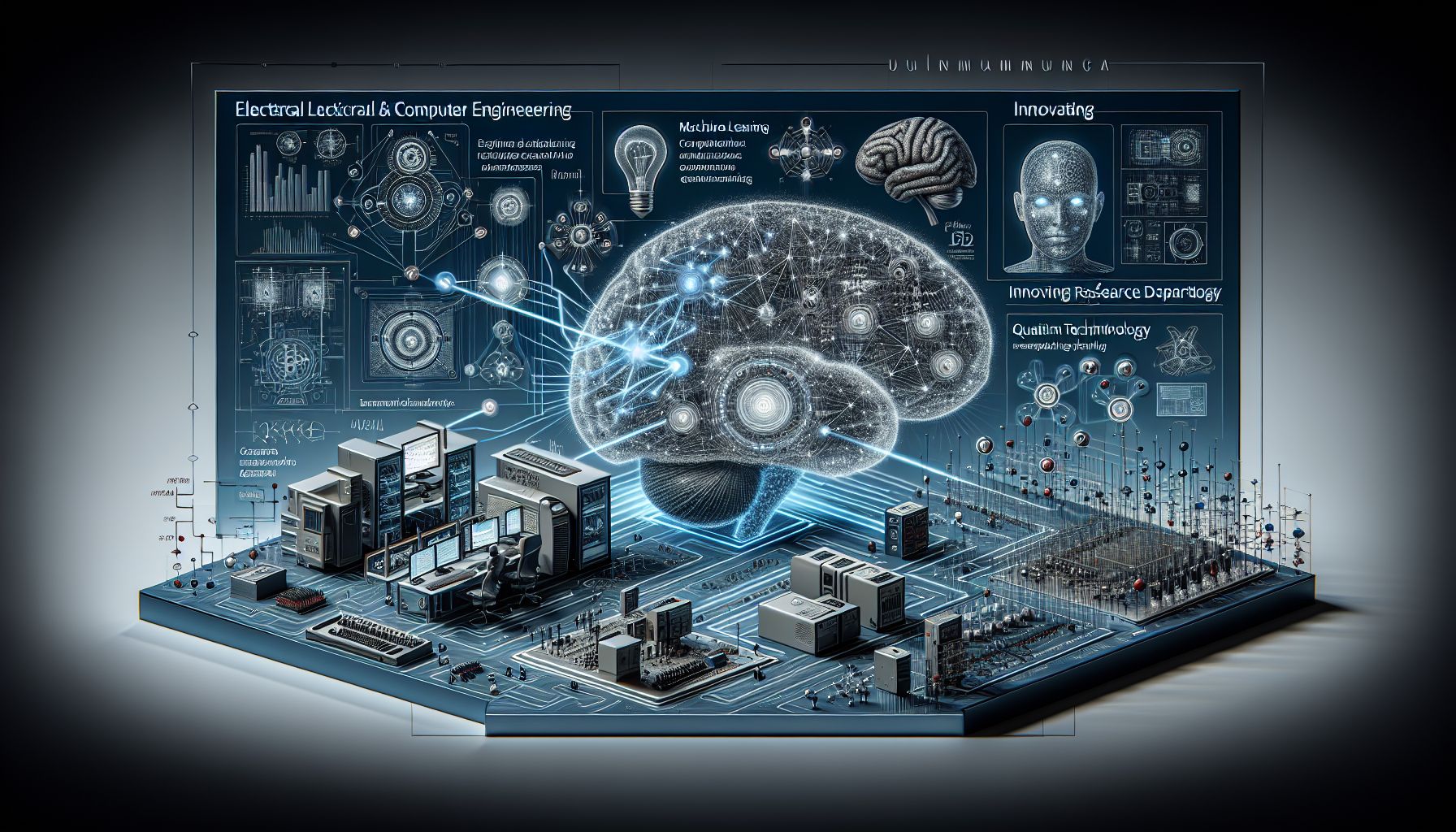
USC’s Ming Hsieh Department of Electrical and Computer Engineering is at the forefront of technological innovation, advancing fields such as machine learning, brain imaging, and quantum technology. These breakthroughs promise to reshape the future of technology and its applications across various sectors.
Machine Learning: Transforming Data into Actionable Insights
The Ming Hsieh Department’s advancements in machine learning are setting new standards in how data is processed and utilized. By developing sophisticated algorithms, USC researchers are enhancing machine learning models to handle complex data sets with greater accuracy and efficiency. These improvements not only boost the performance of AI systems but also expand their applicability across different industries, from healthcare to finance. For instance, in healthcare, enhanced machine learning models can improve diagnostic accuracy and patient care by predicting disease patterns and outcomes based on vast amounts of medical data[1].
Revolutionizing Brain Imaging Technologies
In the realm of brain imaging, USC’s innovations are groundbreaking. The department is pioneering techniques that allow for more detailed visualization and understanding of brain activity. These technologies are crucial for advancing knowledge in neuroscience and improving treatments for neurological disorders. By leveraging quantum technology, researchers are developing imaging systems that offer unprecedented levels of detail, enabling early detection of conditions such as Alzheimer’s disease and epilepsy. This leap in imaging capability promises to enhance both research and clinical applications, providing deeper insights into brain function and dysfunction[1].
Quantum Technology: The Next Frontier
USC’s commitment to quantum technology is propelling the department into the future. Quantum computing and quantum communications are areas where USC is making significant strides. These technologies hold the potential to revolutionize computing power and security. Quantum computers can solve complex problems much faster than classical computers, which is vital for fields requiring intense data processing capabilities. This includes cryptography, where quantum encryption methods could redefine data security standards, ensuring safer communication channels in an increasingly digital world[1].
Implications for the Future
The implications of these technological advancements are vast and far-reaching. As machine learning, brain imaging, and quantum technology continue to evolve, they hold the promise of transforming industries and improving lives. The ability to process and interpret massive data sets can lead to smarter decision-making in business, more personalized healthcare, and enhanced security measures. Moreover, these breakthroughs underscore the importance of interdisciplinary collaboration, as seen in USC’s approach, integrating engineering with fields such as neuroscience and cybersecurity. As these technologies mature, they will likely drive further innovations, creating new opportunities and challenges for society[1].