Hack Club's $100 Grant Sparks Teen Innovation in PCB Design
San Francisco, Saturday, 19 October 2024.
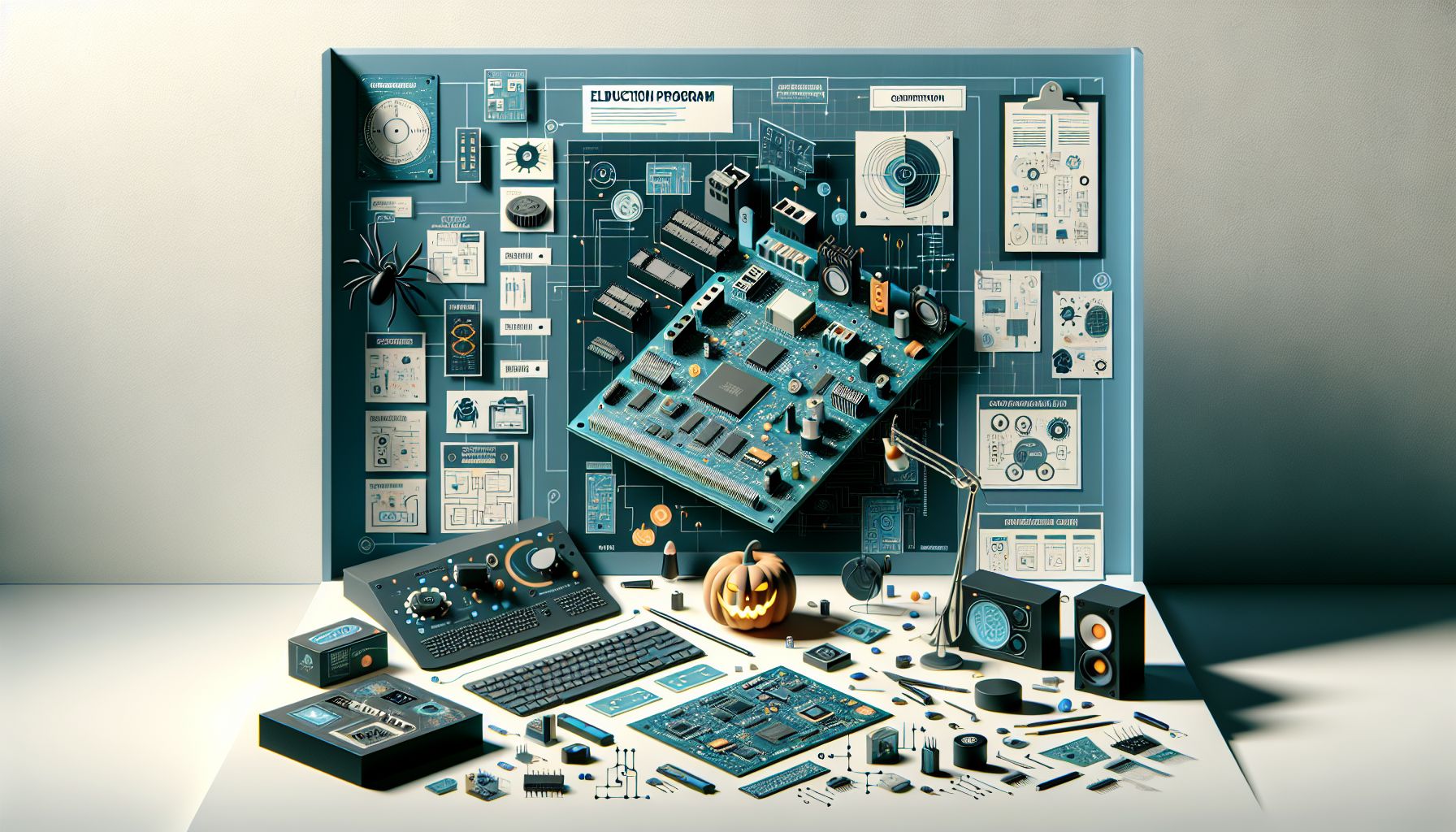
Hack Club’s OnBoard initiative offers high school students up to $100 to create their first printed circuit board. The program, endorsed by Apple co-founder Steve Wozniak, includes a Halloween-themed contest and aims to foster youth engagement in electronics.
Empowering Young Engineers
The OnBoard program is more than just a financial incentive; it is a gateway for young minds to explore the world of electronics and engineering. By providing high school students with up to $100 to cover the costs of PCB manufacturing, Hack Club aims to lower the barriers to entry for aspiring engineers. This initiative not only sparks innovation but also encourages practical learning and application of theoretical knowledge. Steve Wozniak’s endorsement of the program highlights its potential to inspire creativity and technical skill in young participants, allowing them to transform their ideas into tangible projects.
The ‘Trick or Trace’ Contest
Adding a creative twist to the program, Hack Club’s ‘Trick or Trace’ contest challenges participants to design Halloween-themed PCBs. Running until October 21, 2024, this competition offers an additional $100 grant to top submissions. The contest requires designs to be unique, open-source, and orderable through approved vendors like JLCPCB. These submissions must include a comprehensive set of files such as Gerber files, a schematic PDF, and design outputs, all to be showcased on the Hack Club platform. This creative challenge not only tests the participants’ design skills but also fosters a sense of community and friendly competition among young makers.
Support and Community Engagement
Hack Club has cultivated a robust community of over 13,000 makers on its Slack channel, where students can exchange ideas, seek advice, and share their projects. The #electronics channel serves as a hub for collaboration and troubleshooting, while video tutorials and resources provided by Hack Club ensure participants are well-supported throughout their projects. The process of submitting a project involves uploading design files to a GitHub repository, opening a pull request, and obtaining approvals from Hack Club for enrollment verification and design compliance. Successful submissions receive a virtual credit card to fund their PCB orders, allowing students to bring their ideas to life.
Real-World Applications and Future Prospects
The OnBoard program has already seen a diverse range of projects, from USB hubs to digital levels, showcasing the ingenuity and creativity of its participants. Each project not only provides practical experience in electronics but also enhances participants’ problem-solving skills and technical expertise. As students complete their projects, they are encouraged to share photos and experiences within the Hack Club community, further enriching the collaborative spirit of the program. By enabling students to explore and innovate, Hack Club is paving the way for the next generation of engineers and tech entrepreneurs, equipping them with the skills and confidence to excel in the rapidly evolving field of electronics.