Princeton's ECE Department Pioneers Collaborative Innovation in Electronics Education
Princeton, Friday, 1 November 2024.
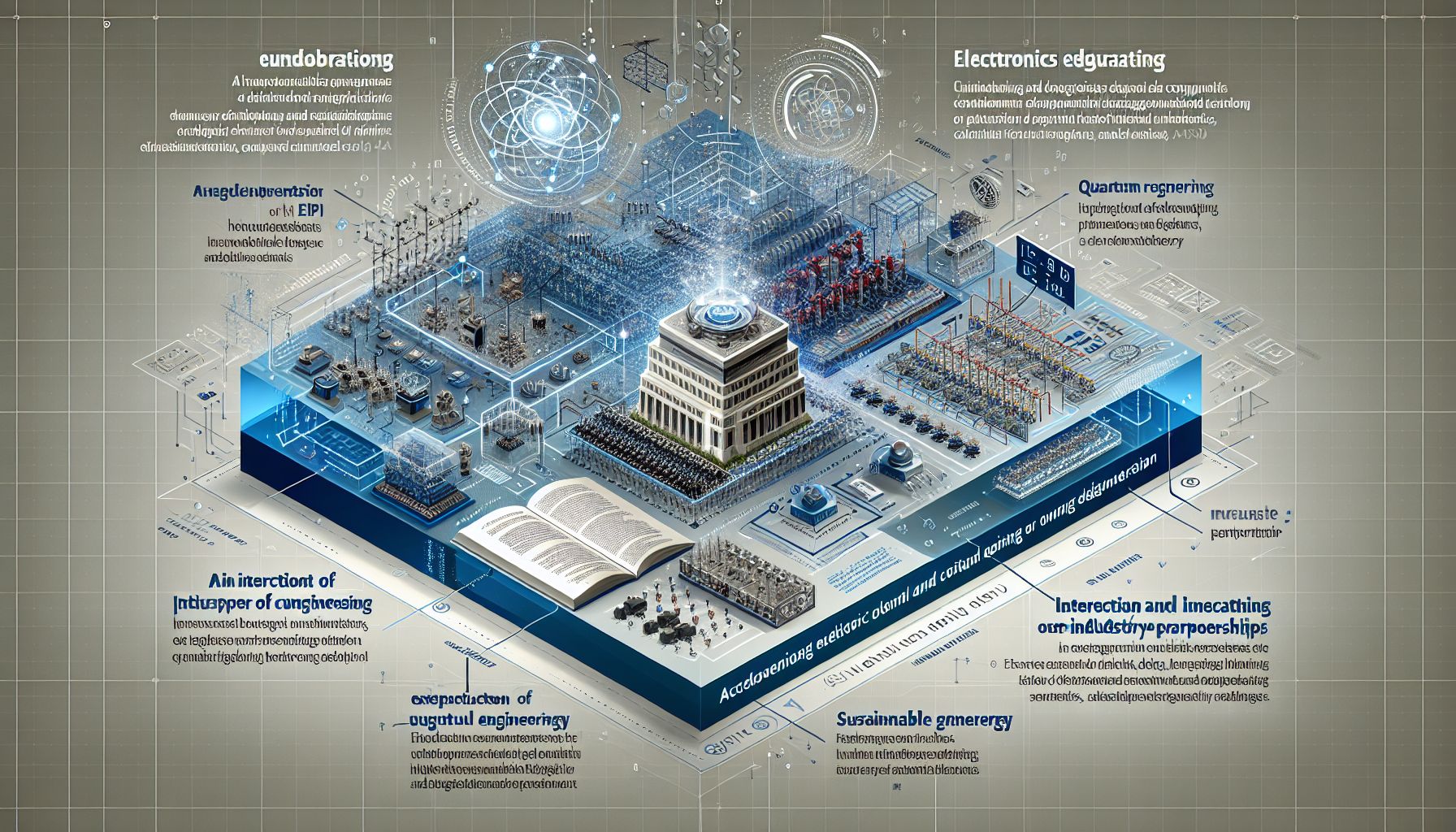
Princeton University’s Electrical and Computer Engineering Department is revolutionizing electronics education through deep collaboration. The department’s approach integrates cutting-edge research with industry partnerships, fostering innovation across various fields including AI, quantum engineering, and sustainable energy solutions.
Innovative Approach to Education
Princeton’s Electrical and Computer Engineering (ECE) Department has embraced a unique educational model that emphasizes collaboration as a cornerstone of its teaching and research methodology. This approach not only enhances the learning experience but also prepares students to tackle real-world challenges by working closely with industry leaders such as Intel. The department’s curriculum is designed to integrate theoretical knowledge with practical applications, allowing students to engage in groundbreaking research projects that address contemporary issues in electronics and computer engineering.
Focus on Interdisciplinary Research
The ECE Department at Princeton is at the forefront of interdisciplinary research, spanning areas like integrated circuits and systems, photonics, and quantum engineering. This breadth of study is supported by the university’s commitment to sustainable energy solutions, aligning its goals with those of the US Environmental Protection Agency. By fostering an environment where students and faculty collaborate on projects that intersect multiple fields, the department not only advances technology but also contributes to a more sustainable future[1].
Real-World Applications and Industry Partnerships
Real-world applications of the department’s research are evident in its collaborations with industry leaders to solve critical global issues. A notable example includes the development of a universal security standard for internet encryption, which was adopted globally in September 2024. This initiative, born out of a study by Princeton researchers, underscores the department’s role in enhancing digital security and its impact on society[2]. Furthermore, faculty members like Guillermo Sapiro are pioneering health-related AI tools, showcasing the department’s influence on healthcare technology through partnerships with companies like Apple[3].
Resources for Further Learning
For students and professionals looking to expand their knowledge in electronics and computer engineering, Princeton offers various academic programs and resources. The Princeton-Intel Research Experience for Undergraduates (REU) provides hands-on research opportunities, fostering a deeper understanding of complex engineering concepts. Additionally, the department encourages continuous learning and innovation through its climate and inclusion initiatives, ensuring a diverse and supportive learning environment[4].