Huawei Unveils Global City Intelligent Twins for Urban Transformation
Shenzhen, Monday, 28 October 2024.
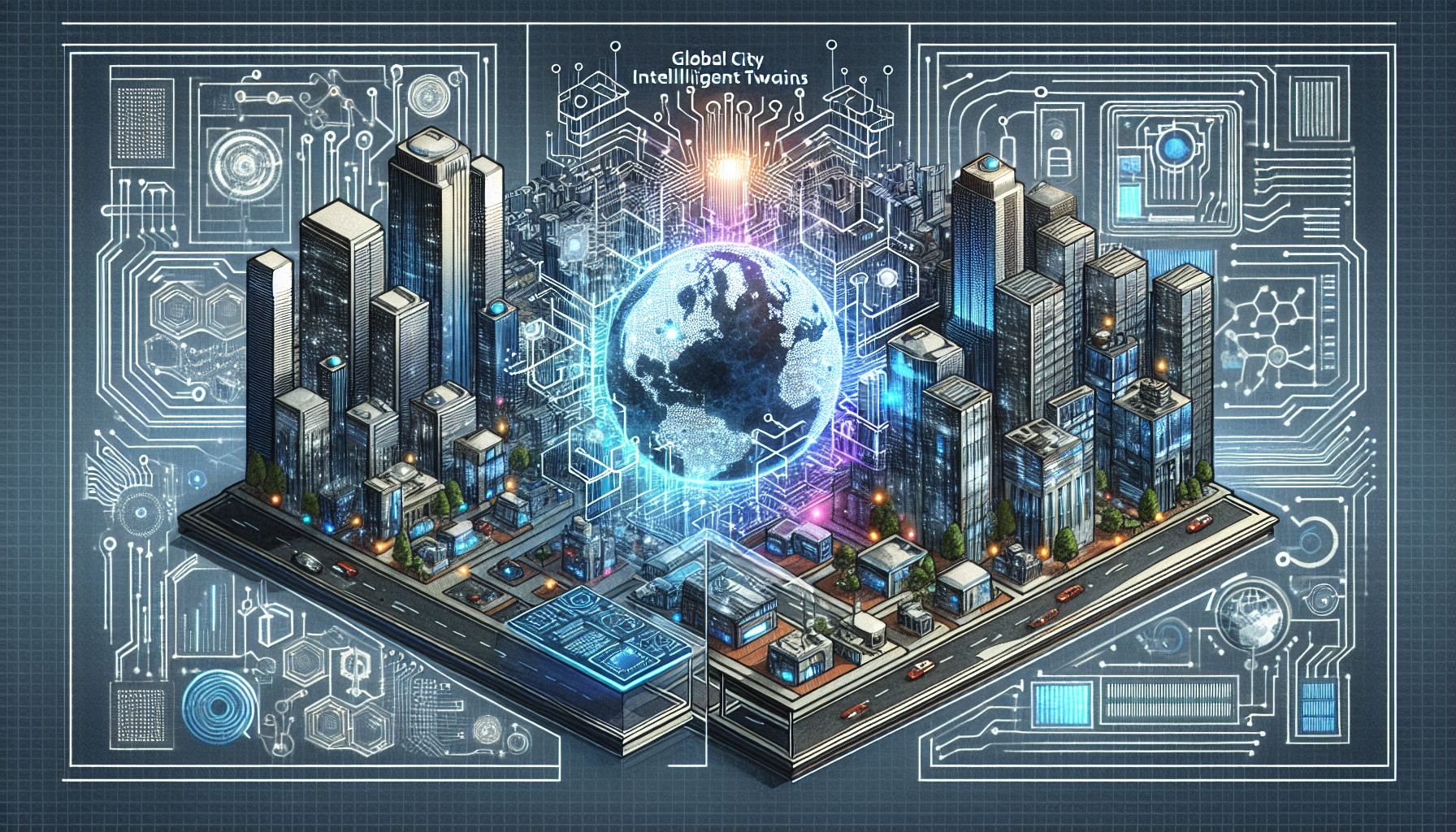
Huawei introduces a revolutionary architecture to accelerate smart city initiatives worldwide. The Global City Intelligent Twins aims to enhance urban efficiency and sustainability through advanced digital technologies, potentially reshaping city management and citizen experiences.
A New Era in Urban Digital Transformation
Huawei’s introduction of the Global City Intelligent Twins architecture marks a significant milestone in the ongoing evolution of smart city technologies. Unveiled at the GITEX Global 2024 event, this initiative is centered around three core components: city awareness, city networks, and city cloud. These elements are designed to create a seamless and integrated urban environment where data flows freely, enhancing the efficiency of city operations and improving the quality of life for citizens[1].
Comprehensive Solutions for Diverse Challenges
This ambitious project aims to address the multifaceted challenges that modern cities face by deploying solutions like the National One-Stop Public Services Solution and the National Smart City Solution, which have already been implemented in over 200 cities across more than 40 countries[1]. These solutions aim to streamline public services, making them more accessible and efficient, while also enhancing city governance through integrated data systems.
Global Impact and Partnerships
Huawei’s effort is not just limited to technological innovation; it also involves a collaborative approach with several partners such as Audaque, Linewell, and Bamboocloud, among others. These collaborations are crucial for realizing the full potential of the City Intelligent Twins architecture, as they bring together diverse expertise to solve complex urban issues[1]. According to Wang Bin, President of Huawei, China’s journey from informatization to intelligence in smart cities serves as a blueprint for other nations aiming to enhance intelligent efficiency[1].
Future Prospects and Challenges
While the promise of smarter, more efficient cities is alluring, the implementation of such advanced technologies also presents challenges. These include the need for robust data privacy frameworks and the potential for increased cyber threats. However, with strategic planning and international cooperation, these hurdles can be addressed, paving the way for a future where cities are not only smart but also safe and sustainable.