EU to Expand EV Charging Network by 2026
Brussels, Monday, 6 January 2025.
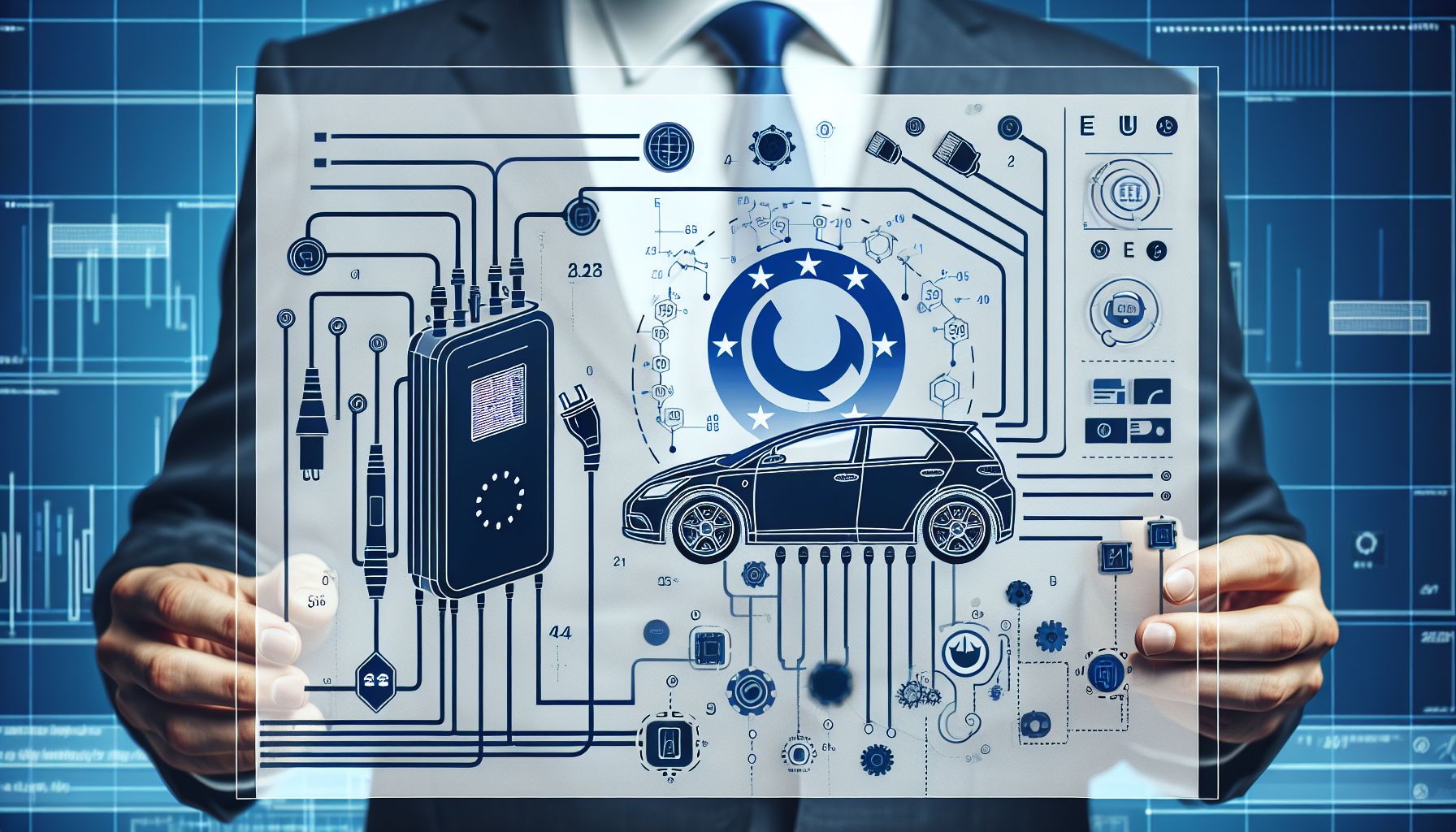
The EU plans to enhance its electric vehicle charging infrastructure by 2026, promoting standardization and sustainability to boost EV adoption and reduce range anxiety across Europe.
Comprehensive Infrastructure Goals
The European Union’s ambitious charging network expansion comes amid significant shifts in the automotive sector. Current EV adoption trends show battery electric vehicles comprising 15.5% of new registrations in 2023 [4], highlighting the growing demand for comprehensive charging solutions. The initiative aligns with the EU’s broader climate goals, which target a 90% reduction in transport-related greenhouse gas emissions by 2050 [4].
Market Impact and Current Challenges
The European automotive market has shown mixed signals, with recent data indicating a 1.9% decline in overall car registrations as of November 2024 [3]. Year-to-date battery-electric vehicle sales have experienced a 5.4% decrease [3], emphasizing the crucial timing of this infrastructure initiative. The expansion project aims to address these challenges by creating a more reliable and accessible charging network across member states.
Technical Standards and Innovation
The initiative builds upon recent EU standardization efforts, such as the mandatory USB-C charging standard implementation [1], demonstrating the EU’s commitment to unified technical solutions. The European Innovation Council has allocated significant resources to support deep tech development, with €1.4 billion dedicated to high-potential startups in 2025 [7], potentially benefiting charging infrastructure technologies.
Environmental and Economic Implications
This infrastructure expansion aligns with current EU emissions regulations, which target increasingly stringent CO2 standards: 93.6 g/km for 2025-2029 and 49.5 g/km for 2030-2034 [4]. The initiative is expected to accelerate the transition to zero-emission vehicles, supporting the EU’s comprehensive environmental goals while creating new economic opportunities in the sustainable transport sector [alert! ‘specific job creation numbers for charging infrastructure not provided in sources’].
Bronnen
- europa.eu
- commission.europa.eu
- www.acea.auto
- www.eea.europa.eu
- www.solarpowereurope.org
- transport.ec.europa.eu
- eic.ec.europa.eu
- rea.ec.europa.eu