Revolutionizing EV Charging: Dual-Input, Dual-Output Converter Unveiled
Austin, Thursday, 10 October 2024.
A groundbreaking dual-stage high-gain converter for electric vehicle charging has been developed, featuring dual inputs and outputs. This innovation promises to enhance charging efficiency and flexibility, potentially transforming the EV charging landscape. The new design addresses limitations of traditional single-input, single-output converters, offering a more versatile solution for the evolving needs of electric vehicle infrastructure.
Understanding the Dual-Stage High-Gain Converter
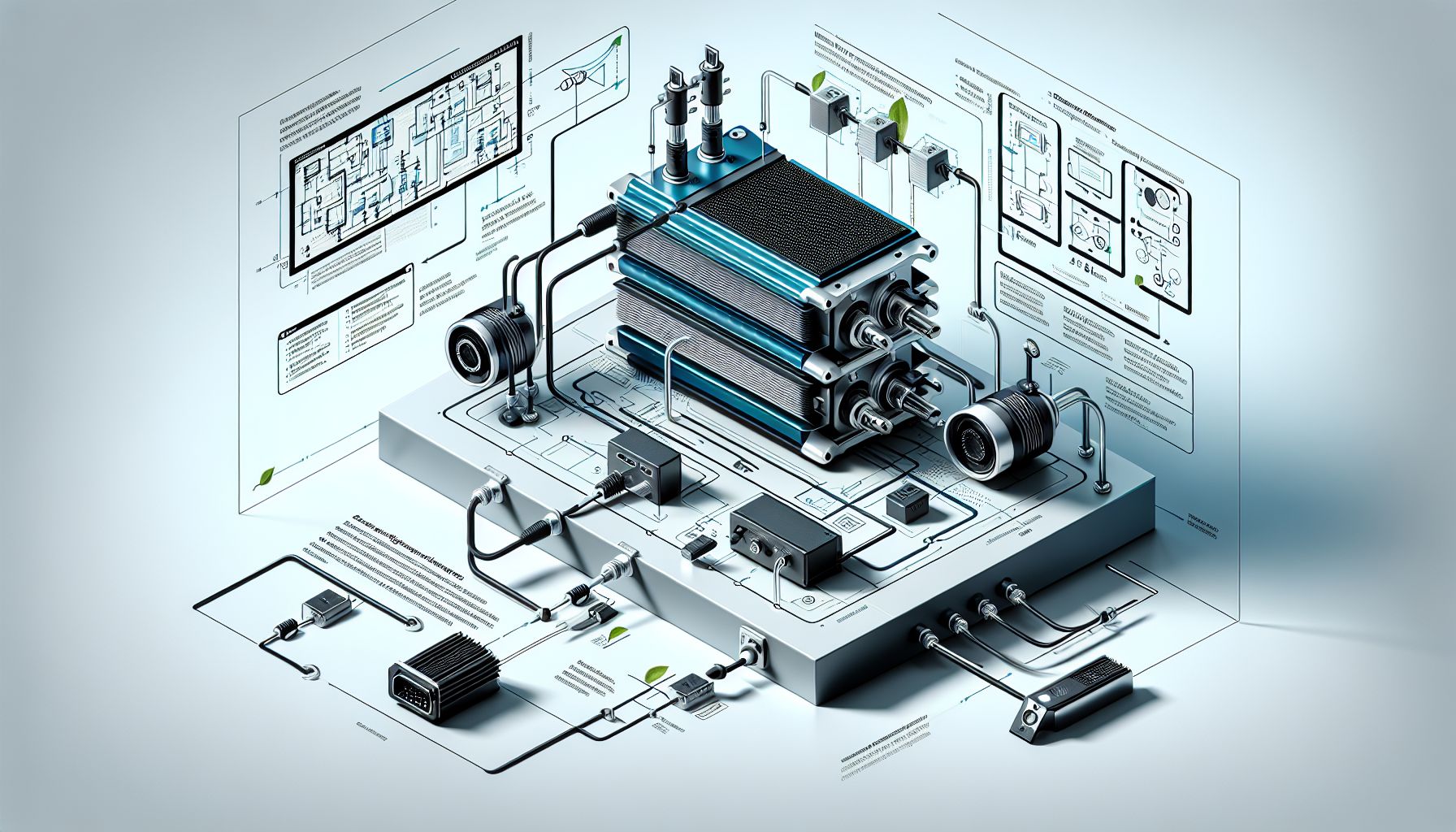
The dual-stage high-gain converter is a significant advance in the field of electric vehicle (EV) charging technology. Unlike conventional converters that rely on a single-input, single-output structure, this new design incorporates dual inputs and dual outputs, allowing for greater versatility and efficiency. This structure not only optimizes energy transfer but also accommodates varying energy sources and load conditions, making it an ideal solution for modern EV infrastructure[1].
Technical Specifications and Advantages
This innovative converter topology includes a combination of boost and voltage multiplier circuits, which are key to achieving high voltage gain. The use of coupled inductors in this design minimizes power dissipation and enhances the overall efficiency of the charging process. Additionally, the dual-input feature allows the converter to draw power from multiple sources, such as photovoltaic cells and battery storage systems, thus ensuring a constant and reliable energy supply[1].
Real-World Applications and Impact
The dual-stage high-gain converter’s flexibility makes it particularly beneficial for integrating renewable energy sources into EV charging stations. By supporting multiple input sources, it can seamlessly blend solar and grid power, reducing dependency on non-renewable energy. This capability not only enhances the sustainability of EV charging but also supports the broader goal of reducing carbon emissions from the transportation sector[1].
Future Prospects and Further Learning
As the EV market continues to expand, innovations like the dual-stage high-gain converter will be crucial in meeting growing energy demands. For those interested in exploring this field further, resources such as PowerElectronicTips and EDN offer in-depth analyses and FAQs on voltage and current sources, essential components in power electronics design[2][3]. These platforms provide valuable insights into the latest trends and technological advancements, making them excellent starting points for engineers and enthusiasts looking to delve deeper into power electronics[2][3].