Michigan State University Prepares Students for Semiconductor Careers
East Lansing, Wednesday, 2 July 2025.
MSU hosts ten students in a program designed to address Europe’s semiconductor industry demands, providing crucial skills and insights into technology.
MSU’s Strategic Semiconductor Education
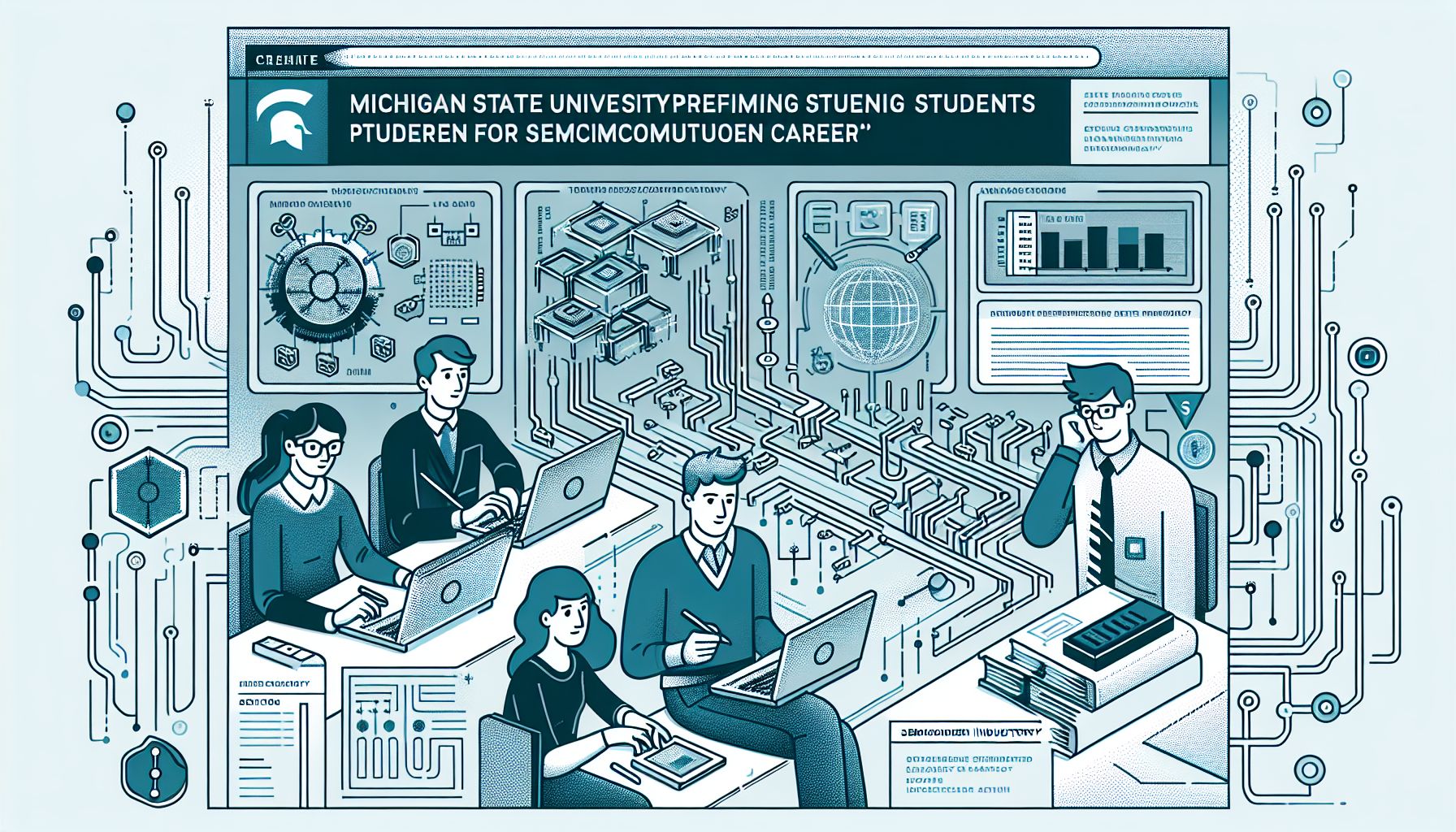
In the summer of 2025, Michigan State University (MSU) has initiated an intensive research experience program for ten undergraduate students aimed at fostering skills for the semiconductor industry. Sponsored by the National Science Foundation, this 10-week program started on May 19 and will culminate with presentations at MSU’s MidSURE Conference on July 25. The program is led by Alexandra Zevalkink and Rebecca Anthony, who ensure students receive mentorship across various engineering and scientific disciplines related to the semiconductor field [1].
Addressing Europe’s Semiconductor Needs
The primary focus of the program is to equip students with practical skills necessary to meet the growing demand for semiconductor technologies, essential for Europe’s electronics and technology sectors. This initiative aligns with broader global efforts, as seen in regions like India and Taiwan, where governments and organizations are heavily investing in semiconductor manufacturing capabilities [1][2].
Implications for Global Semiconductor Industry
As Europe, the United States, and India strive to enhance their semiconductor production, MSU’s efforts epitomize the strategic educational investments required to fill the industry’s skills gap. India’s burgeoning semiconductor projects, such as Micron’s SEZ in Gujarat, reflect a similar urgency for infrastructure and talent development, pointing to a global trend of reducing reliance on traditional hubs like Taiwan [2][3].
Conclusion and Future Outlook
With programs like MSU’s paving the way for skilled workforce development, the semiconductor industry is set to witness substantial growth. As the demands and technological advancements in the semiconductor sector continue to rise globally, particularly in Europe and Asia, educational institutions must play a pivotal role in preparing future specialists equipped to tackle industry challenges and drive innovation [1][3].