TU Delft Launches Flexible Master's in Computer and Embedded Systems Engineering
Delft, Netherlands, Wednesday, 27 November 2024.
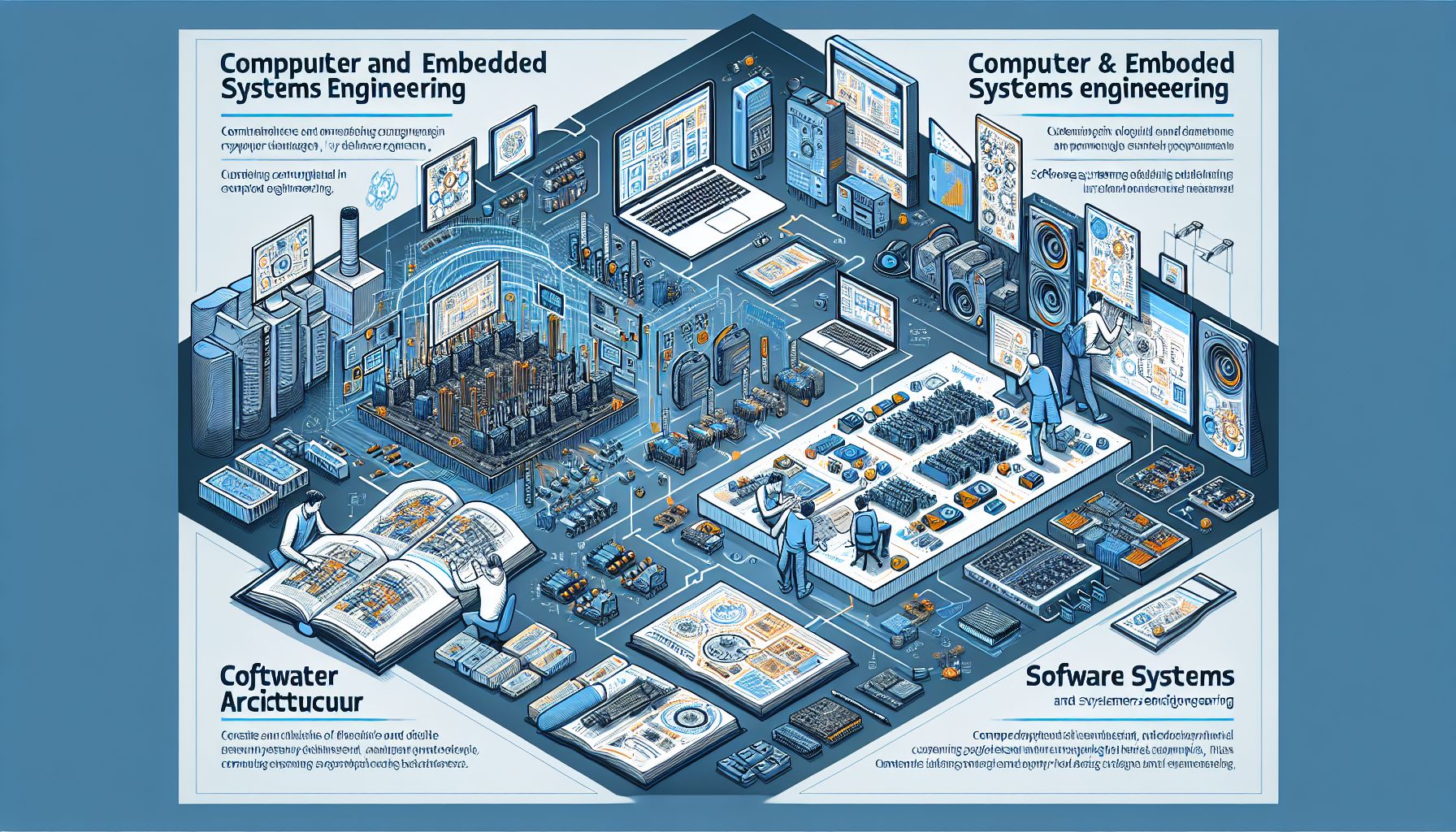
TU Delft’s innovative CESE program breaks traditional boundaries by allowing students to mix hardware and software specializations. Unlike rigid programs, students can customize their curriculum across Computer Architecture, Software Systems, and Systems Engineering tracks while maintaining core competencies. The program’s flexibility reflects industry demands for versatile engineers in 2024.
Understanding the CESE Program
The Computer and Embedded Systems Engineering (CESE) program at TU Delft offers a unique blend of courses that cater to both hardware and software enthusiasts. This master’s program is designed to equip students with the skills needed to excel in designing advanced systems, a critical requirement in today’s tech-driven world. It integrates a broad curriculum with specialization opportunities, allowing students to tailor their learning experience to fit their career goals.
Course Structure and Specializations
Students in the CESE program can choose from specializations such as Computer Architecture, Software Systems, and Systems Engineering. These tracks provide in-depth knowledge and skills in specific areas while maintaining a strong foundation in essential engineering principles. The program structure includes mandatory core courses that all students must complete, ensuring a comprehensive understanding of embedded systems and computer engineering. However, the elective courses offer flexibility, enabling students to mix and match from different specializations[1].
Real-World Applications and Industry Relevance
The flexibility of the CESE program aligns with the growing demand for engineers who can bridge hardware and software domains. This demand is evident in fields like IoT, autonomous systems, and next-generation communication technologies. TU Delft’s collaboration with industry leaders ensures that the curriculum remains relevant and updated with the latest technological trends. Students are encouraged to engage in projects that simulate real-world challenges, preparing them for diverse roles in the technology sector.
Further Learning and Career Opportunities
For those who wish to delve deeper into specific areas, TU Delft offers numerous resources and opportunities for further learning. Students can participate in research projects, internships, and workshops that provide hands-on experience and exposure to cutting-edge technologies. Additionally, the university’s strong ties with industry partners offer pathways to exciting career opportunities in both local and international markets. Prospective students are advised to explore the CESE program’s website and reach out to faculty for guidance on tailoring their educational journey[2].