Huawei's AI-Centric F5.5G Strategy Aims to Revolutionize Telecom Networks
Shenzhen, Monday, 4 November 2024.
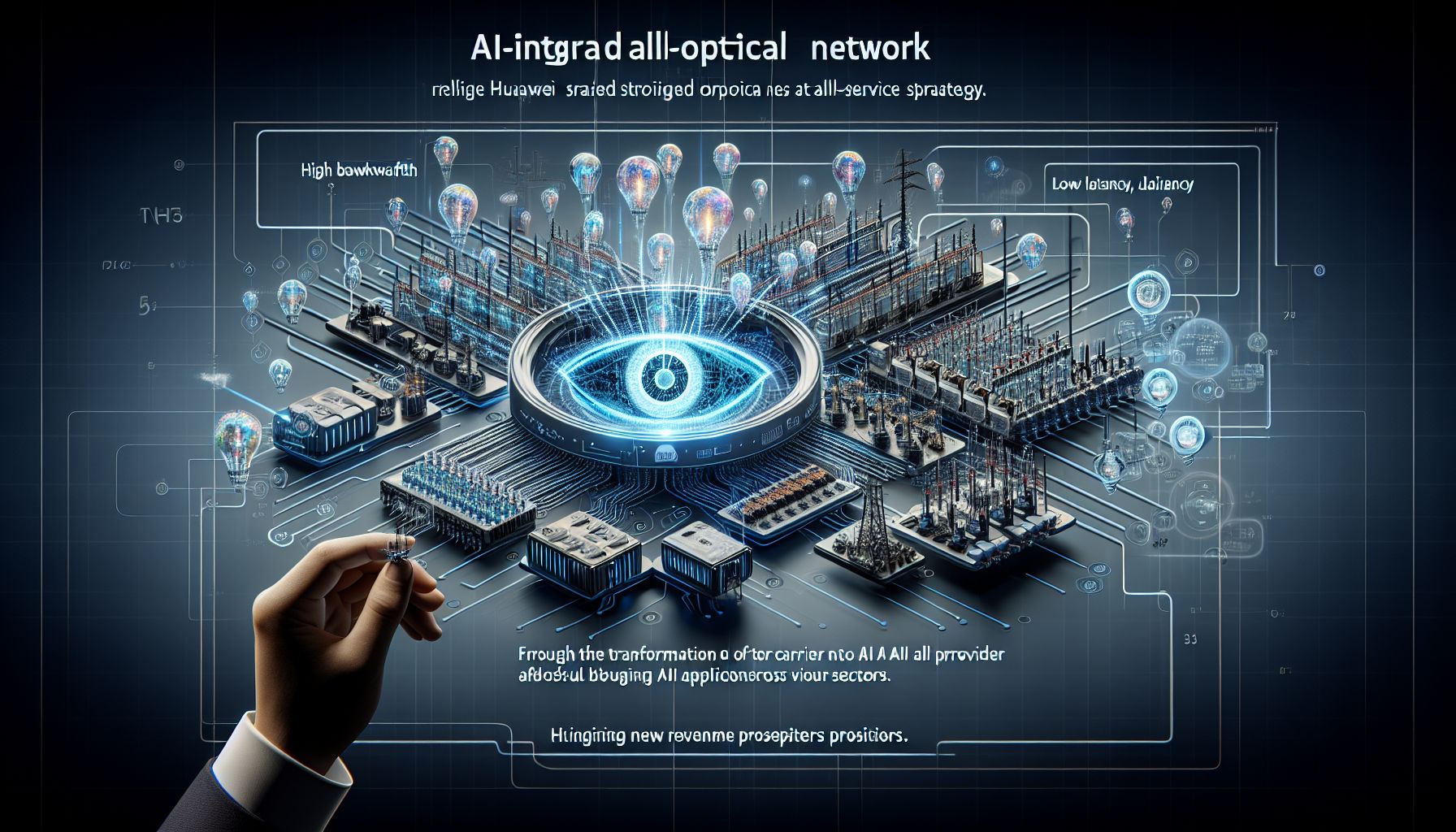
Huawei unveils an AI-integrated F5.5G all-optical network strategy at UBBF 2024, focusing on high bandwidth, low latency, and reliability. The plan aims to transform carriers into AI all-service providers, addressing the growing demands of AI applications across industries. Huawei’s innovations in optical transmission and access seek to enhance network performance and enable new revenue streams for telecom operators.
AI-Driven Network Transformation
Huawei’s recent announcement at the Ultra-Broadband Forum 2024 (UBBF 2024) in Istanbul highlights a pivotal shift in the telecommunications landscape. By integrating artificial intelligence (AI) with their F5.5G all-optical networks, Huawei aims to address the burgeoning demands for high bandwidth, ultra-low latency, and unparalleled reliability in network performance. The strategy is part of a broader vision to transform traditional carriers into comprehensive AI all-service providers, a move that could redefine the industry’s operational and business models[1][2].
Innovations in Optical Transmission
Central to Huawei’s strategy is its cutting-edge optical transmission technology, which enhances both data center efficiency and metro edge scalability. This technology supports the scale of AI computing from thousands to potentially millions of cards, significantly reducing failure rates by approximately 20% compared to conventional solutions[1][6]. The introduction of optical switching technology is particularly noteworthy for its capacity to achieve latency as low as 1 millisecond, a critical feature for real-time AI applications[5].
Broadband Monetization and Fiber Expansion
Huawei’s approach to monetization includes three core strategies: coverage, bandwidth, and experience monetization. With 28% of global users lacking fiber connections, Huawei’s QuickConnect ODN and AirPON solutions aim to bridge this gap, accelerating the expansion of fiber access[4][5]. The company also emphasizes the importance of upgrading broadband packages from mere megabits per second (Mbps) to gigabit-level services, thereby enhancing user experience and driving subscriber growth[4].
Implications for the Telecom Industry
The shift towards an AI-centric network infrastructure has far-reaching implications for the telecommunications industry. By leveraging AI to enhance network operations and customer experiences, carriers can unlock new revenue streams and improve service delivery efficiency. This transformation not only supports the rapid proliferation of AI-driven applications but also positions telecom operators as key enablers of digital intelligence services across various sectors[2][3]. As Bob Chen, President of Huawei’s Optical Business Product Line, stated, the next decade will likely witness a fast popularization of AI, driven by robust infrastructure networks that meet the demands of intelligent applications[5].