University of Michigan Launches New Electronics Program
Ann Arbor, Friday, 6 December 2024.
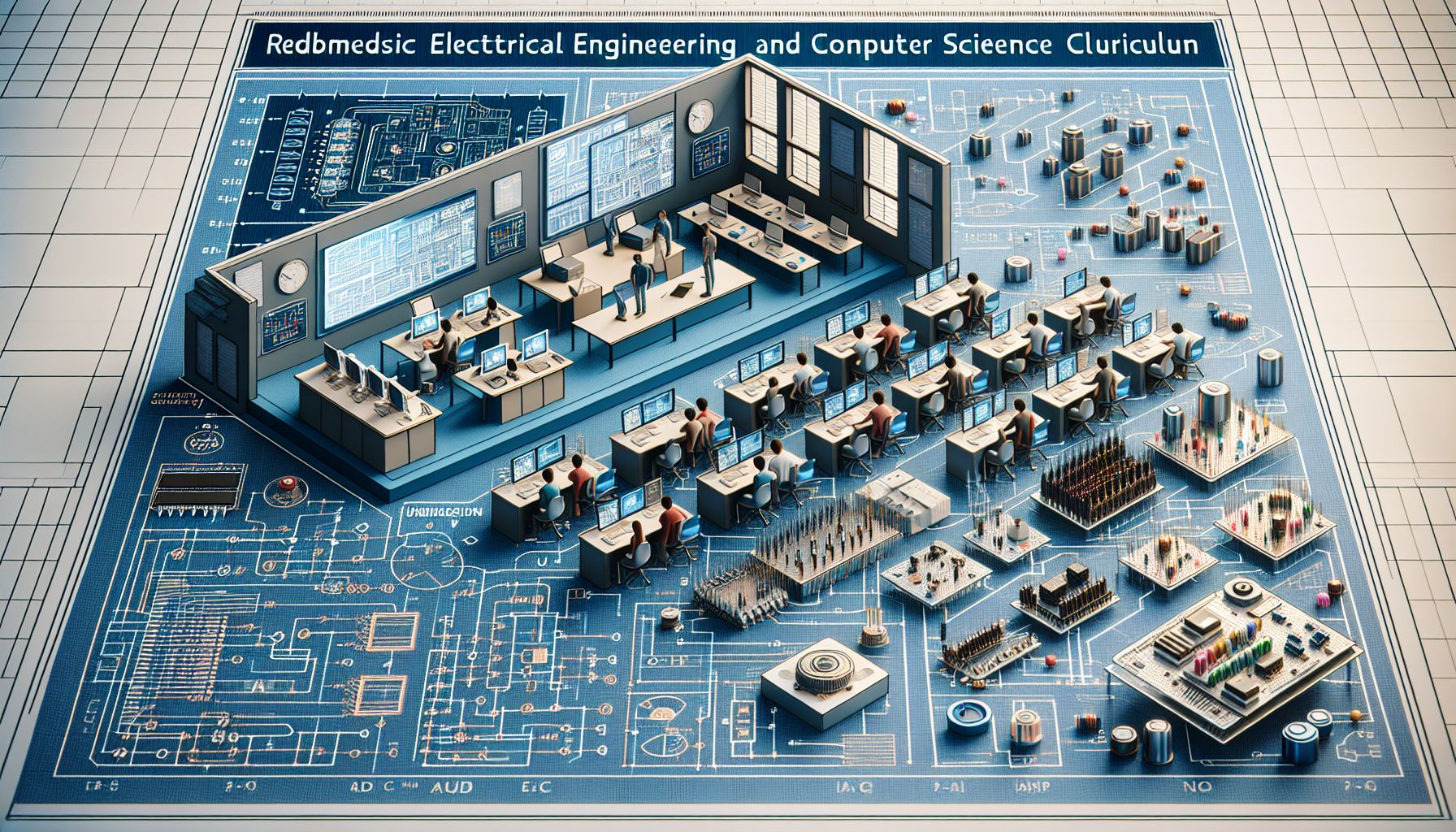
The University of Michigan’s new interdisciplinary program aims to advance electronics studies by equipping students with innovative skills through a revamped Electrical Engineering and Computer Science curriculum.
Program Overview and Rankings
The University of Michigan’s Electrical Engineering and Computer Science (EECS) Department, consistently ranked among the nation’s leading programs [1], is enhancing its curriculum through an innovative interdisciplinary approach. The department, which receives more than $75 million in annual research funding [1], operates through two distinct divisions: Computer Science and Engineering (CSE) and Electrical and Computer Engineering (ECE), both maintaining top-10 rankings nationally [1].
Innovative Research and Technology Focus
The program’s emphasis on cutting-edge technology is exemplified through groundbreaking projects, including the development of the World’s Smallest Computer, which has already demonstrated practical applications in ecological research [1]. Students will benefit from hands-on experience in state-of-the-art facilities, working alongside faculty members who are actively revolutionizing technologies in healthcare, environmental sustainability, and transportation [1].
Industry-Academic Partnership
A key component of the program involves strengthening ties between academia and industry. Under the guidance of newly appointed faculty members, including Associate Professor Thomas McKenney, who brings extensive industry experience [4], students will engage in real-world applications of their studies. The program emphasizes practical experience through research opportunities, maintaining a favorable 6:1 undergraduate-to-faculty ratio [2] to ensure personalized mentorship.
Future Opportunities and Career Pathways
The program is strategically positioned to prepare students for emerging fields, particularly in sustainable technology and robotics engineering. With new faculty positions being added [5] and research funding exceeding $31.6 million in 2023 [2], students will have access to diverse opportunities in areas such as robotics, human-robot interaction, and advanced electronic systems development. The department’s commitment to innovation is further demonstrated through its involvement in cutting-edge research projects and industry collaborations [1].