Wireless Technology Boosts Electric Vehicle Charging Efficiency in Europe
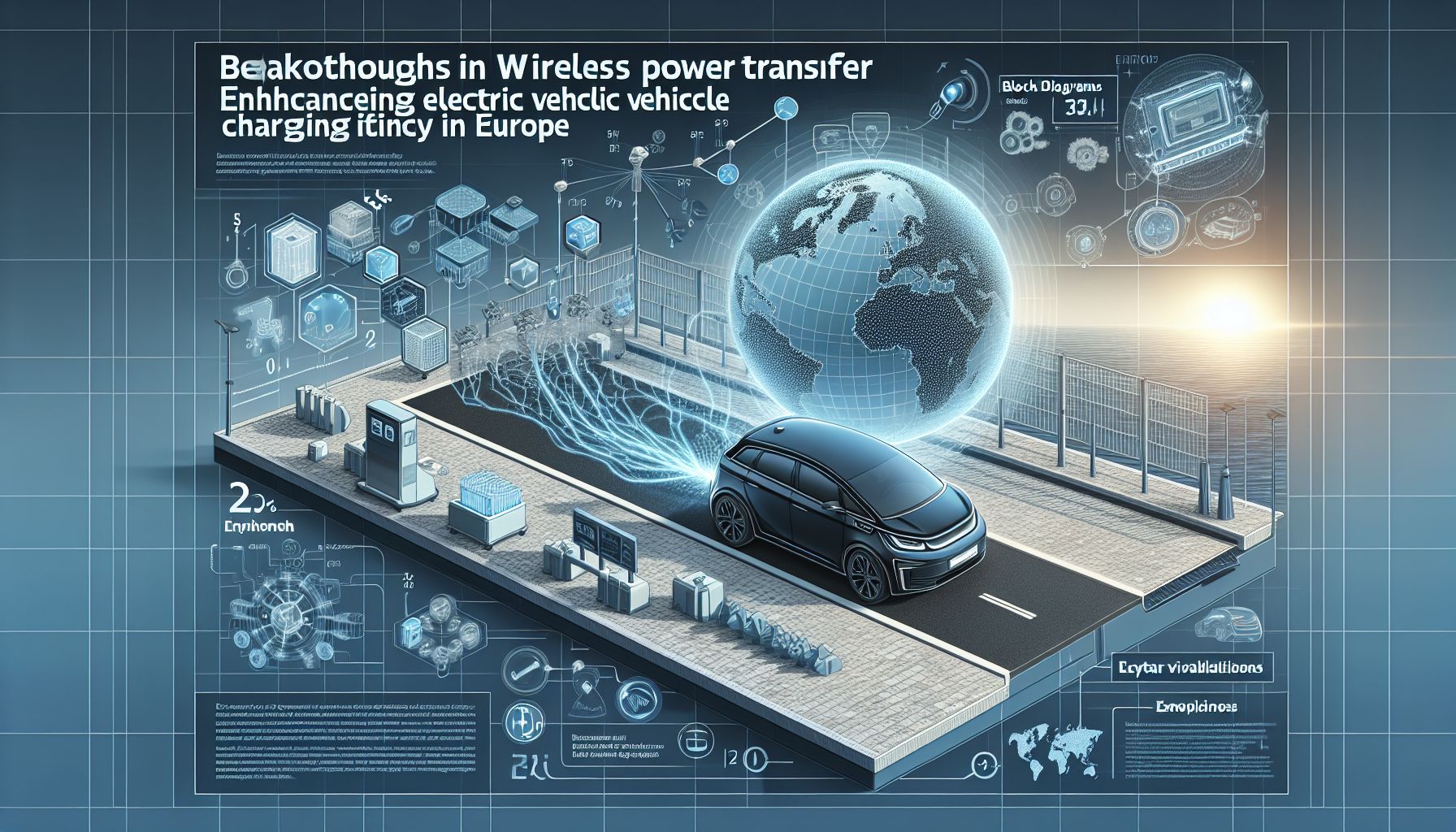
Berlin, Wednesday, 30 July 2025.
Recent advances in wireless power transfer have made EV charging faster and more convenient, enhancing eco-friendly transport options and streamlining the charging process across Europe.
Innovative Charging Methods Transform EV Infrastructure
Wireless technology is rapidly reshaping the realm of electric vehicle (EV) charging infrastructure in Europe. Recent implementations such as the pilot program in Gothenburg, Sweden, are showcasing the potential benefits. In this program, electric taxis equipped with Volvo’s XC40 Recharge utilize InductEV’s wireless charging systems to charge at 40 kW. This speed is drastically faster than traditional wired stations, most of which operate at 11 kW, highlighting the efficiency gains of wireless systems [1].
Technical Specifications and Current Challenges
Wireless Power Transfer (WPT) technologies, including both static and dynamic configurations, are pivotal in advancing EV charging capabilities. Static charging relies on positioning vehicles over a charging pad, while dynamic systems enable charging on the move, reducing battery size needs but requiring higher initial investments. Despite their promise, WPT systems face technical challenges, particularly those associated with air gap issues affecting the efficiency of power transfer between transmitter and receiver coils [2][3].
European Standards and Health Considerations
The deployment of these advanced systems is guided by European standards that ensure safety and efficacy. A significant concern with WPT technology is electromagnetic field exposure, which European regulations strictly monitor to prevent adverse health effects. The integration of AI and adaptive modulation is being explored to enhance efficiency and ensure compliance with these rigorous standards [5].
Market Implications and Future Outlook
The market implications of widespread adoption of WPT in Europe are profound. As infrastructure develops, reduced reliance on large battery capacities is expected, potentially lowering vehicle costs. Moreover, the convenience and increased charging speeds are likely to encourage broader adoption of electric vehicles. While initial setup costs are higher, the long-term benefits in terms of environmental impact and reduction in fossil fuel reliance provide compelling reasons for investment in wireless systems [4][6].
sources
- www.inductev.com
- link.springer.com
- en.wikipedia.org
- www.nature.com
- link.springer.com
- www.infineon.com