5G Wireless Revolution Enhances European Connectivity
Brussels, Sunday, 13 July 2025.
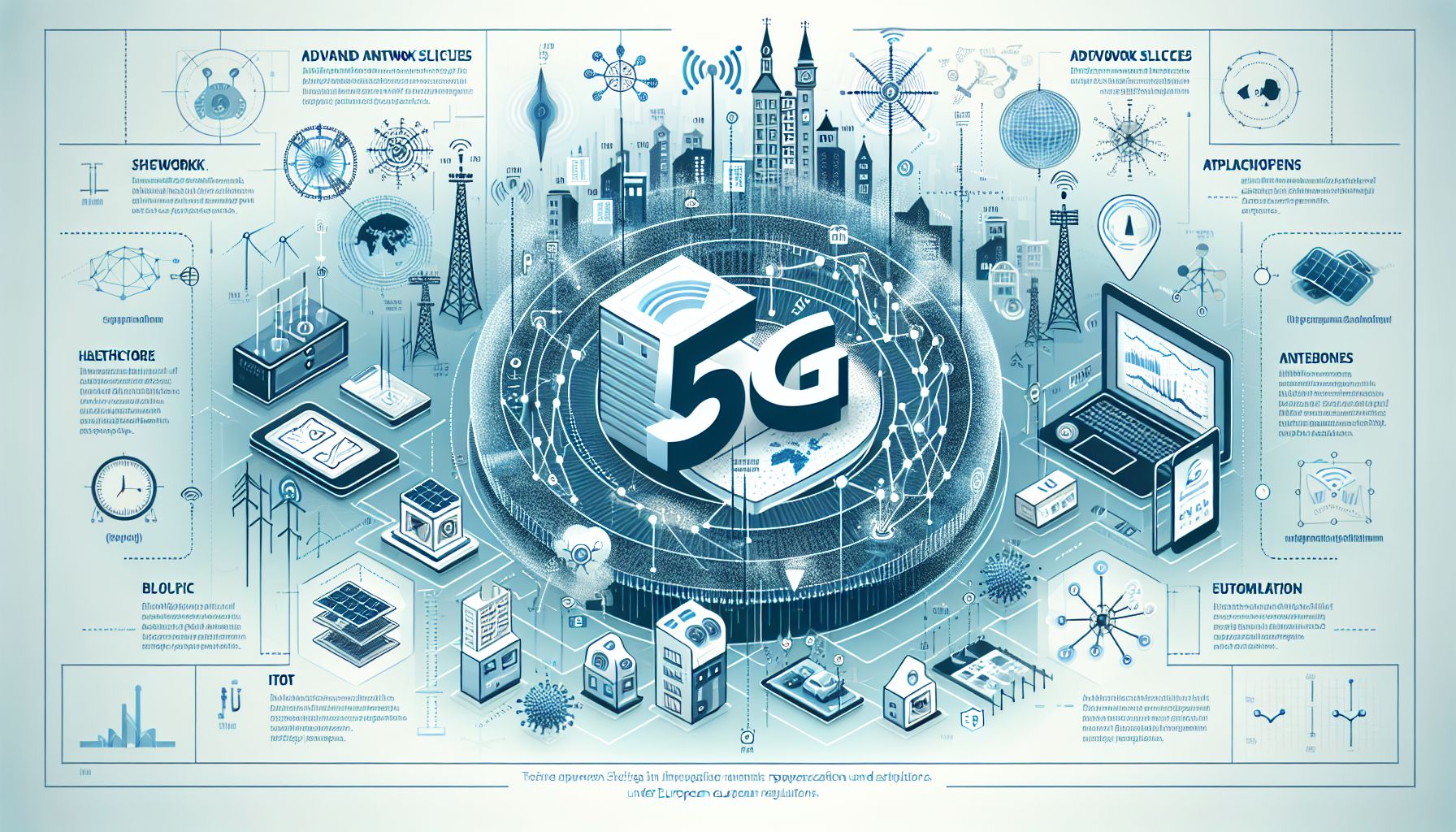
The introduction of 5G technology is significantly transforming communication networks across Europe. With features like network slicing and advanced antennas, it boosts innovations particularly in IoT, supporting sectors such as healthcare and automotive under European regulations.
The Rise of 5G Technology in Europe
The introduction of 5G wireless technology is reshaping communication networks across Europe. Known as the fifth generation of mobile networks, 5G represents a significant evolution from 4G LTE, offering unprecedented speeds and connectivity [1]. This transition supports a vast growth in data and connectivity demand, underpinning the rising Internet of Things (IoT) trend and enabling nearly global connectivity [1].
Technical Features: Network Slicing and Antennas
5G technology incorporates advanced features such as network slicing and sophisticated antenna technology, which allow network operators to create various virtual networks on a single physical infrastructure. This innovation means more data can be transmitted more efficiently over wireless systems [1][3]. The system typically involves a Radio Access Network comprising small cells and macro cells, crucial for supporting expansive data transmission [1].
Economic Impact and Regulatory Considerations
Economically, 5G is poised to have a transformative effect, projected to generate $12.3 trillion worth of goods and services by 2035, with a revenue generation prospect of $3.5 trillion and direct job support for 22 million positions [1][4]. As these developments occur, aligning with European regulations remains imperative to ensure all innovations comply with established standards [4].
5G Applications Across Diverse Sectors
In healthcare, 5G facilitates remote surgeries and real-time health monitoring; in the automotive industry, it paves the way for self-driving vehicles and smarter traffic management systems [2][5]. The technology’s ability to connect millions of devices simultaneously supports myriad applications across sectors from smart cities to entertainment, transforming how infrastructure and services are provided [5].