Penn Engineering Pioneers Sustainable Tech Solutions
Philadelphia, Thursday, 17 October 2024.
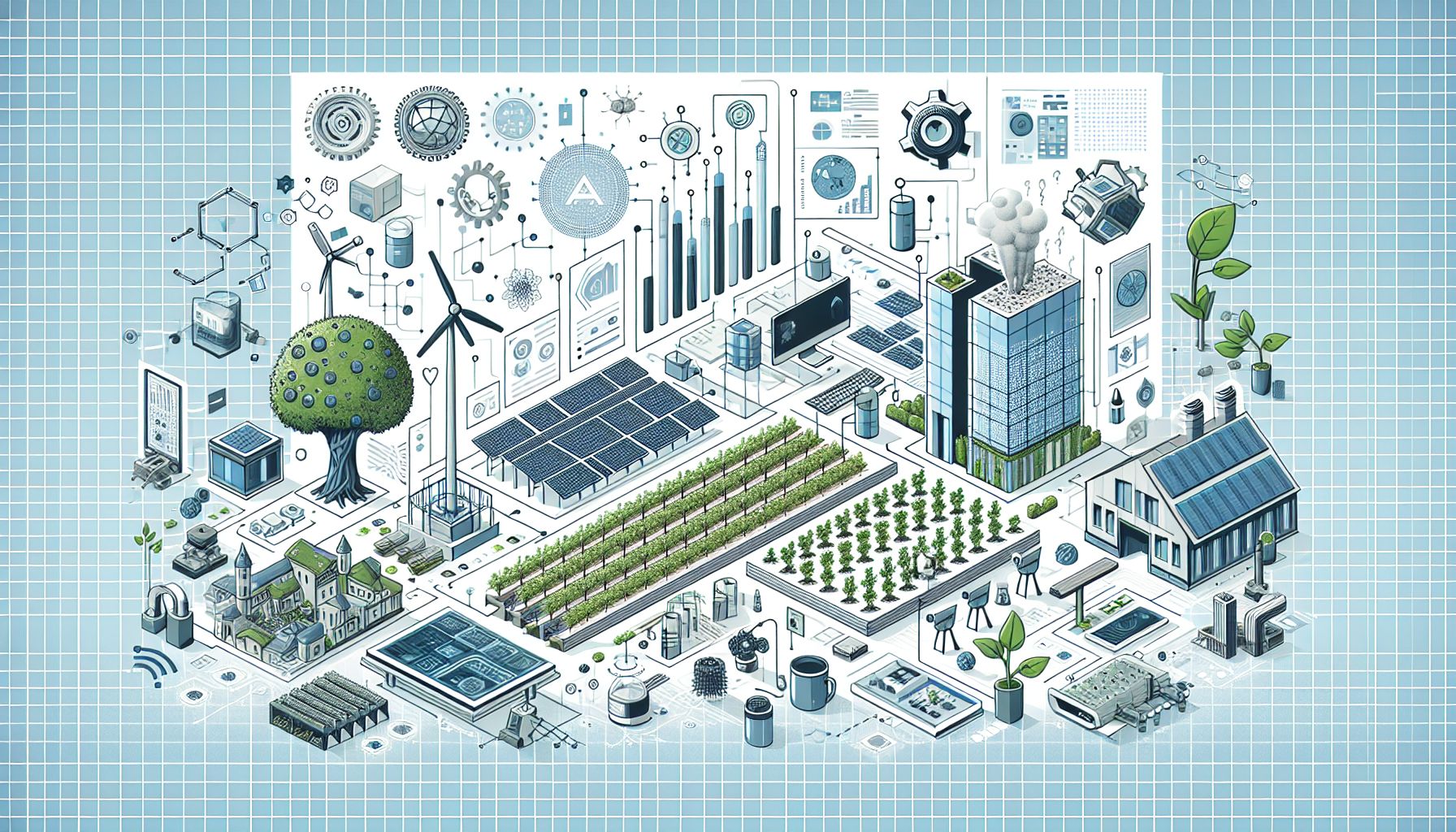
The University of Pennsylvania’s School of Engineering is leading innovative initiatives in sustainable technology. From a new mass timber AI center to smart agricultural systems, Penn is addressing climate change and societal needs through cutting-edge research and development.
Innovative Infrastructure: Amy Gutmann Hall
A significant milestone in Penn Engineering’s sustainable technology journey is the dedication of Amy Gutmann Hall, a new 116,000-square-foot center for data science and artificial intelligence. Dedicated on September 30, 2024, this facility is not only the tallest mass timber structure in Philadelphia but also embodies a commitment to reducing carbon footprints through sustainable building practices. As a hub for interdisciplinary collaboration, Amy Gutmann Hall will unite experts from engineering, social sciences, and medicine when it opens in January 2025, fostering an environment where innovative solutions to climate change can be developed and implemented[1][2].
IoT4Ag Center: Revolutionizing Agriculture
The IoT4Ag Center at Penn Engineering is another testament to the university’s dedication to sustainable solutions. Now in its fifth year, the center focuses on affordable technological innovations for agriculture, including the Solar-Powered Remote IoT4Ag Network Gateway (SPRING). This initiative aims to enhance data collection capabilities across farms, providing low-power, long-range solutions that are crucial for modern agricultural practices. Led by Cherie Kagan, the center addresses the grand societal needs of food, energy, agriculture, and water conservation, positioning Penn at the forefront of sustainable agricultural technology[3].
Traffic Management and Urban Sustainability
Penn Engineering’s commitment to sustainability extends to urban environments through innovative traffic management solutions. Nandan Tumu, a doctoral student in Electrical and Systems Engineering, under the guidance of Professor Rahul Mangharam, is pioneering efforts in urban traffic management. These initiatives aim to mitigate climate change impacts by optimizing traffic flow and reducing emissions, thereby contributing to more sustainable urban living. Such projects underscore Penn’s role in creating smart, environmentally conscious cities[1].
Educational Advancements and Global Collaboration
Penn Engineering continues to lead in educational innovation, offering specialized master’s and doctoral programs in high-demand fields like robotics, nanotechnology, machine learning, and data science. These programs emphasize hands-on learning in state-of-the-art labs, preparing students to tackle real-world challenges. Furthermore, Penn’s partnership with Plaksha University in India highlights its commitment to global educational advancement and student exchange, fostering a diverse and inclusive academic community[2][4].