Intel Xeon-Powered VPX3-1260: Advancing Military Computing
United States, Wednesday, 16 October 2024.
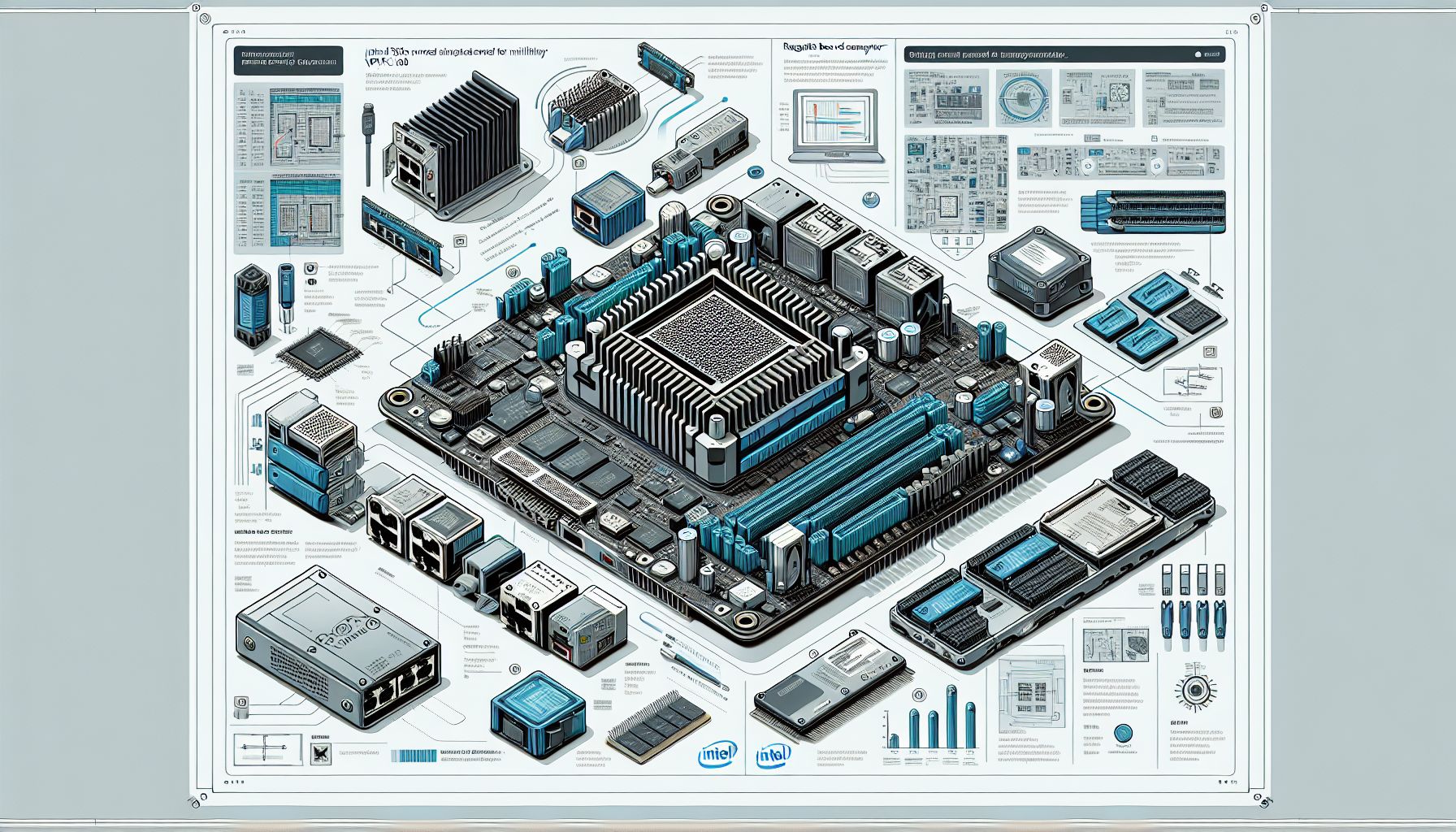
Curtiss-Wright’s VPX3-1260 single board computer, featuring the latest rugged Intel Xeon processor, offers a significant leap in performance for military applications. This SOSA-aligned device boasts enhanced processing power, 10G and 40G Ethernet connectivity, and advanced security features, setting a new standard in embedded computing for defense systems.
Unveiling the VPX3-1260’s Capabilities
The VPX3-1260 is a 3U VPX single board computer designed for high-performance embedded computing (HPEC) and a variety of C4ISR applications, which include command, control, communications, computers, intelligence, surveillance, and reconnaissance. It is developed in alignment with the Sensor Open Systems Architecture (SOSA) Technical Standard, a framework that promotes interoperability and upgradability in military systems. This alignment ensures that the VPX3-1260 meets the rigorous demands of modern defense environments, allowing for flexible integration into various systems[1].
Cutting-Edge Features and Performance
At the heart of the VPX3-1260 is the latest rugged Intel Xeon processor, which delivers substantial improvements over previous Core i7 and Xeon processors. This advancement not only enhances general processing capabilities but also supports high-speed data transfer through its 10G and 40G Ethernet connectivity. This connectivity is crucial for applications requiring rapid communication and data processing, making the VPX3-1260 a prime choice for network-intensive tasks. Furthermore, the integration of NVMe SSD storage provides a 3-5x improvement in performance and up to 16x capacity over traditional SATA SSDs, offering significant boosts in speed and storage capacity[2].
Security and Longevity: Trusted Computing Features
Security is a paramount concern in military applications, and the VPX3-1260 addresses this with Intel’s Trusted Computing features such as Boot Guard and UEFI Secure Boot. These features, along with Intel Software Guard Extensions (SGX), provide robust protection against both physical and remote threats, ensuring the integrity and confidentiality of critical operations. Additionally, the VPX3-1260’s processor is backed by Intel’s typical 15-year lifetime availability, and Curtiss-Wright supports the board with over 10 years of availability and Total LifeCycle Management services, ensuring long-term reliability and support[1].
Comparative Analysis: VPX3-1260 vs. Competitors
When compared to similar products, such as the Abaco Systems SBC3901 and the Acromag VPX7600, the VPX3-1260 stands out for its combination of high-speed Ethernet options and advanced security features. While the SBC3901 emphasizes AI capabilities with NVIDIA Jetson AGX Orin for applications like sensor fusion and robotics, the VPX3-1260 excels in network-based applications requiring extensive data handling and processing. On the other hand, the Acromag VPX7600 provides 100 Gigabit Ethernet support and conduction cooling, making it ideal for extreme environmental conditions. Each of these products offers unique benefits, and the choice between them may depend on specific application requirements, such as the need for AI processing or extreme environmental resilience[3][4][5].
Use Cases and Recommendations
The VPX3-1260 is particularly suited for military platforms where high-speed data processing and secure communication are critical. It is ideal for applications such as real-time surveillance, secure data transmission, and command and control systems. For users needing robust security and long-term support, especially in environments where data integrity is critical, the VPX3-1260 is a recommended choice. However, for applications requiring intensive AI processing or operations in extremely harsh environments, alternatives like the Abaco SBC3901 or Acromag VPX7600 may be more suitable.
Bronnen
- www.curtisswrightds.com
- militaryembedded.com
- militaryembedded.com
- www.defenseadvancement.com
- www.militaryaerospace.com