New Health Surveillance System Revolutionizes Care for Paralyzed Patients
London, Monday, 11 August 2025.
A real-time health system uses IoT and sensors to improve paralytics’ health outcomes, with metrics like cardiac activity and movement, promising enhanced rehabilitation and personalized care.
Introduction to the Monitoring System
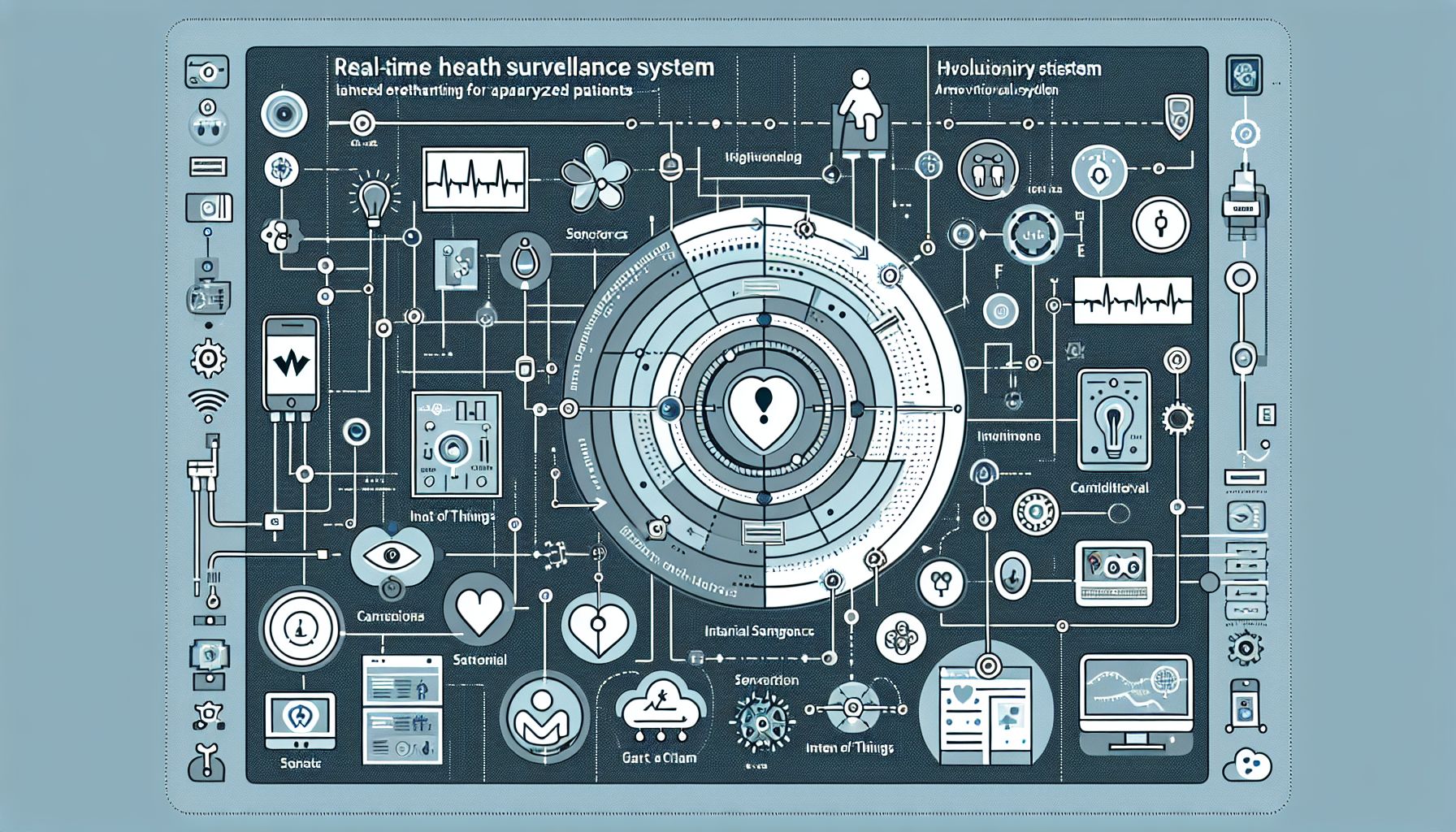
The newly developed real-time health surveillance system is a technological advancement aimed at enhancing the quality of life for paralyzed patients. By integrating Internet of Things (IoT) technologies and intelligent sensors, this system enables the continuous monitoring of vital health metrics such as cardiac activity, movement, and body temperature, ensuring prompt medical responses and personalized treatment plans [1][2][3].
Technical Specifications and Integration
The system architecture includes a variety of smart sensors such as flex sensors for movement tracking and the AD8232 ECG module for cardiac monitoring, all connected via an ESP8266 Wi-Fi module enabling wireless data transmission [1][4]. These sensors are integrated into a Node-RED dashboard which offers real-time visualization and alerts through instant messaging systems [1]. The system’s design allows for seamless communication among devices, healthcare providers, and the patients themselves, enhancing data reliability and accessibility.
Real-World Applications
In healthcare settings, the application of IoT-based monitoring systems significantly impacts patient rehabilitation. By using data collected from smart sensors, medical professionals can detect patterns and predict health outcomes, allowing for interventions tailored to individual patient needs [1][4]. Parallel systems used for home automation illustrate the effectiveness of smart sensors in providing a responsive and connected environment, although healthcare applications demand stricter compliance with safety and reliability standards [2][5].
Future Prospects and Challenges
While the technology holds vast potential, its deployment faces challenges such as data privacy concerns and the complexity of integrating multiple sensor data streams into coherent, actionable insights. Standards like IEEE 1451 and compliance with healthcare-specific regulations are crucial to addressing these hurdles [3][5][6]. Future developments in smart sensor technology, driven by healthcare and smart city initiatives, are expected to drive further innovations and expand the scope of real-time patient monitoring [3][5].
sources
- ieeexplore.ieee.org
- www.techtarget.com
- www.embs.org
- moeshouse.com
- www.contrinex.com
- www.ieee-csr.org