Arduino Unveils UNO SPE Shield: A Leap in Connectivity for Electronics Projects
Turin, Tuesday, 12 November 2024.
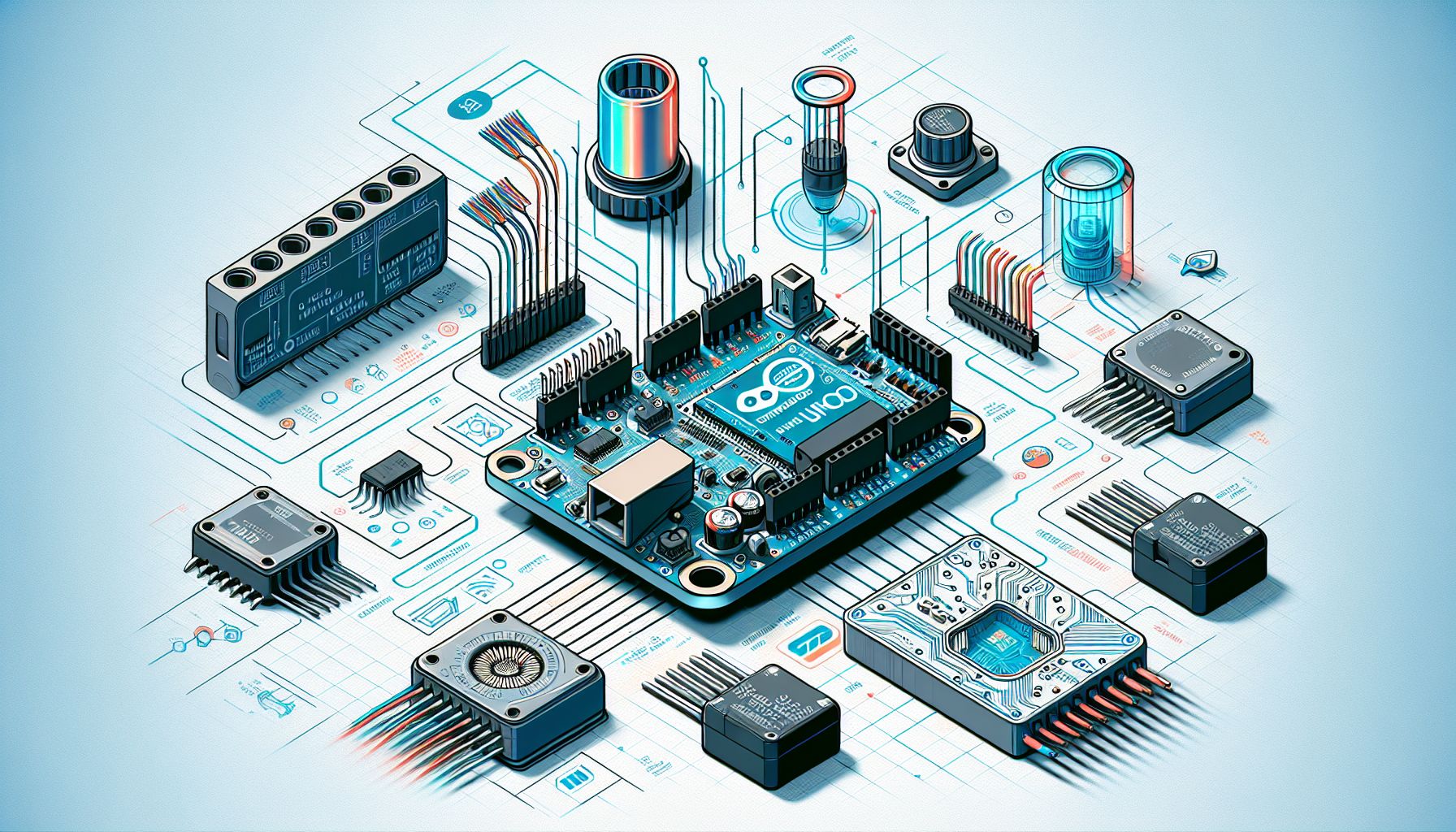
Arduino’s new UNO SPE Shield, developed with Microchip, brings Single-Pair Ethernet and RS485 to the UNO R4 family. This innovation promises faster data transfer, reduced wiring complexity, and enhanced connectivity for IoT and industrial applications.
Understanding the UNO SPE Shield
The Arduino UNO SPE Shield is positioned as a transformative tool for both hobbyists and industry professionals. Leveraging the capabilities of Single-Pair Ethernet (SPE), this shield significantly enhances data transfer rates while minimizing wiring needs. By integrating SPE, users can achieve Power over Data Line (PoDL), a feature that allows both power and data to traverse a singular wire pair. This advancement is particularly beneficial in the Internet of Things (IoT) and Industrial Internet of Things (IIoT) landscapes, where efficiency and streamlined operations are paramount. The shield’s compatibility with the Arduino UNO R4 ensures a seamless plug-and-play experience, especially for those familiar with Arduino’s ecosystem.
Key Features and Performance
The collaboration between Arduino and Microchip has resulted in the inclusion of RS485 connectivity, which serves as an ideal solution for upgrading legacy systems. RS485 is well-suited for longer-range communications, making it a versatile option for industrial applications. The SPE Shield’s heart, the LAN8651B1T-E/LMX SPE MAC-PHY chip, is a testament to the advanced engineering behind this product. It not only accelerates data transfer but also supports the integration of modern technologies into existing setups. This makes the SPE Shield a potent tool for retrofitting older equipment, thereby reducing costs and enhancing infrastructure capabilities[1][2].
Pros and Cons
The UNO SPE Shield offers several notable advantages. Its high-speed data transfer and reduced wiring complexity are crucial for modern electronic projects. Furthermore, the ability to power devices via data lines is an innovative feature that could potentially lower installation costs and simplify maintenance. However, the shield’s reliance on the newer Arduino UNO R4 models might limit its appeal to users with older hardware. Additionally, while the SPE standard is a game-changer, its adoption across various sectors might require time and resources, potentially delaying widespread implementation[1][2].
Comparisons and Use Cases
In comparison to other connectivity shields available in the market, the Arduino UNO SPE Shield stands out due to its unique combination of SPE and RS485 capabilities. Other shields may offer similar functionalities, but the integration of PoDL is relatively unique. This makes it particularly useful for applications in smart factories, energy monitoring, and automotive systems, where robust and efficient communication solutions are essential. For DIY enthusiasts and industrial engineers alike, the SPE Shield facilitates rapid prototyping and deployment of complex systems. For those dealing with smart-grid monitoring or factory automation, this shield presents an opportunity to enhance efficiency without overhauling existing infrastructures[1][2].
Conclusion and Recommendations
The Arduino UNO SPE Shield is a forward-thinking addition to the world of electronics. Its design and functionality cater to a wide array of users, from hobbyists looking to explore advanced connectivity options to industry professionals aiming to modernize their operations. While the shield is currently compatible only with the Arduino UNO R4, its features make it a worthwhile investment for those looking to stay ahead in the rapidly evolving field of electronics. Users interested in leveraging the capabilities of the SPE Shield can sign up for the waiting list to be notified of its availability[1][2].