Urgent Need to Overcome Recycling Challenges for Transparent Conductive Oxides in Europe
Brussels, Thursday, 21 August 2025.
Transparent conductive oxides (TCOs) are crucial for semiconductors but face supply chain challenges in Europe. Effective recycling methods are needed for sustainability and circular economy advancement.
The Role of Transparent Conductive Oxides in the Semiconductor Industry
Transparent conductive oxides (TCOs) such as indium tin oxide (ITO) are integral to the semiconductor industry, facilitating numerous applications from display screens to photovoltaic cells. In Europe, the market faces challenges due to its heavy reliance on East Asian sources for indium, a critical component in TCOs [1]. This dependency not only jeopardizes supply chain stability but also poses sustainability challenges.
Supply Chain Vulnerabilities and Recycling Complexities
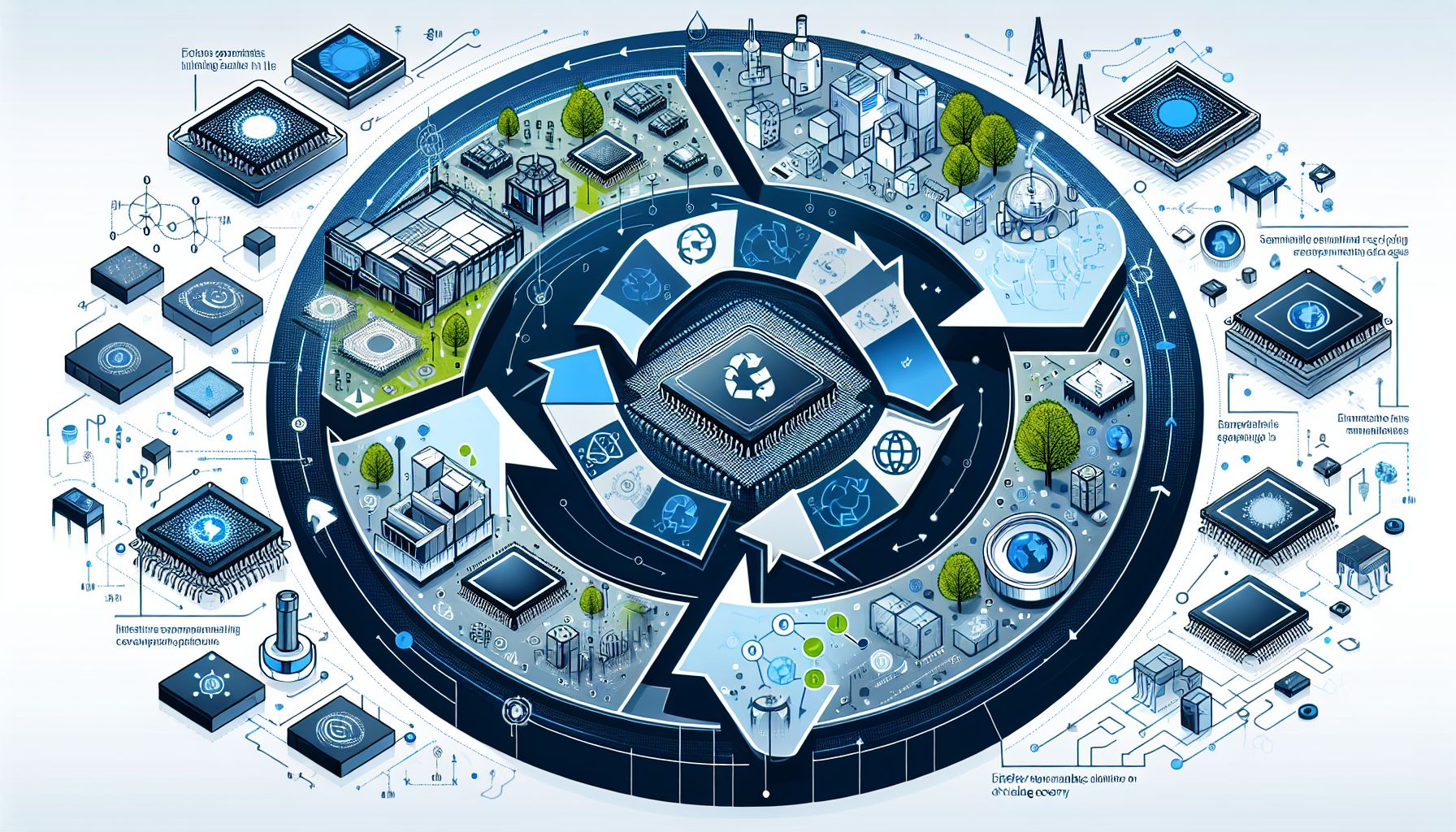
The recycling of TCOs, particularly in Europe, reveals significant obstacles. The absence of established, scalable production and commercialization methods for TCO recycling exacerbates these challenges [1]. European efforts to develop a circular economy model for TCOs remain hindered by technical and infrastructural barriers, prompting an urgent call for innovative solutions and collaborative efforts among industry stakeholders [2].
Innovative Projects and Sustainability Initiatives
The ACTOR project, driven by Mat4greenTech AB (Sweden) and IFE (Norway), aims to address these challenges by establishing zero-emission TCO production methods and enhancing recycling efficiency [1]. This initiative fosters collaboration across the Nordic region, promoting a sustainable, low-carbon value chain for semiconductor manufacturing. Such efforts are aligned with the European Union’s goals to enhance TCO recycling processes by 2027 [2].
Implications for the European Electronics Sector
Successfully addressing TCO recycling challenges is crucial for maintaining Europe’s competitive edge in electronics manufacturing. As electronic waste increases, an effective circular economy approach could not only mitigate environmental impacts but also harness economic value from reused materials [2]. Decision-makers in the industry are encouraged to invest in advanced recycling technologies and explore partnerships that can support sustainable growth in this sector [3].