FPGA Audio Processing: Zedboard Project Explores Real-Time Effects
Portland, Friday, 15 November 2024.
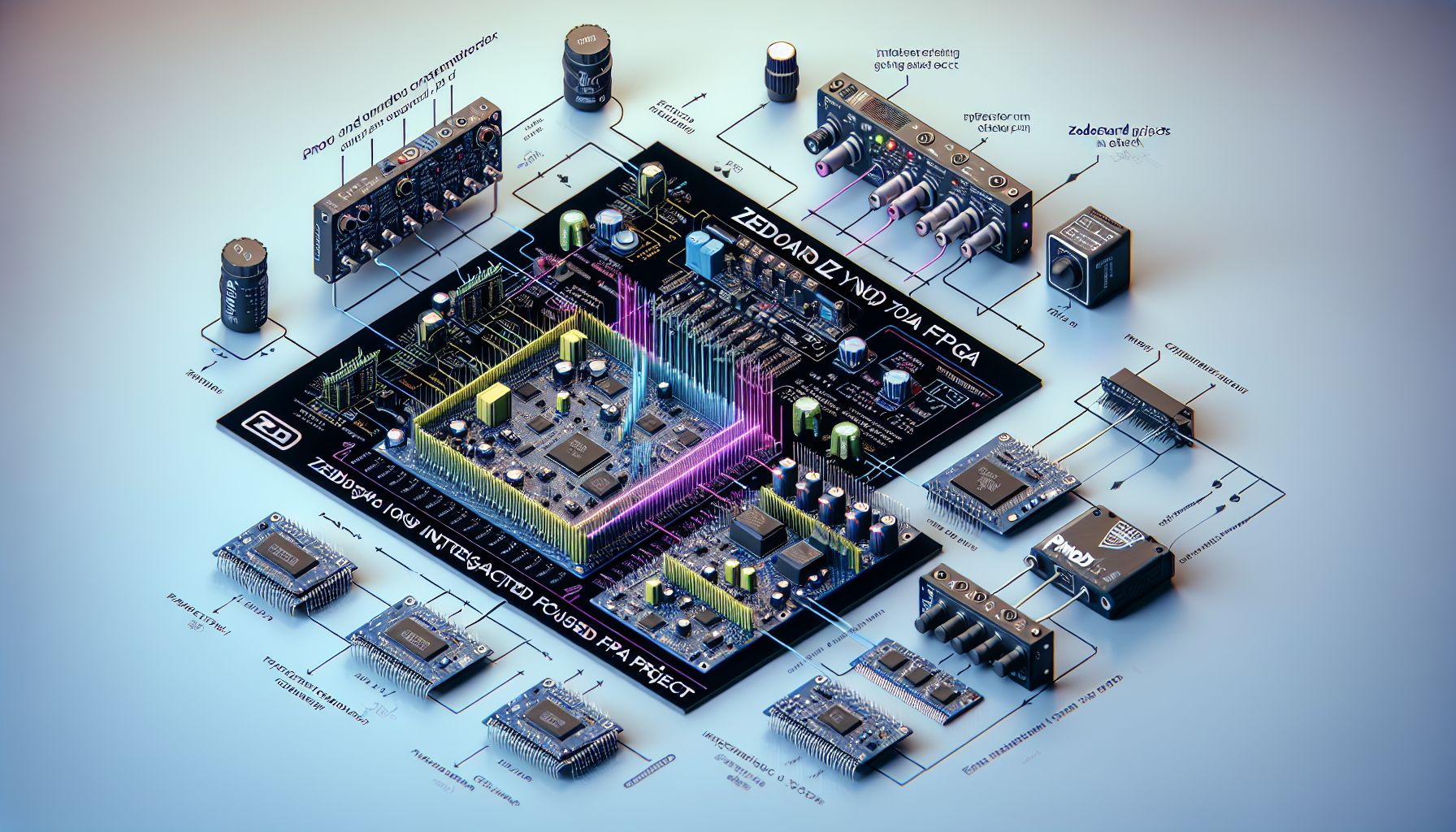
An undergraduate’s project integrates PMOD I2S2 with Zedboard Zynq7000 for live audio effects, highlighting FPGA potential in audio processing. The initiative seeks to overcome configuration challenges and implement effects like delay and distortion in RTL.
Introduction to FPGA and Audio Processing
Field Programmable Gate Arrays (FPGAs) are gaining traction in audio processing due to their flexibility and real-time processing capabilities. The Zedboard Zynq7000, a popular choice for electronics enthusiasts, provides a robust platform for such projects. By integrating the PMOD I2S2 module, this project aims to demonstrate the practical application of FPGAs in creating dynamic audio effects, which include delay and distortion.
Project Components and Setup
To embark on this project, several components are necessary. The primary hardware includes the Zedboard Zynq7000 and the PMOD I2S2 module, which facilitates the audio input and output via the Inter-IC Sound (I2S) interface. Additional components may include various sensors or actuators, depending on the complexity of the desired effects. Setting up involves connecting the PMOD I2S2 to the Zedboard and ensuring all components are securely in place for signal transmission.
Circuit Design and Implementation
The circuit design requires a thorough understanding of both the Zedboard’s capabilities and the PMOD I2S2’s specifications. The project involves writing RTL code to implement the desired audio effects. Constraints files, such as those provided in the project resources, play a critical role in defining the input and output pins and their functions. Beginners are advised to refer to existing I2S2 passthrough implementations for initial guidance [1].
Challenges and Solutions
One notable challenge in using the PMOD I2S2 with the Zedboard is the lack of a dedicated IP for the module, requiring customization of existing code to fit the project needs. The student working on this project has shared insights into these challenges, such as difficulties in signal passthrough and configuration [2]. By leveraging community forums and resources, such as those available on Digilent’s GitHub repository, these obstacles can be navigated with persistence and innovation [3].
Conclusion and Future Prospects
This project not only showcases the potential of FPGAs in audio processing but also encourages continuous learning and adaptation in electronics design. As the student progresses, the project could evolve to include more complex effects or integration with other digital audio interfaces. The journey from concept to implementation underscores the significance of hands-on experience in mastering FPGA technology.