CYOBot Unveils Versatile AI-Powered Transformable Robot
San Francisco, Thursday, 14 November 2024.
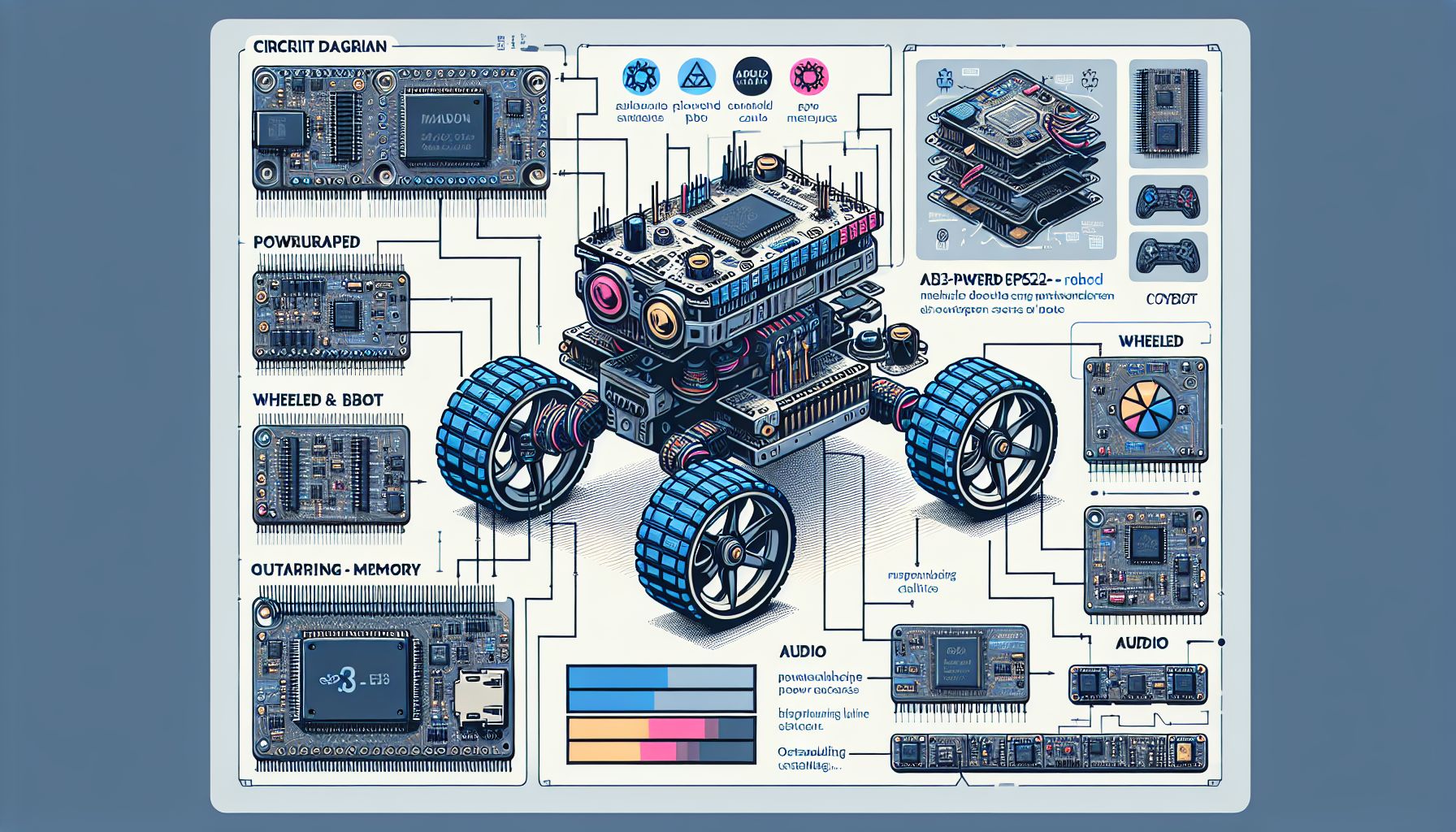
CYOBot introduces an innovative, open-source robot featuring modular design and AI integration. The ESP32-S3-powered device transforms between quadruped, wheeled, and console configurations, offering enhanced memory and audio capabilities for diverse applications from education to advanced robotics research.
Revolutionizing DIY Robotics with CYOBot
CYOBot’s latest offering is a game-changer for DIY enthusiasts and robotics aficionados. By incorporating the powerful ESP32-S3 microcontroller, this modular robot offers significant advancements in both performance and versatility. The device is not just a simple gadget; it’s a comprehensive platform that supports a wide range of applications, from basic educational projects to complex AI-driven tasks. The integration of ChatGPT allows for voice-enabled interactions, making the robot more interactive and user-friendly[1][2].
A Closer Look at the Transformable Design
One of the standout features of the CYOBot is its transformable design, which allows it to switch effortlessly between different configurations—quadruped, wheeled, and console. This flexibility is achieved through a modular architecture that encourages experimentation and customization. The mechanical board, known as the CYOBrain, serves as the hub for these transformations, seamlessly connecting to various robotic bases. This design not only enhances the robot’s adaptability but also simplifies the process for users to modify and upgrade their robots as needed[2][3].
Technical Specifications and Capabilities
The CYOBot is equipped with 12 MG90S servo motors for its legged and wheeled configurations, and 4 additional 360-degree servo motors specifically for its wheeled base. This setup provides robust motion capabilities, allowing the robot to perform complex maneuvers. Enhanced by a 33-LED matrix display and a 12-LED ring, the robot can also deliver visual feedback and engage users in interactive learning experiences. The upgraded ESP32-S3 chip, featuring 8MB PSRAM and dual-core processing, addresses previous limitations by expanding memory and computational power, crucial for applications involving real-time motion planning and AI integration[1][3][4].
Open-Source Potential and Community Engagement
CYOBot’s commitment to open-source development is a key element of its appeal. By releasing the hardware under the CERN Open Hardware License and the software under the GNU General Public License, the company fosters a collaborative community environment. This approach not only accelerates innovation but also allows users to contribute to the platform’s evolution, ensuring that the robot continues to meet the needs of its diverse user base. The ongoing Kickstarter campaign highlights this community focus, inviting backers to participate in the growth of this versatile robotic platform[3][5].