Single-Board Computer Revolution: Beyond Raspberry Pi in 2024
Global, Friday, 25 October 2024.
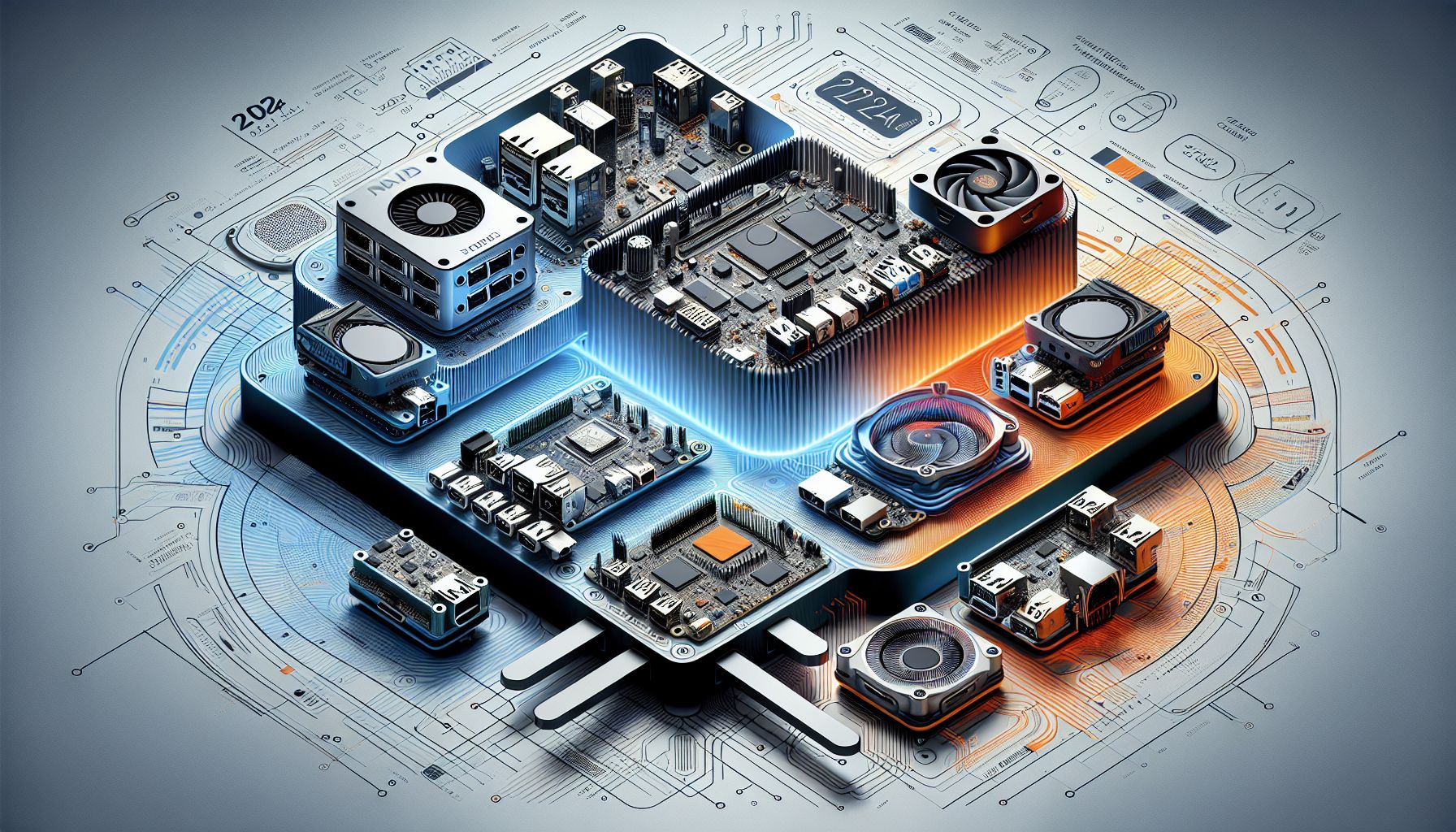
The single-board computer market is evolving rapidly, offering powerful alternatives to Raspberry Pi. From the AI-focused NVIDIA Jetson Nano to the high-performance Orange Pi 5, these compact powerhouses are reshaping DIY electronics and professional development landscapes.
The Rise of Alternative Single-Board Computers
In recent years, the single-board computer (SBC) market has witnessed remarkable growth and diversification. While the Raspberry Pi remains a popular choice for many, new entrants like the NVIDIA Jetson Nano and Orange Pi 5 are challenging its dominance by offering specialized features catering to advanced applications such as artificial intelligence (AI), virtual reality (VR), and the Internet of Things (IoT)[1]. These alternatives provide enhanced processing capabilities, superior graphics, and improved connectivity, making them ideal for both hobbyists and professionals seeking to push the boundaries of their electronic projects.
Key Players in the SBC Arena
Among the notable Raspberry Pi alternatives, the NVIDIA Jetson Nano stands out with its quad-core ARM A57 CPU and 128-core Maxwell GPU, designed specifically for AI and machine learning applications. Priced at approximately $99, it supports four USB 3.0 ports, making it an excellent choice for projects requiring intensive computational tasks[2]. On the other hand, the Orange Pi 5, equipped with a Rockchip RK3588S processor and up to 16GB of LPDDR4X RAM, offers video output capabilities up to 8K at 60fps, catering to those involved in demanding multimedia projects[3].
Comparative Analysis: Features and Performance
When comparing these alternatives, the NVIDIA Jetson Nano excels in AI applications due to its powerful GPU, while the Orange Pi 5 is better suited for high-resolution video tasks. Both devices offer robust connectivity options, including Ethernet and multiple USB ports, but the Orange Pi 5’s support for 10/100/1000Mbps Ethernet provides a slight edge in network-intensive applications. For users focused on multimedia streaming or gaming, the enhanced graphics capabilities of the Orange Pi 5 make it a compelling choice[4].
Use Cases and Recommendations
The versatility of these SBCs opens up a wide range of use cases. The NVIDIA Jetson Nano is perfect for AI enthusiasts looking to develop neural networks or robotics projects, while the Orange Pi 5 is ideal for video editing, streaming, and other visually demanding tasks. For educators and beginners, the Raspberry Pi remains a reliable option due to its extensive community support and ease of use[5]. However, for those seeking more power and specialized features, exploring these alternatives could significantly enhance their project outcomes.
Looking Ahead: The Future of SBCs
As the demand for powerful, compact computing solutions grows, the single-board computer market is poised for continued innovation. Emerging technologies such as AI, IoT, and 5G are expected to drive further advancements in SBC capabilities, offering even more sophisticated features and connectivity options. By 2024, the integration of these technologies will likely transform SBCs into indispensable tools for both personal and professional applications, further blurring the lines between traditional computing and embedded systems[6].