Raspberry Pi Camera Board Evolves: New Updates and Third-Party Support
Cambridge, Friday, 15 November 2024.
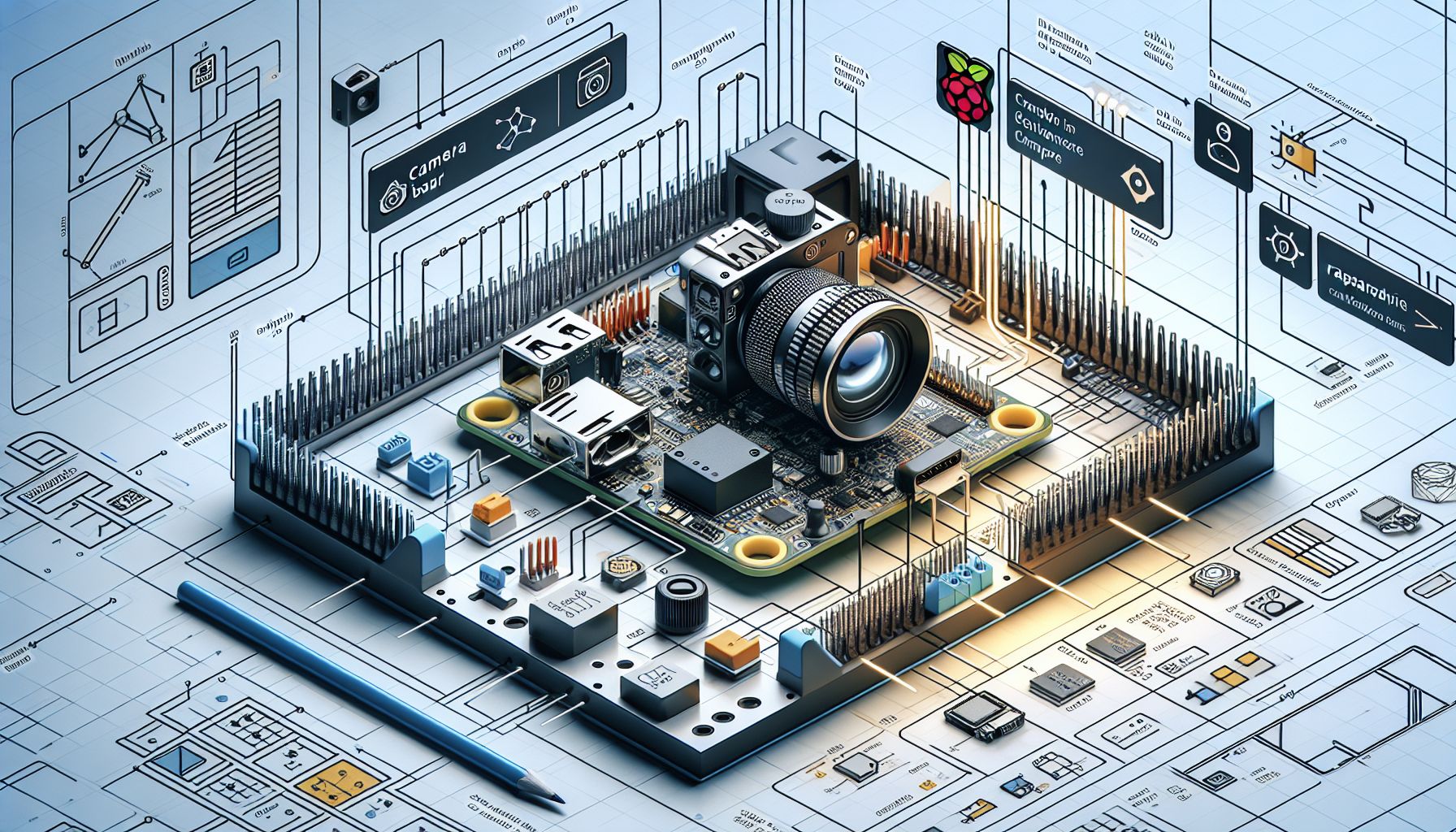
Raspberry Pi’s camera board forum reveals ongoing developments and third-party innovations. Recent discussions highlight enhanced functionalities, customization options, and extended applications for camera projects, showcasing the board’s versatility and community engagement.
Community-Driven Innovations
The Raspberry Pi camera board continues to captivate the imagination of hobbyists and developers alike, as evidenced by the vibrant discussions on Raspberry Pi forums. Recent threads have delved into the myriad ways users are leveraging the board for diverse projects, from simple monitoring setups to advanced AI-powered applications. Notably, discussions around the integration of third-party components have surged, reflecting a growing interest in expanding the board’s capabilities beyond its original design[1].
New Features and Updates
Significant updates to the camera board’s software stack have been a focal point of recent discussions, with users reporting improvements in performance and functionality. A notable thread, with contributions from well-known community members, explored the impact of these updates on CPU usage and video capture quality. The move from MMAL to libcamera, for instance, has sparked debate regarding its efficiency, as users strive to balance performance with resource consumption[2].
Harnessing AI with Raspberry Pi
A key area of interest is the integration of AI capabilities with the Raspberry Pi camera board. The introduction of the Raspberry Pi AI HAT+ has opened new avenues for projects requiring on-device neural processing. This add-on board, equipped with a powerful AI accelerator, allows users to implement complex models directly on the Raspberry Pi, facilitating applications like object detection and image segmentation. The forum discussions reveal a keen interest in utilizing this technology for real-time processing tasks, highlighting the board’s potential in AI-driven projects[3].
Challenges and Community Solutions
Despite the advancements, users continue to encounter challenges, particularly with third-party camera modules. Issues such as high CPU usage and difficulties in achieving stable video output with specific configurations are common topics. However, the collaborative nature of the forum ensures that solutions and workarounds are quickly shared. For instance, users have experimented with GStreamer pipelines and custom C++ applications to optimize performance, demonstrating the community’s resilience and ingenuity in overcoming technical hurdles[4].
Looking Ahead
As the Raspberry Pi camera board evolves, the community’s role in shaping its future becomes increasingly evident. The ongoing discussions and shared experiences not only drive innovation but also foster a sense of camaraderie among users worldwide. With continuous updates and the introduction of new hardware like the AI HAT+, the possibilities for Raspberry Pi camera projects appear limitless. Enthusiasts are eagerly anticipating further developments and are poised to explore new frontiers in electronics and AI applications[5].
Bronnen
- forums.raspberrypi.com
- forums.raspberrypi.com
- www.raspberrypi.com
- forums.raspberrypi.com
- community.octoprint.org