Flexible PCBs Revolutionizing Automotive Electronics
Berlin, Monday, 1 September 2025.
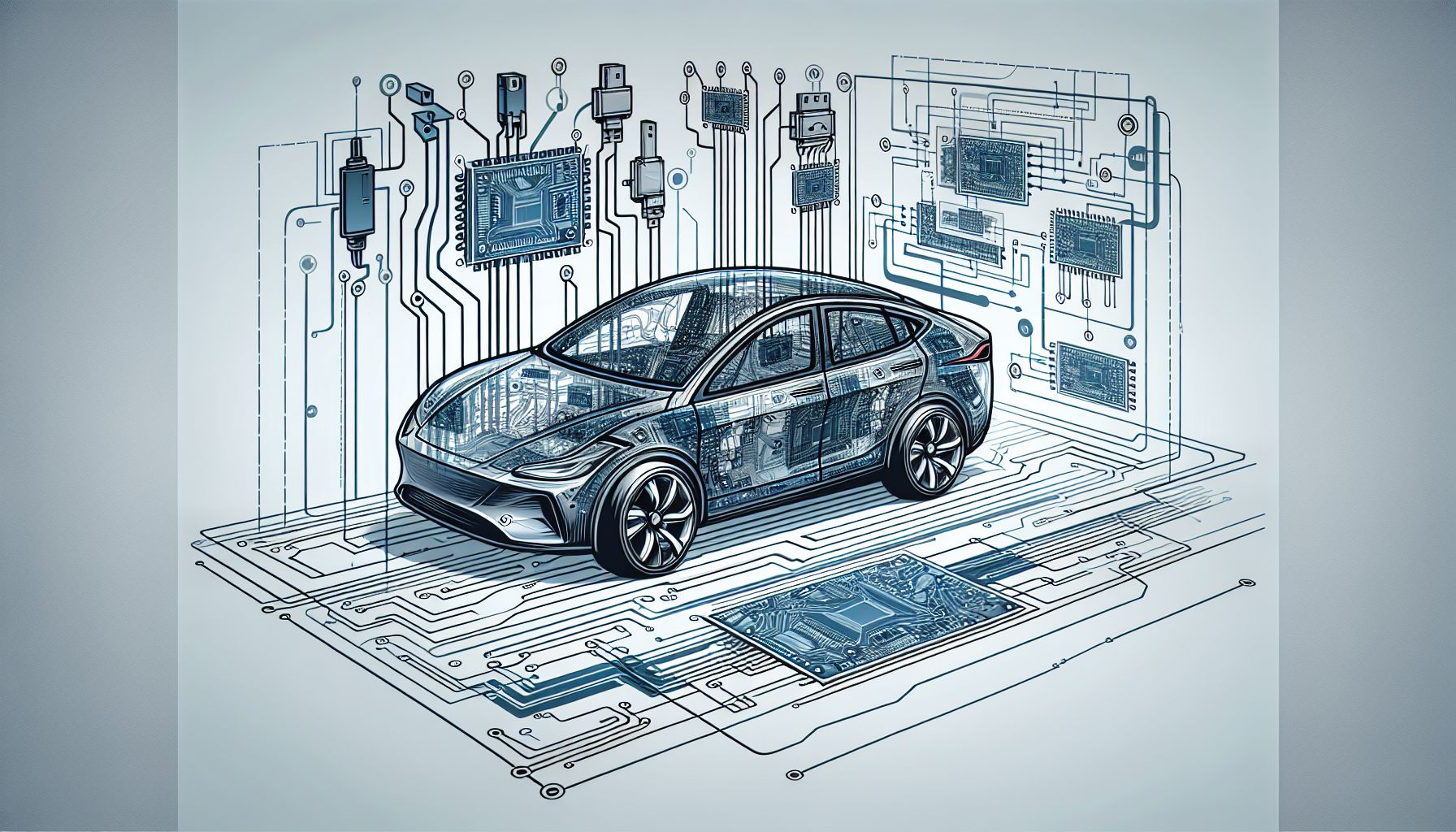
Flexible PCBs enable compact, reliable designs in automotive electronics, improving connectivity and efficiency in vehicles while withstanding harsh conditions.
Flexible PCB Advantages in Automotive Electronics
Flexible printed circuit boards (PCBs) are becoming a pivotal component in the automotive industry, offering compactness and enhanced reliability. These PCBs are designed to withstand the harsh conditions prevalent in vehicles, such as high temperatures and constant vibrations, making them an ideal choice for automotive systems that require durability and performance [1][3].
Applications and Benefits
Key applications of flexible PCBs in the automotive sector include advanced driver-assistance systems (ADAS), infotainment systems, and dashboard displays. These applications benefit from the flexible PCB’s ability to support high-speed data transfer and curved screen designs, which are increasingly common in modern vehicles [1]. Moreover, flexible PCBs contribute to reducing vehicle weight and improving fuel efficiency by allowing for space-saving designs and simplified wiring [3][5].
Technological Innovations and Challenges
Technological advancements in flexible PCBs are focusing on miniaturization and improved performance. However, integrating these advanced circuits into vehicles presents challenges, such as complex manufacturing processes and limited current capacity. Despite these hurdles, ongoing innovations are simplifying integration and enhancing the reliability of these circuits [1][4].
Market Implications and Future Outlook
The flexible PCB market is anticipated to reach a value of USD 20.08 billion by 2025, driven by increasing demand in automotive and other sectors [7]. In Europe, the push towards more efficient and interconnected vehicles aligns with the broader adoption of flexible PCBs, promising significant market growth. The adoption of flexible PCBs is expected to drive advancements in automotive technology, contributing to smarter and more sustainable transportation solutions [1][7].
sources
- www.allpcb.com
- www.bestfpc.com
- www.flexiblepcbboard.com
- www.htglobalcircuits.com
- www.panda-pcb.com
- www.pcbasic.com
- iconnect007.com