AI-Powered Satellite Design: GomSpace and Proteus Space Push Boundaries
Washington, D.C., Tuesday, 29 October 2024.
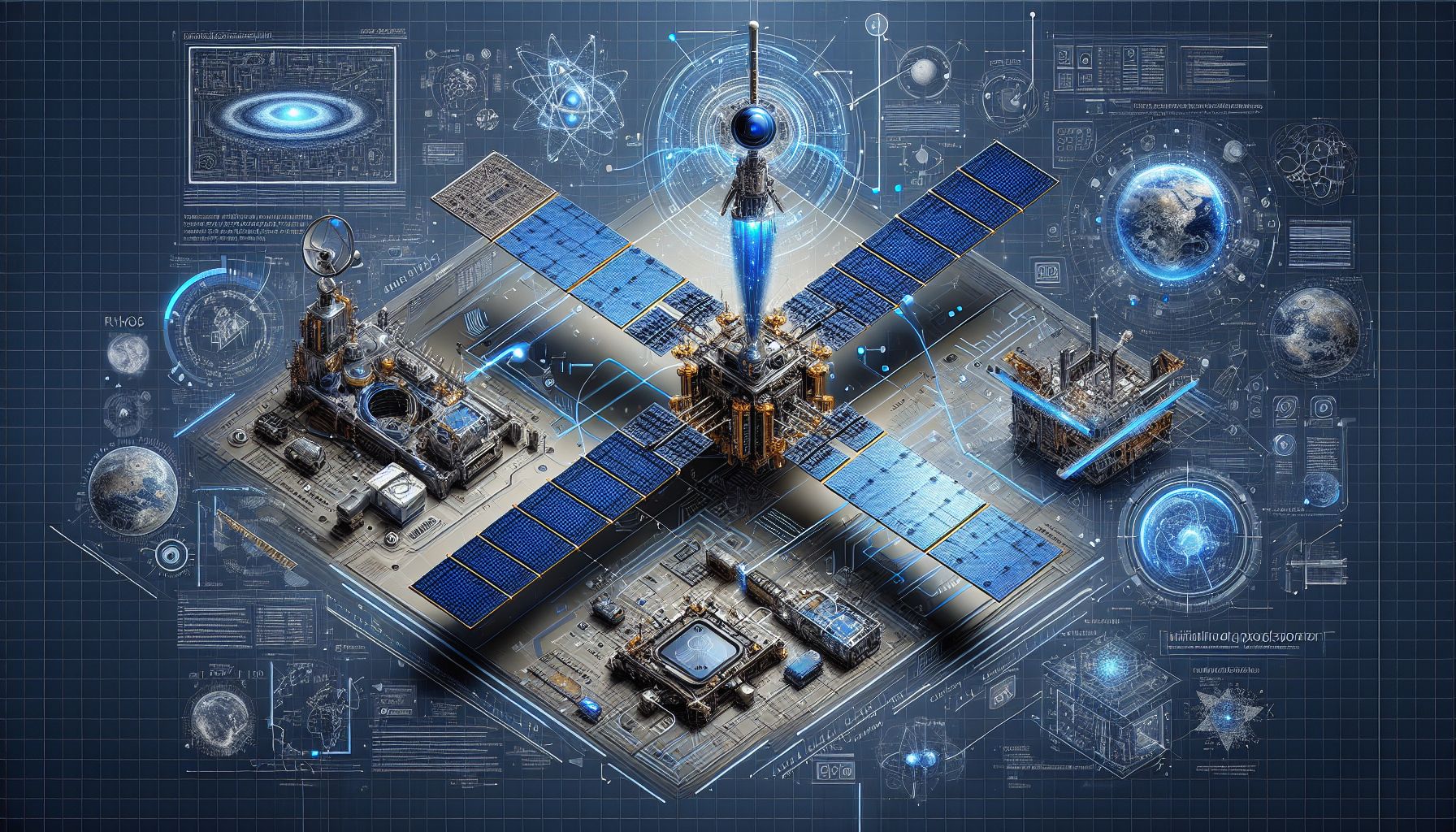
GomSpace North America partners with Proteus Space’s AI platform for a groundbreaking satellite mission. The project aims to set a world record for rapid satellite development, showcasing the potential of AI in space technology innovation.
The Dawn of AI in Satellite Design
The collaboration between GomSpace North America and Proteus Space marks a pivotal moment in space technology. By leveraging Proteus Space’s AI-enabled platform, MERCURY™, the companies aim to revolutionize satellite design and production. This partnership not only highlights the innovative application of AI but also sets a new benchmark in rapid satellite development. The project is set to launch in October 2025, featuring the world’s first AI-designed satellite along with payloads from government agencies and UC Davis Center for Spaceflight Research[1].
Breakthroughs in Rapid Satellite Development
The MERCURY™ platform is at the forefront of this groundbreaking mission, designed to autonomously select components and streamline the satellite assembly process. This AI-driven approach is expected to cut down the satellite design, assembly, integration, and testing period to just 10 months, a record-setting timeline for ESPA-class satellites. The innovation doesn’t stop at speed; it also introduces unprecedented precision and flexibility, crucial for both commercial and military applications[1].
Strategic Significance and Industry Impacts
The strategic partnership between GomSpace and Proteus is poised to impact future military and commercial satellite missions significantly. As noted by David Kervin, CEO of Proteus Space, the AI capabilities of MERCURY™ are transformative, allowing for enhanced efficiency and quality in satellite production[1]. Additionally, a strategic partnership with SAIC further strengthens Proteus’ position, aiming to expedite the development of next-generation space solutions through advanced digital engineering[2].
The Future of Satellite Manufacturing
This endeavor is part of a broader industry trend toward high-volume, AI-assisted satellite production. As the demand for microsatellites and nanosatellites grows, the industry is shifting from traditional, costly manufacturing methods to more agile, efficient processes. AI and machine learning play crucial roles in enhancing quality control and predictive maintenance, ensuring satellites are more reliable and have longer operational lifespans[4]. This evolution is expected to drive significant growth in the satellite manufacturing market, projected to expand substantially over the coming years[4].
Conclusion: A New Horizon for Space Exploration
The partnership between GomSpace and Proteus Space not only exemplifies the transformative power of AI in satellite technology but also sets a precedent for future innovations in the field. As AI continues to enhance rapid manufacturing capabilities, the potential for more efficient and cost-effective satellite missions becomes increasingly attainable. This collaboration is a testament to the dynamic nature of space exploration and the endless possibilities that lie ahead[1].