Automotive Electronics Industry Embraces Automated Design for Manufacturing
Munich, Tuesday, 15 July 2025.
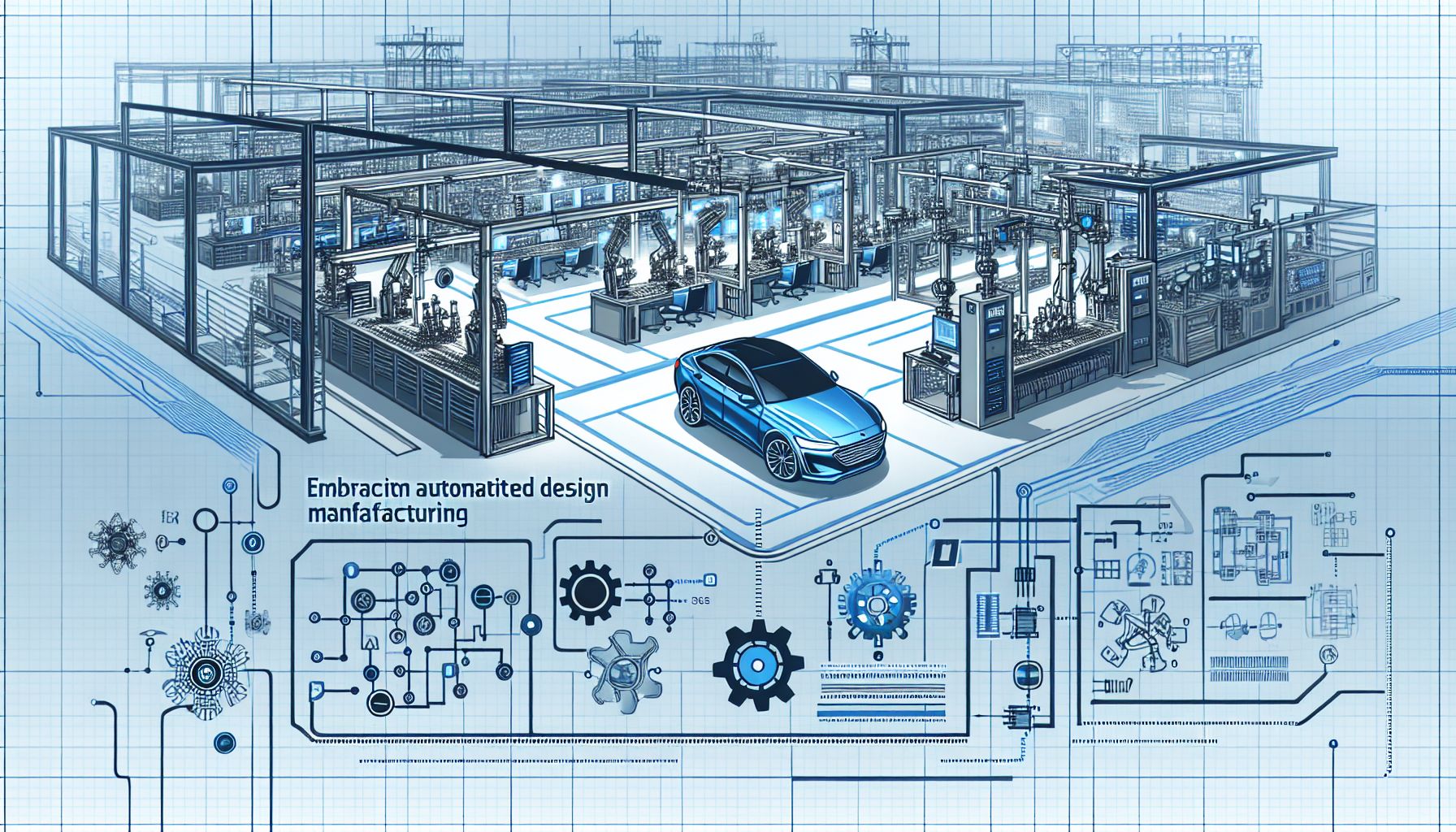
The automotive electronics sector is increasingly adopting automated DFM tools to meet market pressures and regulatory standards, enhancing production efficiency and competitiveness amidst rapid technological advancements.
Embracing Automated DFM: A Strategic Shift
With the surge in technological advancements, the automotive electronics industry is increasingly turning towards automated Design for Manufacturing (DFM) solutions. Companies like Desay SV are leading this transformation by integrating tools such as Valor NPI to streamline their production processes and maintain competitiveness amidst market pressures [1]. The integration of automated DFM has demonstrated significant efficiency improvements, with stages like DFM collection, sorting, configuration, and deployment enhancing the production workflow [1].
European Market and Regulatory Alignment
The transition to automated DFM in automotive electronics is particularly noteworthy in the European market. Here, the emphasis is not only on improving competitive stance but also on aligning with stringent regulatory standards that govern automotive production [2]. European manufacturers are urged to adopt these solutions to meet consumer expectations for smart, clean, and safe automotive products [3]. As these standards evolve, staying ahead with adaptable and automated processes will be crucial for compliance and market leadership [2].
Technical Advancements in DFM Solutions
The developments in DFM tools are marked by notable technical innovations. Siemens’ NX software, for instance, includes a new DFM Advisor capable of automating manufacturability assessments across various manufacturing processes [4]. This advancement underscores an industry-wide push towards harnessing AI-driven insights and cloud-based capabilities to enhance design-for-manufacturability checks [5]. Such tools are now integral to automotive electronics, reducing development times while improving product quality [6].
Implications for Market Dynamics
The adoption of automated DFM tools reveals wider market implications. With enhanced production efficiency and reduced costs, companies can respond swiftly to market demands and decrease time-to-market for new products [1][3]. As a result, companies that embrace these technologies gain a significant competitive edge, capable of delivering high-quality, regulatory-compliant products faster and more efficiently. This trend is set to redefine market dynamics, as businesses compete on the basis of technological adeptness and innovative capabilities [3].
sources
- blogs.sw.siemens.com
- www.infineon.com
- blogs.sw.siemens.com
- newsroom.sw.siemens.com
- plm.sw.siemens.com
- events.sw.siemens.com