International Symposium on Smart Sensing Spotlights Innovative Technologies
Newcastle, Monday, 28 July 2025.
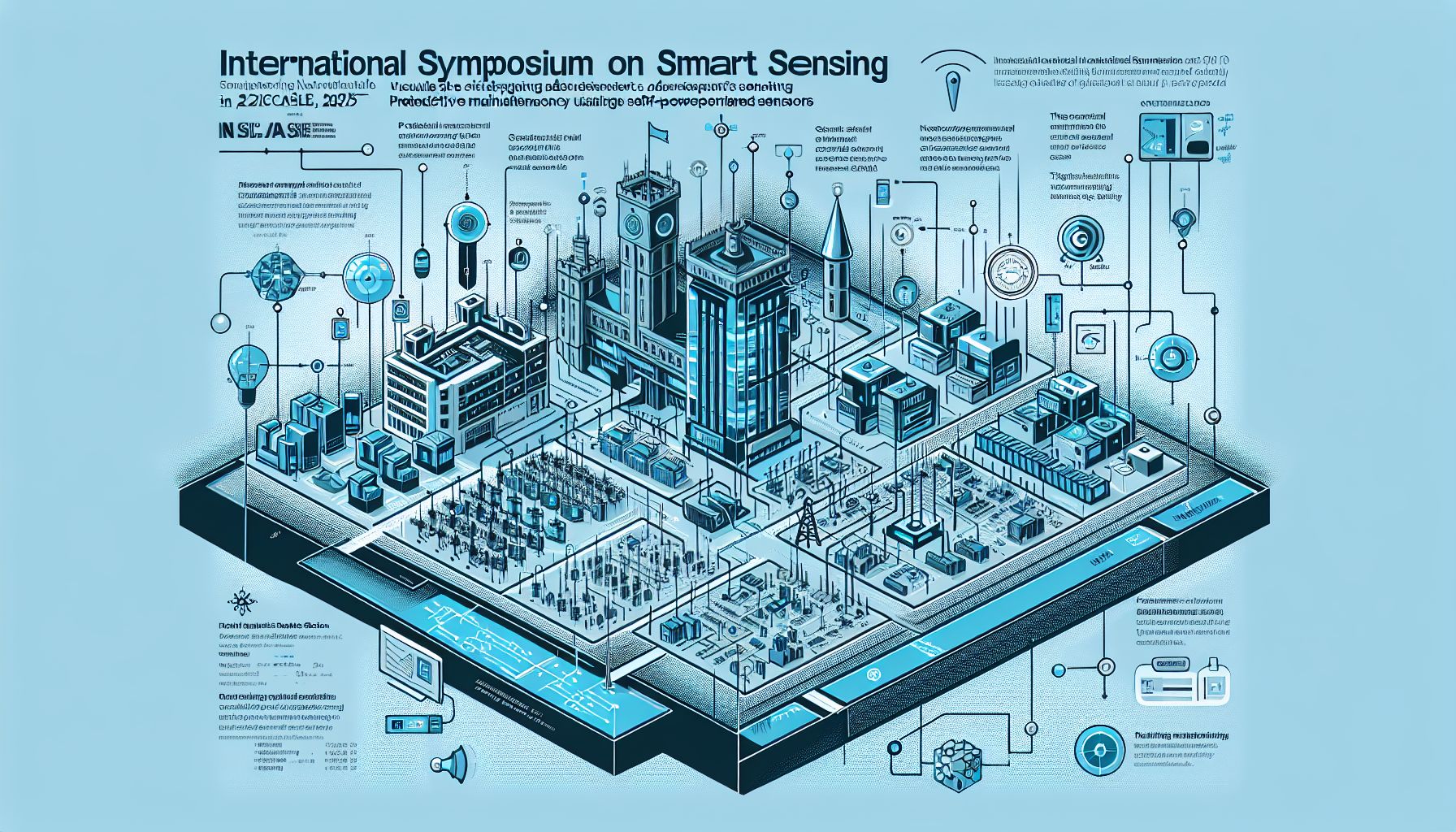
The IEEE SAS 2025 in Newcastle highlights cutting-edge advancements in smart sensing. Key innovations include Teoresi MedTech’s SPS project, focusing on predictive maintenance using self-powered sensors.
Teoresi MedTech’s Breakthrough in Predictive Maintenance
At the Sensors Applications Symposium – IEEE SAS 2025 held in Newcastle, innovative research spearheaded by Teoresi MedTech captured significant attention. The company’s Smart Predictive System (SPS) project is a pioneering solution designed for predictive maintenance of electric motors using self-sustainable IoT sensors. These sensors are powered through thermoelectric energy harvesting, enabling them to operate autonomously and retrofit onto existing motor systems [1][5].
Technical Specifications and Scalable Solutions
The SPS system integrates wireless, self-powered sensors and employs an Incremental DBSCAN clustering algorithm. This algorithm facilitates continuous, adaptive learning from the motor’s operating conditions without the need for prior training. Additionally, a complex software infrastructure enables data acquisition, normalization, dimensionality reduction, and clustering of multisensor data such as vibration, acoustic signals, and magnetic fields [2][5].
Real-World Applications and Industry Impact
Field validations in real industrial settings showcased the system’s ability to achieve 97% accuracy in anomaly classification. This breakthrough is critical in reducing operational costs and unplanned downtime, thus enhancing production efficiency in industries like manufacturing and process automation. Furthermore, the ability of the system to adapt to previously unknown operating states makes it a versatile solution across various industrial applications [2][5].
Strategic Networking and Future Implications
The IEEE SAS 2025 symposium served not only as a platform for technological exchange but also for strategic networking. The diverse participation included fresh researchers and renowned academics alongside industry practitioners. This environment encouraged dialogue and collaboration across sectors, particularly in crucial applications like medical technology and agriculture, fostering potential partnerships that could shape future innovations in the smart sensor landscape [1][3].