LibrePCB 1.2.0: Major Update Bridges Gap with KiCad Integration
Zurich, Monday, 2 December 2024.
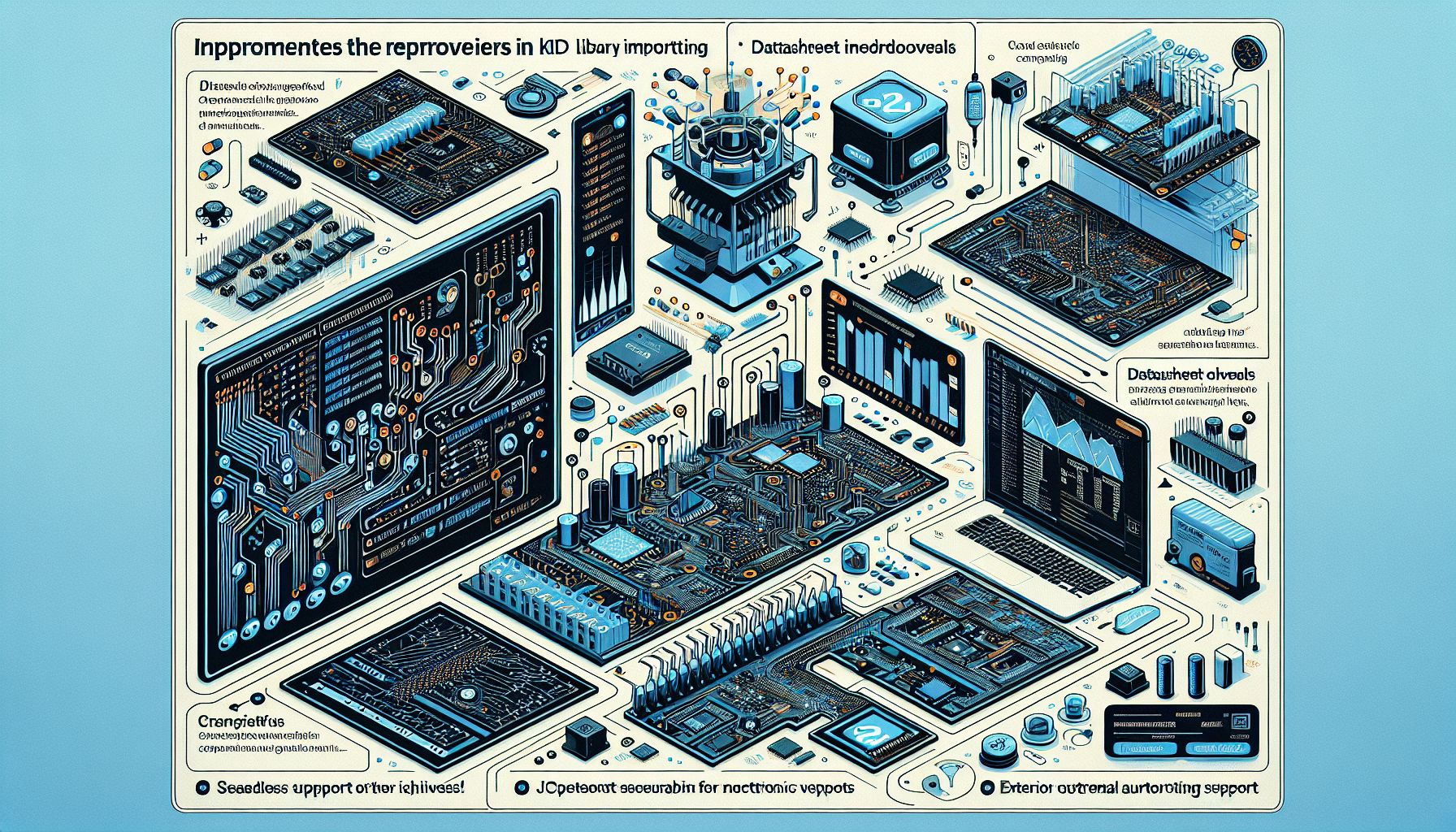
In a significant move for electronic design automation, LibrePCB’s December 2024 release introduces seamless KiCad library importing, alongside powerful features like datasheet overlays and external autorouting support. This free, cross-platform software now offers enhanced workflow capabilities for both beginners and professionals, marking a notable advancement in open-source PCB design tools. The update also modernizes system requirements, dropping support for older Windows versions while optimizing performance for contemporary operating systems.
Key Features Elevate User Experience
LibrePCB 1.2.0 has made a landmark progression in the realm of electronic design automation by integrating KiCad library imports. This enhancement is particularly appealing to engineers and hobbyists who have previously relied on KiCad, the most popular EDA tool in the open-hardware community[1]. The new importer facilitates a smoother transition between the two platforms, allowing users to maintain design consistency without laborious manual conversions. Moreover, the release introduces a datasheet overlay feature, enabling users to set package drawings from datasheets as a background in the footprint editor, thus streamlining the validation process[1].
Enhanced Functionality with External Autorouting
Another significant addition is the support for Specctra DSN/SES format, which allows the use of external autorouting tools such as Freerouting. This feature is poised to enhance the board design process by automating complex routing tasks, traditionally time-consuming when performed manually[1]. By leveraging these new capabilities, users can expedite their design workflows, ensuring more efficient project completion. This update is part of LibrePCB’s ongoing efforts to improve user experience and functionality, cementing its position as a formidable contender in the open-source EDA software market[2].
Comparing LibrePCB with Industry Peers
When juxtaposed with other tools like DipTrace and Altium CircuitMaker, LibrePCB stands out for its comprehensive library management and ease of use, despite lacking a 3D visualization feature[3]. DipTrace, for instance, offers robust 3D modeling and real-time design checks but comes with a cost, whereas LibrePCB remains free, appealing to budget-conscious users. Altium CircuitMaker provides a user-friendly interface and 3D views, but its public project default may not suit users requiring privacy. In contrast, LibrePCB’s open-source nature and growing feature set, such as the recent KiCad integration, make it a compelling choice for both novice and seasoned PCB designers[2].
Recommendations for Diverse User Groups
LibrePCB’s latest update caters to a wide spectrum of users, from DIY enthusiasts to professional engineers. Beginners will appreciate its user-friendly interface and the ability to import existing KiCad libraries, which simplifies the learning curve significantly. For more advanced users, the addition of datasheet overlays and external autorouting offers powerful tools to refine and expedite their design processes. The decision to discontinue support for older operating systems like Windows 7 and 8 aligns with industry trends, ensuring that the software remains optimized for current technologies[1]. This strategic move not only enhances performance but also prepares users for future innovations in PCB design.