Defense Semiconductor Market Set for $3 Billion Growth by 2028
New York, Wednesday, 30 October 2024.
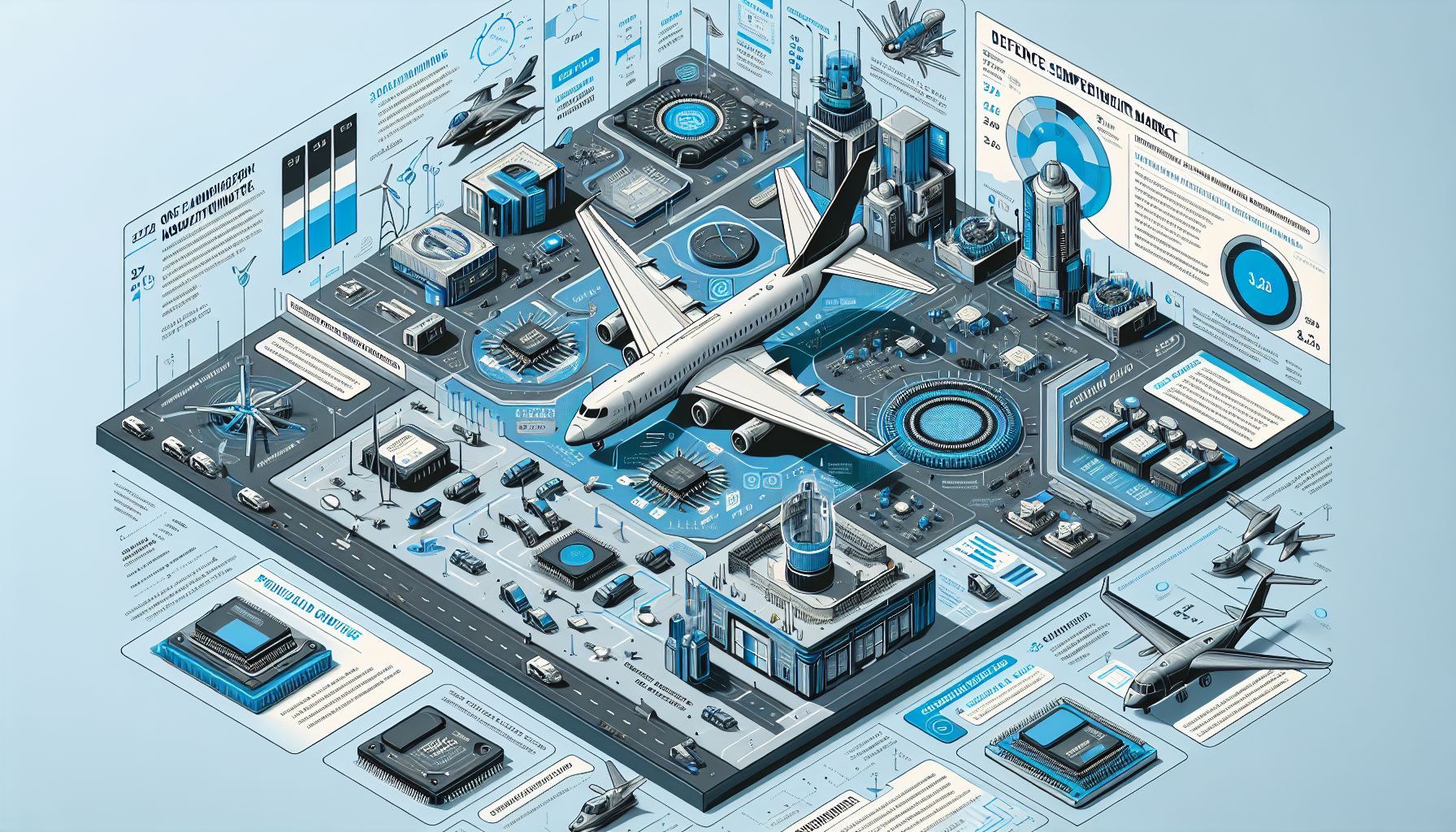
The military and aerospace semiconductor market is projected to grow by $3.02 billion from 2024 to 2028, driven by aircraft modernization and increased use of unmanned aerial vehicles. This growth, at a CAGR of 5.56%, reflects the sector’s increasing reliance on advanced electronic systems.
Technological Advancements Fueling Growth
The semiconductor market within the military and aerospace industries is experiencing a significant boost due to the modernization of aircraft systems and the rising utilization of unmanned aerial vehicles (UAVs). These advancements are not only pivotal in enhancing operational efficiencies but also integral to meeting the demands for advanced electronic warfare systems. Unmanned systems, in particular, have seen a surge in demand, with countries like India and China investing heavily in UAV technology for military applications. Notably, India ordered 31 MQ-9B drones in September 2023, while China showcased 300 UAVs in October 2023, emphasizing the strategic importance of these platforms[1].
Market Dynamics and Key Players
The market’s expansion is supported by major industry players such as Intel Corp., Qualcomm Inc., Northrop Grumman Corp., and Samsung Electronics Co. Ltd., who are at the forefront of semiconductor innovation in defense applications. These companies are developing technologies that cater to both defense and aerospace needs, covering segments like Memory, Logic, MOS microcomponents, and Analog solutions. Despite the growth prospects, the industry faces challenges including high manufacturing costs and complex supply chains, which could affect profitability and scalability[1].
Geopolitical Influences and Challenges
Geopolitical factors are playing a crucial role in shaping the semiconductor landscape. The U.S. has implemented stringent export controls to limit China’s access to advanced semiconductor technologies, which are crucial for military applications. These controls aim to curb China’s military expansion by forcing Chinese companies to innovate independently or source technologies from non-U.S. suppliers. This situation has led to a shift in the global semiconductor supply chain, with China advancing its packaging capabilities to leapfrog traditional leaders in chip design and manufacturing[2].
Implications for Defense and Future Trends
The integration of artificial intelligence and machine learning in defense systems is expected to further propel the semiconductor market’s growth. Innovations in materials like Gallium Nitride (GaN) and Silicon Carbide (SiC) are crucial for developing high-power and high-frequency systems, essential for modern military platforms such as the Rafale fleet and F4 standard fighter jets. As defense budgets continue to rise globally, fueled by the need for advanced radar, communication, and navigation systems, the demand for sophisticated semiconductors is poised to increase significantly, shaping the future of military technologies[1].