Huawei Showcases Aviation Tech at Super Terminal Expo
Beijing, Tuesday, 12 November 2024.
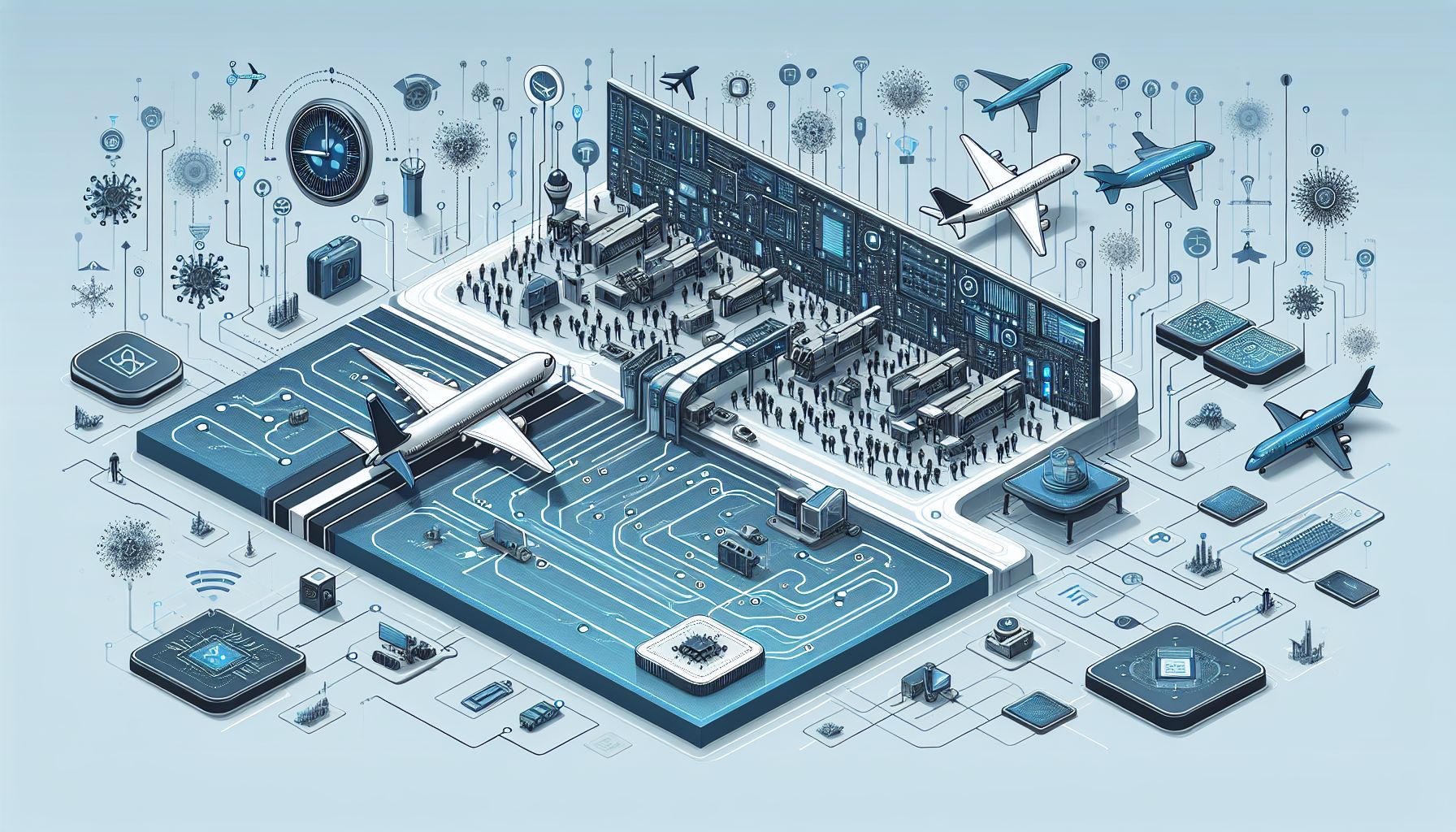
Huawei’s debut at the Super Terminal Expo marks a significant shift in aviation technology. The company presented innovative solutions for digital transformation in airports and airlines, emphasizing AI integration for improved efficiency and passenger experience.
Innovative Solutions for a Digital Era
At the Super Terminal Expo, Huawei unveiled a suite of products designed to revolutionize the aviation sector. Their solutions emphasize the integration of AI to enhance both operational efficiency and passenger experiences. The aim is to create more intelligent solutions through collaboration with industry stakeholders, leveraging Huawei’s extensive experience in ICT infrastructure[1].
AI at the Core of Aviation Transformation
AI is central to Huawei’s strategy, as highlighted by Jacky Wang, Vice President of Smart Transportation BU. He emphasized the merging of passenger, freight, commercial, fund, and information flows at hub airports, which AI can manage more effectively. This includes applications in flight flow management, airport security, and Total Airport Management (TAM), promising to streamline operations and enhance service delivery[1].
Global Reach and Future Prospects
Huawei’s influence extends globally, with its technology already serving over 210 airports, airlines, and air traffic management customers worldwide. The company plans to increase investments in the transportation sector, aiming to establish a digital and intelligent foundation for comprehensive transportation and logistics. This foundation is crucial for enabling secure and efficient operations across the industry[1].
Digital Yuan Integration and Implications
Beyond aviation, Huawei’s integration of China’s digital yuan into its Harmony OS represents another significant leap in digital transformation. This move enables seamless in-app payments, marking Huawei’s commitment to advancing digital currency adoption and enhancing consumer transaction experiences. However, it also raises privacy concerns, as CBDCs like China’s are scrutinized for potential government monitoring capabilities[2].
A Broader Technological Shift
Huawei’s innovations aren’t limited to aviation and digital currency. The company’s developments in HarmonyOS reflect a broader technological shift, contributing to China’s independent innovation. As Huawei continues to integrate advanced AI capabilities, it positions itself at the forefront of creating a fully connected, intelligent world, with implications that span across various industries[3].