Affordable FPGA PCIe Development Board Revolutionizes In-PC Projects
Global, Monday, 9 December 2024.
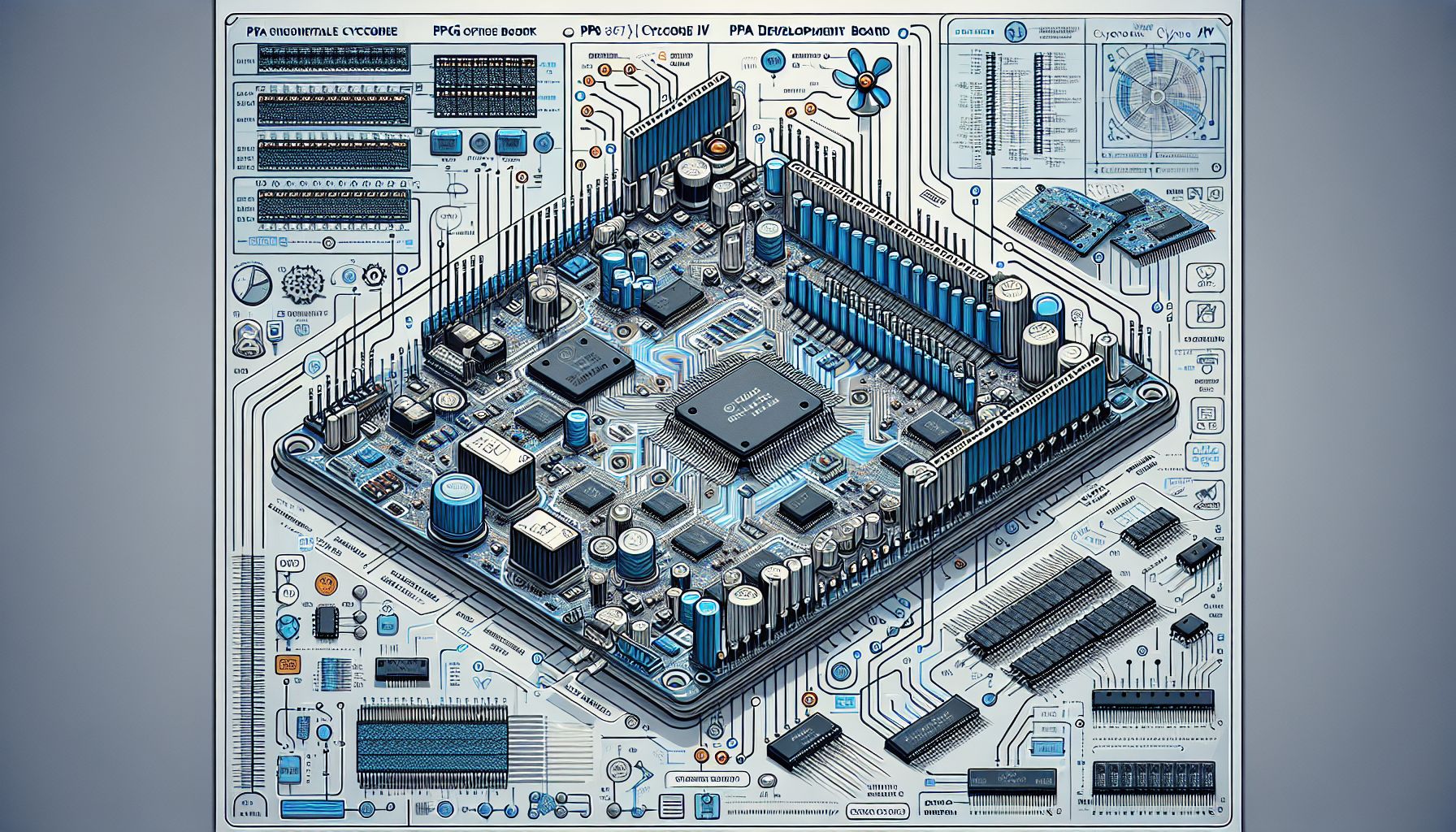
A budget-friendly FPGA PCIe development board using Cyclone IV, priced around $20, simplifies integration into PC systems, appealing to hobbyists and engineers alike.
Breakthrough in FPGA Accessibility
The discovery of repurposable IBM RS-485 boards featuring Intel FPGA has created a significant opportunity for electronics enthusiasts and developers. These boards, available on the surplus market for approximately $20 shipped [1], represent a dramatic cost reduction compared to traditional FPGA development boards [GPT]. The boards come equipped with a Cyclone IV FPGA, boasting approximately 21,000 logic elements and over 750 kbits of memory [1], making them suitable for a wide range of applications.
Technical Specifications and Implementation
The board’s architecture includes essential components such as configuration memory and power management circuits [1]. While the JTAG header comes unpopulated, the footprint is readily available for customization. Users need only add a surface-mount pin header and connect an external JTAG probe to begin programming [1]. This flexibility makes the platform particularly attractive for both educational and professional development environments [GPT].
Market Impact and Development Opportunities
This development represents a significant shift in the FPGA development landscape, similar to the democratization effect the RTL-SDR had on software-defined radio [1]. The availability of such affordable PCIe FPGA boards opens new possibilities for custom hardware acceleration and specialized computing applications [GPT]. The comprehensive documentation available through CircuitValley’s GitHub repository ensures developers can quickly begin implementing their projects [1].
Future Implications and Applications
The emergence of these affordable FPGA development boards coincides with growing interest in custom hardware solutions and accelerated computing [GPT]. For beginners entering the FPGA space, these boards provide an accessible entry point to PCIe development [2], while professional developers can leverage them for rapid prototyping and proof-of-concept work. The combination of affordability and capability positions these boards as valuable tools for both educational and industrial applications [GPT].