FPGA vs. STM32: Choosing the Right Platform for Audio Processing
Online, Tuesday, 29 October 2024.
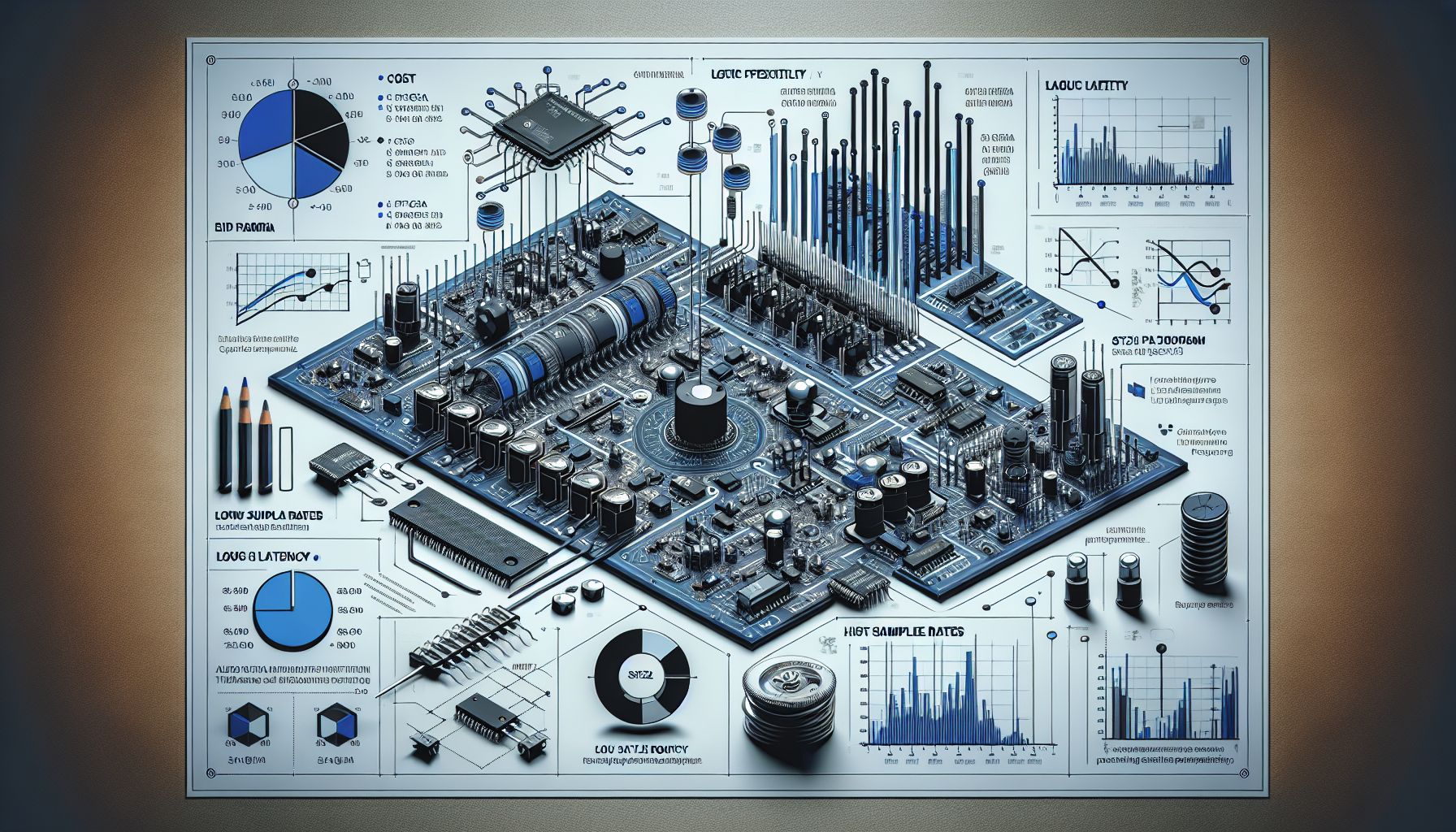
A debate on FPGA versus STM32 for audio processing reveals trade-offs between cost, logic flexibility, and processing power. The discussion highlights the importance of low latency and high sample rates in DIY audio projects, with enthusiasts weighing the pros and cons of each technology.
Understanding the Basics
At the heart of the debate between FPGA (Field-Programmable Gate Array) and STM32 microcontrollers for audio processing are two distinct philosophies of design and implementation. FPGAs are known for their flexibility and capacity to execute parallel processing tasks, making them suitable for applications requiring high-speed data handling and precise timing. On the other hand, STM32 microcontrollers, part of the ARM Cortex family, offer a more traditional approach with integrated peripherals and rich development ecosystems, which are often more cost-effective and easier to implement for straightforward tasks.
Latency and Sample Rate Considerations
For audio enthusiasts, latency and sample rate are critical parameters. The ability to maintain low latency is crucial in real-time audio processing applications, where even a slight delay can affect sound quality and user experience[1]. FPGAs have the upper hand in this area, as they can be programmed to handle tasks with minimal delay by directly managing data paths and logic gates. This capability allows FPGAs to support high sample rates, such as 192 kHz or higher, which are often required in professional audio settings[2]. In contrast, while STM32 can manage respectable sample rates, achieving extremely low latency may require additional optimization and resources.
Cost and Complexity
Cost is often a significant factor when choosing between FPGA and STM32 for a project. FPGAs tend to be more expensive due to their flexible nature and the complexity of their design. They also require a steeper learning curve and more significant development time, which might not be ideal for all DIY enthusiasts[3]. In comparison, STM32 microcontrollers are generally more affordable and have a wide array of development tools and community support, making them accessible for beginners and those with budget constraints.
Project Suitability
The choice between FPGA and STM32 ultimately depends on the specific requirements of the audio processing project. For tasks that demand high parallel processing capabilities and ultra-low latency, such as advanced audio effects or real-time signal processing, FPGAs are likely the better option despite their cost and complexity. Conversely, for simpler applications or projects where cost efficiency is paramount, STM32 microcontrollers provide a more accessible and straightforward solution[4].