Black Hawk Helicopters Set for Autonomous Revolution
Arlington, Tuesday, 15 October 2024.
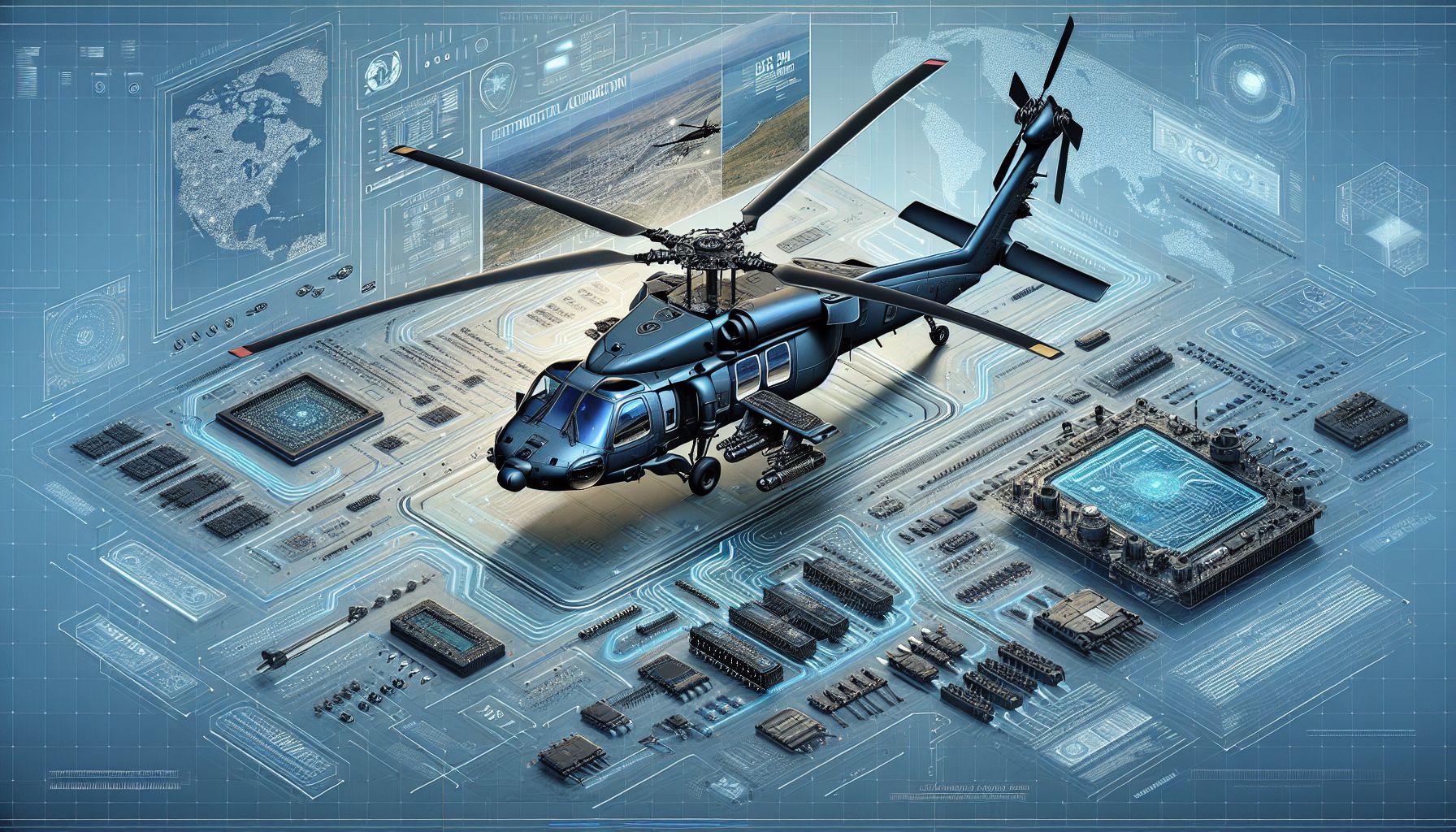
The US Army’s UH-60M Black Hawk helicopters are poised for a groundbreaking upgrade with Sikorsky’s MATRIX autonomy system. This $6 million DARPA project aims to enable pilotless flights by 2025, promising enhanced safety and operational flexibility in complex military scenarios.
A Leap Forward in Aviation Technology
The integration of the MATRIX autonomy system marks a significant milestone in military aviation. With the support of DARPA, Sikorsky, a Lockheed Martin company, is set to redefine the capabilities of the iconic UH-60M Black Hawk helicopter. This project is not only about removing pilots from the cockpit but enhancing overall mission efficiency and safety. The MATRIX system, part of the ALIAS program, allows for a range of autonomous operations, from single pilot assistance to fully autonomous flight, providing unprecedented flexibility on the battlefield[1][2].
Technological Aspects and Demonstrations
The heart of this transformation is the MATRIX technology, which has undergone rigorous testing to ensure reliability and effectiveness. In July 2024, Sikorsky, in collaboration with DARPA, demonstrated the Black Hawk’s capabilities in a series of tests. These demonstrations highlighted the helicopter’s ability to be controlled remotely via a tablet, showcasing the potential for fully autonomous operations. Project Convergence 2022 served as a precursor, where the Black Hawk successfully conducted autonomous cargo resupply missions without a crew on board[3][4].
Potential Implications for Military Operations
The transition to autonomous flight in military helicopters promises several advantages. As Rich Benton, Sikorsky’s Vice President, stated, ‘Autonomy-enabled aircraft will reduce pilot workload, dramatically improve flight safety, and give battle commanders the flexibility to perform complex missions in contested and congested battlespace, day or night in all weather conditions.’ This technological leap is expected to extend the operational lifespan of the Black Hawk into the 2070s, solidifying its role in the U.S. Army’s aviation fleet as it evolves to meet the demands of modern warfare[5][6].
Challenges and Future Prospects
While the prospect of autonomous helicopters is promising, it comes with its set of challenges. The integration of new technologies like the GE Aerospace T901 engines, which are expected to enhance performance and range, has faced delays due to technical and supply chain issues. Moreover, building trust in autonomous systems remains a focal point. Dr. Alex Miller from the Army emphasizes the importance of reliability, noting that any failure to meet expectations could hinder operator confidence in these systems. Despite these hurdles, the journey towards autonomous Black Hawks is well underway, aligning with Lockheed Martin’s vision for 21st Century Security[7][8].