Modern Cars: Your Digital Privacy at Risk on Four Wheels
Australia, Thursday, 21 November 2024.
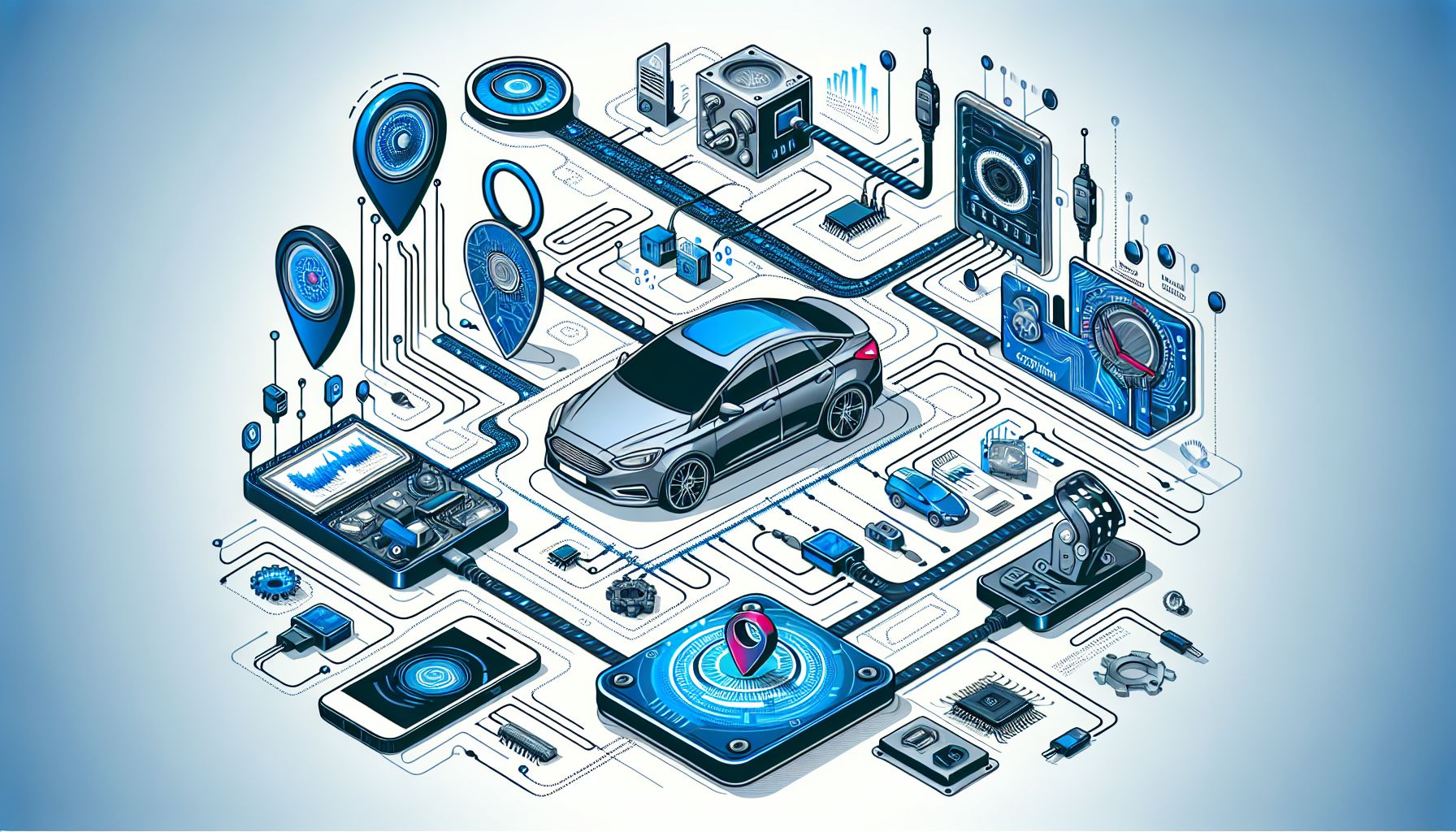
By 2031, 93% of new cars in Australia will be internet-connected vehicles, collecting extensive personal data. From real-time location tracking to driving habits, these ‘smartphones on wheels’ create detailed driver profiles that manufacturers can share or sell. Recent investigations reveal major car brands often mishandle this sensitive data, potentially enabling stalking, fraud, or domestic abuse. The situation is particularly concerning as consumers face significant obstacles in understanding their privacy rights, having to navigate through an average of 14,000 words of privacy terms per brand.
The Scope of Data Collection
Modern vehicles equipped with internet connectivity have become sophisticated data collection tools. These vehicles can gather a wide range of data, including real-time location information, driver’s license details, and even biometric data. According to a report analyzing 15 popular car brands in Australia, many manufacturers claim that certain data types do not qualify as ‘personal information,’ thus sidestepping strict privacy regulations[1]. This raises significant concerns about how personal data is defined and protected under current laws.
Implications for Consumer Privacy
The implications of such extensive data collection are profound. Data collected by connected cars can be repurposed for marketing or research and shared with third parties, often without explicit consumer consent[1]. This practice not only invades personal privacy but also poses security risks. For instance, personal data misuse can facilitate crimes like stalking or fraud, as highlighted by privacy advocates. The situation is exacerbated by the fact that accessing privacy terms requires navigating through complex documents, often leaving consumers unaware of the extent of data collected and shared[1].
Global and Regional Responses
Internationally, regions like the European Union have implemented robust data protection laws, such as the General Data Protection Regulation (GDPR), to safeguard personal data. Conversely, countries in the Global South face challenges in adopting similar frameworks due to reliance on foreign technology[3]. In the United States, the Federal Trade Commission is investigating auto industry practices, while recently proposed regulations aim to mitigate national security risks associated with data collected by connected vehicles[5]. Meanwhile, in Australia, the ongoing review of the Privacy Act seeks to address these concerns, though reforms have been criticized for not adequately redefining ‘personal information’ or ‘consent’[1].
Calls for Reform and Consumer Awareness
Amidst these developments, consumer advocacy groups are calling for greater transparency and stricter regulations. They argue that car manufacturers should fully disclose data collection practices and ensure consumers can easily understand and consent to how their data is used. The lawsuit against General Motors in Texas underscores the urgent need for a legal framework that protects consumers from unauthorized data collection and sales[6]. As connected vehicles become ubiquitous, it is crucial for consumers to stay informed about their rights and the potential risks associated with these technologies.