ZF Begins Production of Advanced Sensors for Cadillac
Friedrichshafen, Tuesday, 1 July 2025.
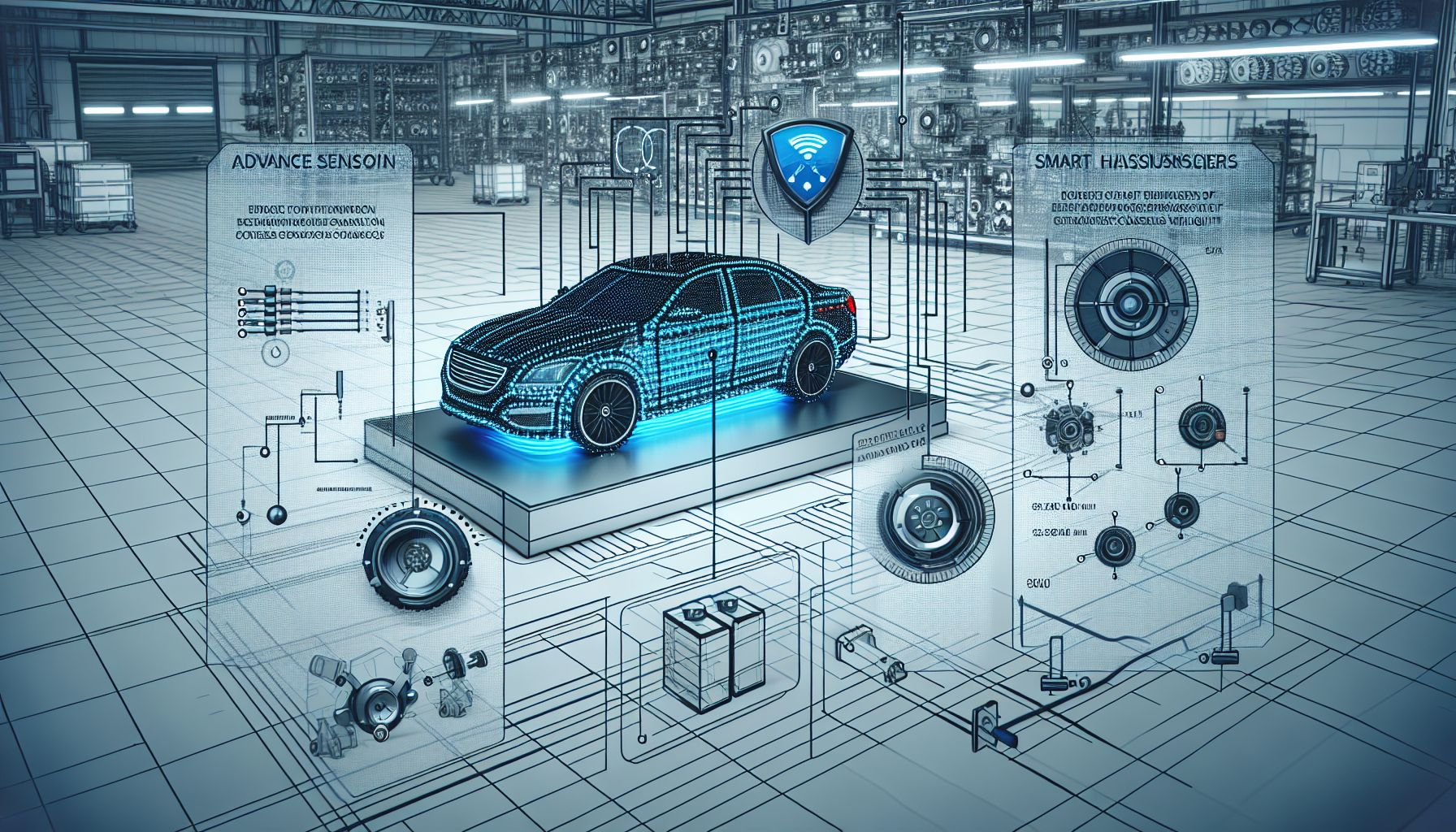
ZF’s Smart Chassis Sensors, integrated into Cadillac CELESTIQ’s suspension, enhance vehicle dynamics by improving data quality while reducing sensor complexity and weight.
Integration of Smart Chassis Sensors
ZF Friedrichshafen AG has pioneered the integration of its Smart Chassis Sensors into Cadillac’s all-electric CELESTIQ luxury sedans. These sensors are strategically embedded in the ball joints of the four-wheel suspension system, directly influencing the dynamism of vehicle data collection. This development signifies an important milestone in automotive innovation by eschewing traditional complex height sensors in favor of lightweight and efficient smart sensors [1].
Technical Advancements in Sensor Technology
The Smart Chassis Sensor uses algorithms to assess the relative movement of the vehicle suspension, thereby determining ride height with superior precision. This technological leap allows for enhanced electronic control over integral vehicle functions such as damping and headlamp leveling, ultimately making vehicles more robust and less susceptible to environmental conditions [1][2][3].
Impact on the Automotive Market
As the automotive industry leans towards software-defined vehicles, the adoption of intelligent sensors like ZF’s Smart Chassis Sensor becomes increasingly relevant. Such technologies are not only pivotal for providing a seamless user experience but also open new avenues for business models within the automotive sector. By delivering high-quality and reliable data, these sensors can be integrated into various applications, such as road condition monitoring, enhancing both vehicle adaptive systems and infrastructure maintenance [4][5].
European Standards and Market Trends
With the Smart Chassis Sensor, ZF aligns closely with European standards of automotive innovation, emphasizing sustainability and efficiency. By reducing sensor weight and complexity, the technology supports the overarching goal of developing eco-friendly and technologically advanced vehicles. The market implications are profound, as manufacturers seek to integrate such innovations to remain competitive amidst growing demands for smart and sustainable vehicle solutions [6].