Raspberry Pi E-Paper Weather Display Gets Innovative Upgrade
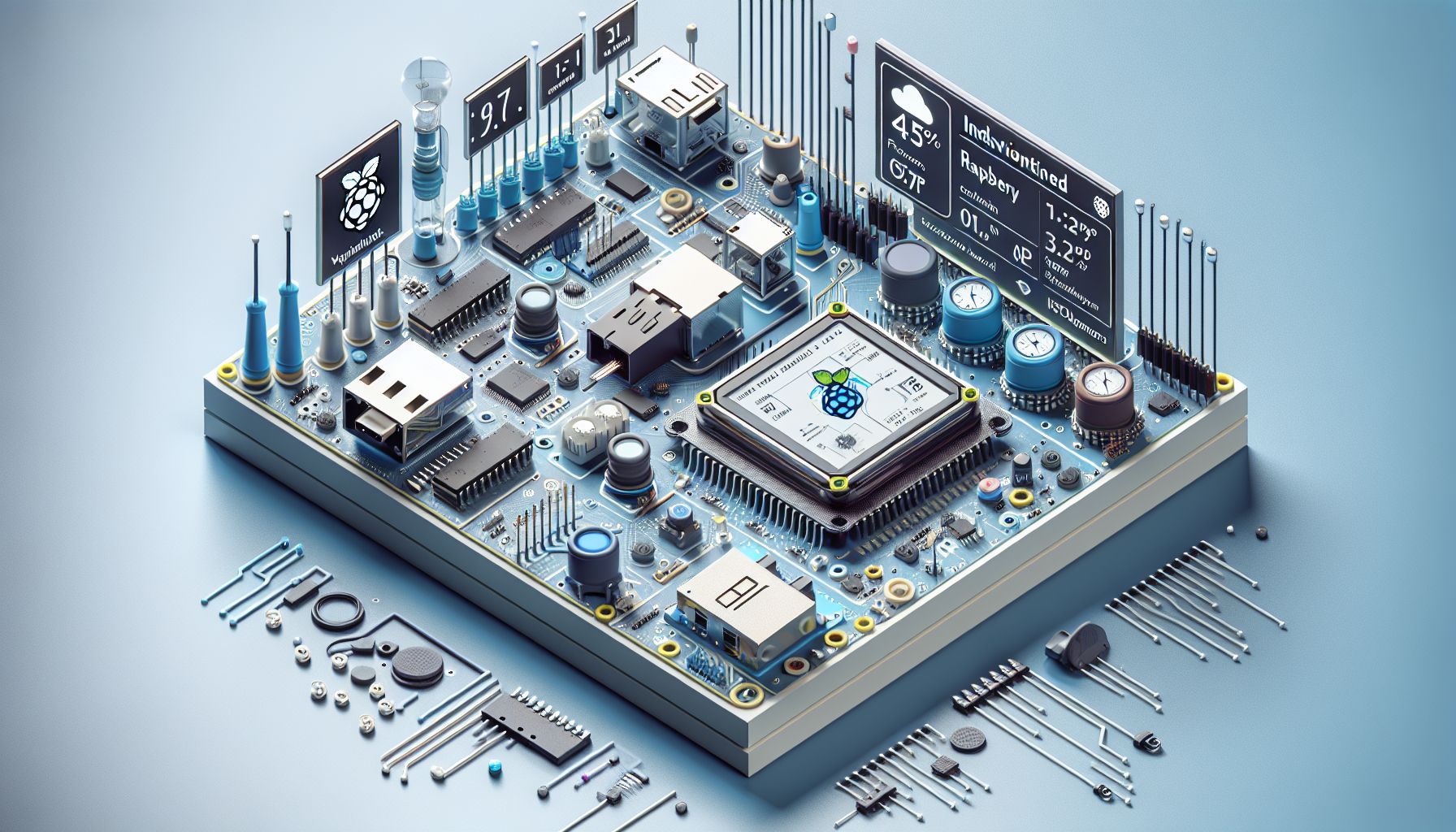
Global, Sunday, 3 November 2024.
A DIY enthusiast revamps their Raspberry Pi-powered e-paper weather display, showcasing advancements in IoT technology. The project, four years in the making, demonstrates the evolving capabilities of e-ink displays for practical, low-power applications.
Harnessing E-Paper Technology
The Raspberry Pi e-paper weather display project exemplifies the seamless integration of modern IoT technology with practical everyday applications. Utilizing Waveshare’s 2.15-inch e-paper display, known for its ultra-low power consumption and impressive visibility under various lighting conditions, this project highlights the advantages of e-ink technology. These displays require power only for refreshing, making them ideal for continuous, passive data display[1].
Innovative Hardware and Software Integration
The upgraded weather display incorporates not only an enhanced e-paper module but also leverages the Raspberry Pi’s GPIO capabilities for improved interactivity. By integrating a 40-pin GPIO header and SPI control interface, the project enables seamless communication between the Raspberry Pi and the e-paper display, facilitating real-time weather updates and user customization[2]. The use of a Raspberry Pi 4B board further enhances processing power and connectivity, allowing for more complex data processing and graphical displays.
Step-by-Step Project Guide
To recreate this advanced e-paper weather display, enthusiasts will need several key components: a Raspberry Pi 4B, a Waveshare 2.15-inch e-paper display, a power supply, and a microSD card with pre-installed Raspbian OS. The circuit design involves connecting the e-paper display to the Raspberry Pi via the SPI interface, ensuring all necessary pins (including power, ground, data/command, and chip selection) are correctly aligned. Sample code for fetching and displaying weather data can be written in Python, utilizing libraries such as ‘requests’ for HTTP requests and ‘PIL’ for image processing.
Practical Applications and Future Potential
This project’s success underscores the potential for e-paper technology in various IoT applications, such as smart home displays and portable information screens. Its low power requirements and readability in different lighting conditions make it an attractive option for continuous data display without the need for frequent recharging. As technology evolves, future iterations may see even more advanced features, including color displays and touch interactivity, further broadening the scope of e-paper applications[3].