Climate Change Disrupts Semiconductor Industry with Copper Supply Risks
London, Tuesday, 8 July 2025.
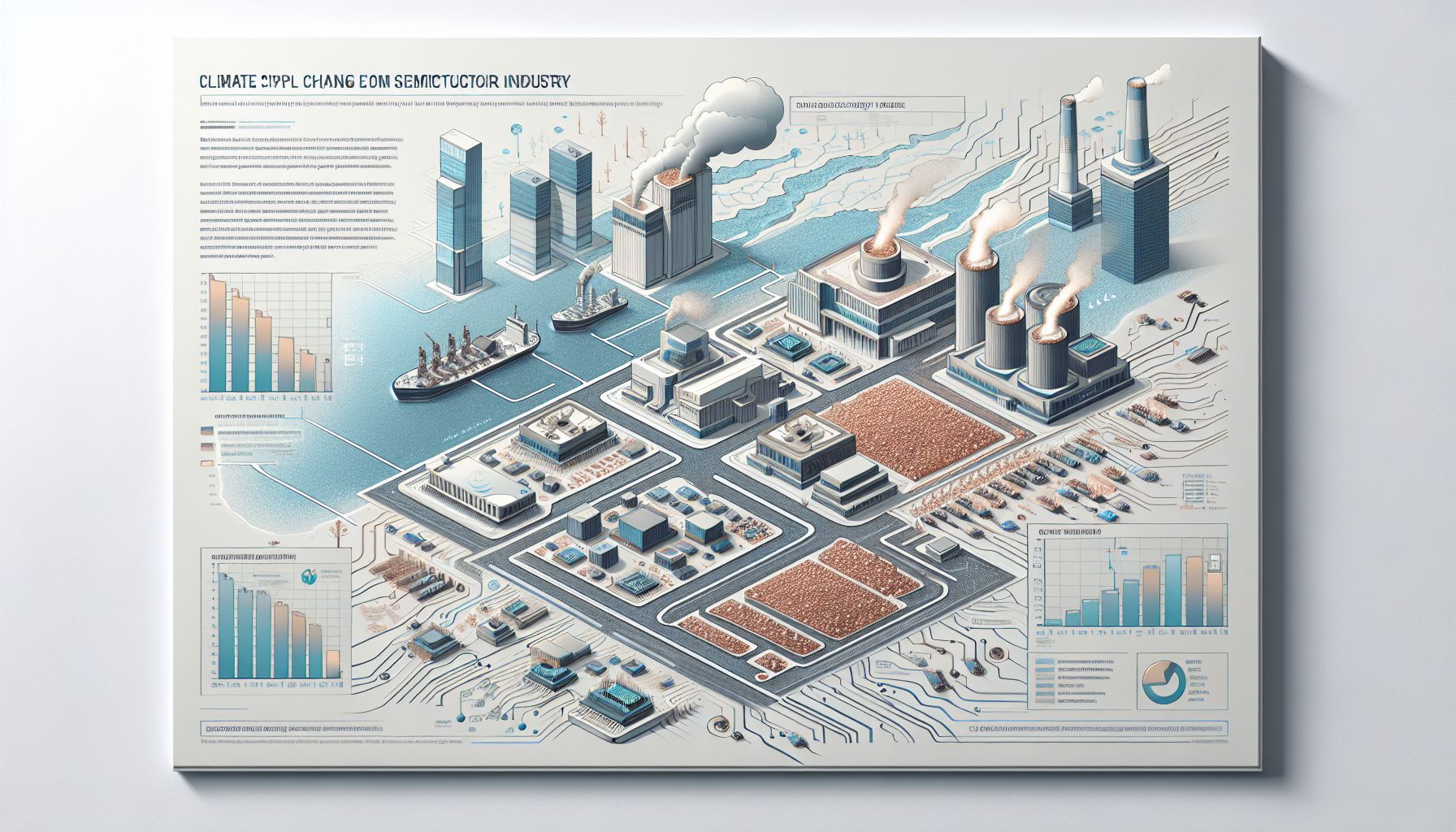
Droughts in copper-producing regions threaten semiconductor manufacturing, highlighting vulnerability to climate-induced disruptions. Experts call for strategic planning to safeguard materials critical to tech industries.
The Role of Copper in Semiconductors
Copper is essential in semiconductor manufacturing, used in circuit boards, cabling, and microchip interconnects. However, the industry is facing potential supply challenges due to climate change-induced droughts affecting major copper-producing regions such as Chile. With copper mines requiring a steady water supply, droughts pose a significant risk to their operational viability [1][2].
Projected Impacts and Market Data
A PricewaterhouseCoopers (PwC) report foresees that by 2035, 32% of global semiconductor production will depend on copper supplies at risk from climate disruption. If no action is taken, the risk is expected to rise to 58% by 2050 [1]. Meanwhile, the International Energy Agency (IEA) projects that copper supplies will fall short by 30% of the required volume by 2035 if current trends continue [1]. Despite these challenges, global semiconductor sales reached $59 billion in May 2025, reflecting a 19.8% year-on-year increase [3].
Threats to Europe’s Electronics Sector
The European electronics sector, which shows some resilience, could face significant impacts due to these supply constraints. The semiconductor industry’s reliance on copper makes it particularly vulnerable as climate change continues to threaten raw material availability [4]. Recognizing these threats, a roundtable scheduled for July 31, 2025, will address Europe’s electronics supply chain resilience, focusing on mitigating risks associated with climate change and geopolitical tensions [2].
Strategic Responses and Solutions
Experts stress the need for strategic planning to mitigate these risks. Glenn Burm from PwC emphasizes understanding and managing supply chain risks, including the physical risks posed by climate change [1]. Some industry players are exploring alternative sourcing and recycling of copper, with an estimated 800,000 metric tons potentially harvestable in the next decade [1]. Other solutions include ongoing investments in advanced manufacturing and the development of new technologies to reduce dependency on vulnerable supply chains [5].