ORCA's PT-2: A Leap Forward in Photonic Quantum Computing
N/A, Monday, 11 November 2024.
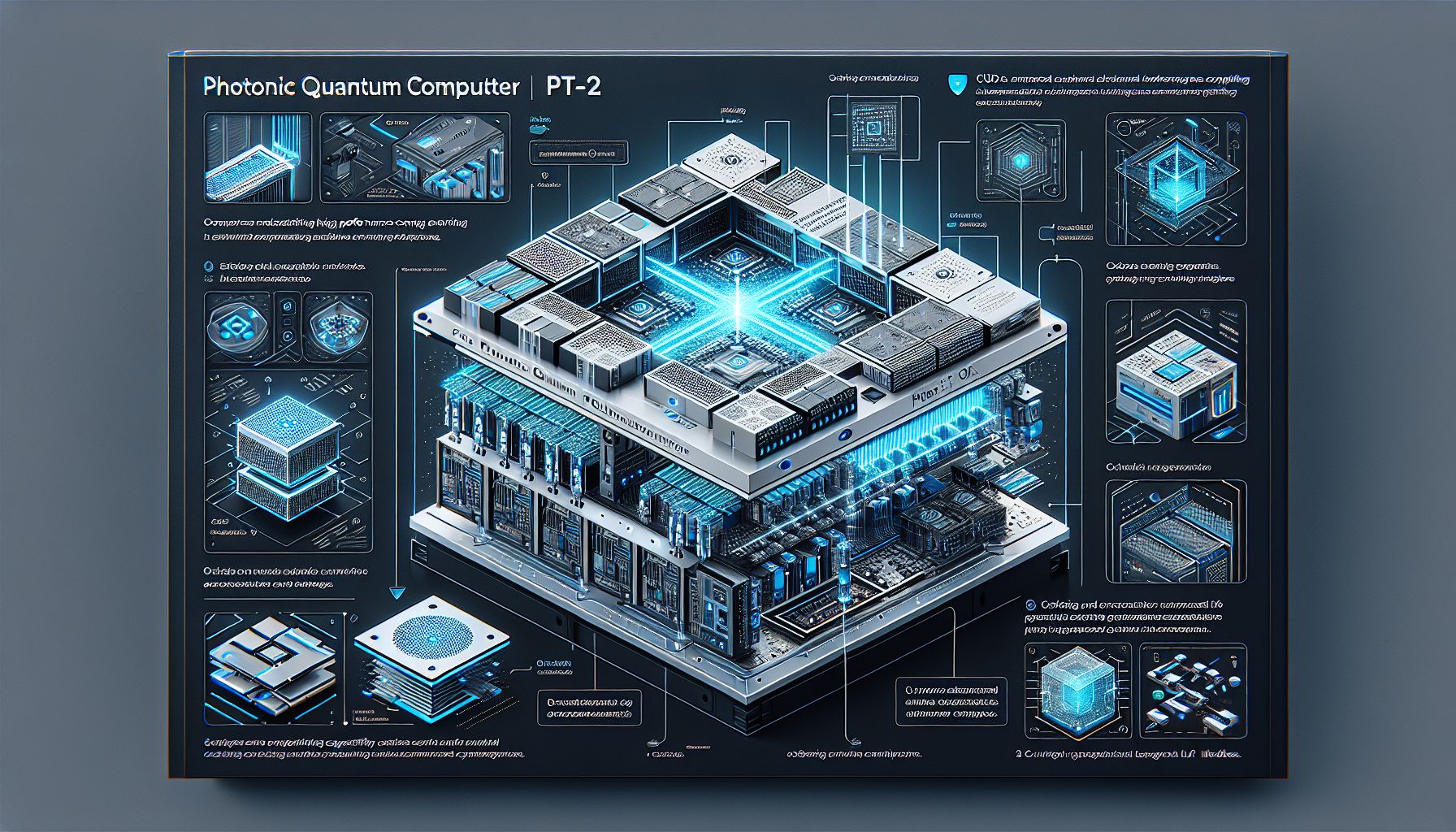
Orca Computing launches PT-2, a photonic quantum computer designed for seamless integration with existing HPC environments. Featuring quantum-enhanced machine learning capabilities, it aims to revolutionize industrial-scale quantum AI by combining with Nvidia’s CUDA-Q platform and current generative AI models.
Introduction to PT-2
In the rapidly evolving landscape of quantum computing, Orca Computing’s launch of the PT-2 marks a significant milestone. This photonic quantum computer is not just a new addition to the family of quantum technologies but a transformative leap that promises to integrate effortlessly with high-performance computing (HPC) and data center environments. By harnessing quantum-enhanced machine learning capabilities, the PT-2 is set to redefine the boundaries of industrial-scale quantum AI applications.
Technological Advancements
The PT-2 builds upon its predecessor, the PT-1, by offering enhanced features that cater to the growing demands of quantum-computing applications. Orca’s new system is compatible with Nvidia’s CUDA-Q development platform, allowing it to seamlessly merge with existing generative AI models. This integration facilitates the embedding of quantum computing into generative AI and optimization workflows, thus expanding the potential applications of quantum technology in industry[1].
Industry Implications
By deploying the PT-2, Orca is enabling organizations to explore new applications without the need for substantial additional investments. Richard Murray, Co-founder and CEO of Orca Computing, emphasized that their goal is to unlock new applications and drive industry transformation through accessible quantum technology. This approach not only opens up future innovations but also ensures that customers can continuously benefit from the latest in quantum advancements without disruptive overhauls to their existing systems[1].
The Role of the National Quantum Computing Centre
As part of their strategic rollout, Orca will deploy an integrated GPU processing quantum computing testbed at the National Quantum Computing Centre (NQCC) in Harwell, UK. This initiative, described as an ‘industry-first’ by Orca, aims to accelerate the development and testing of photonic quantum architectures. The focus here is on machine learning with hybrid quantum and classical neural networks, which could set the stage for future breakthroughs in quantum processors[1].
Conclusion
The launch of the PT-2 by Orca Computing signifies a pivotal shift in the quantum computing industry. With its advanced capabilities and strategic integration with existing technologies, the PT-2 is poised to lead the charge in transforming how industries leverage quantum computing for AI and optimization. As the field continues to evolve, Orca’s commitment to innovation and accessibility will likely play a crucial role in shaping the future of quantum technology.