Revolutionizing Computing with GNRFET and RRAM Integration
Research is generally located at IEEE, with institutions across the globe., Wednesday, 6 November 2024.
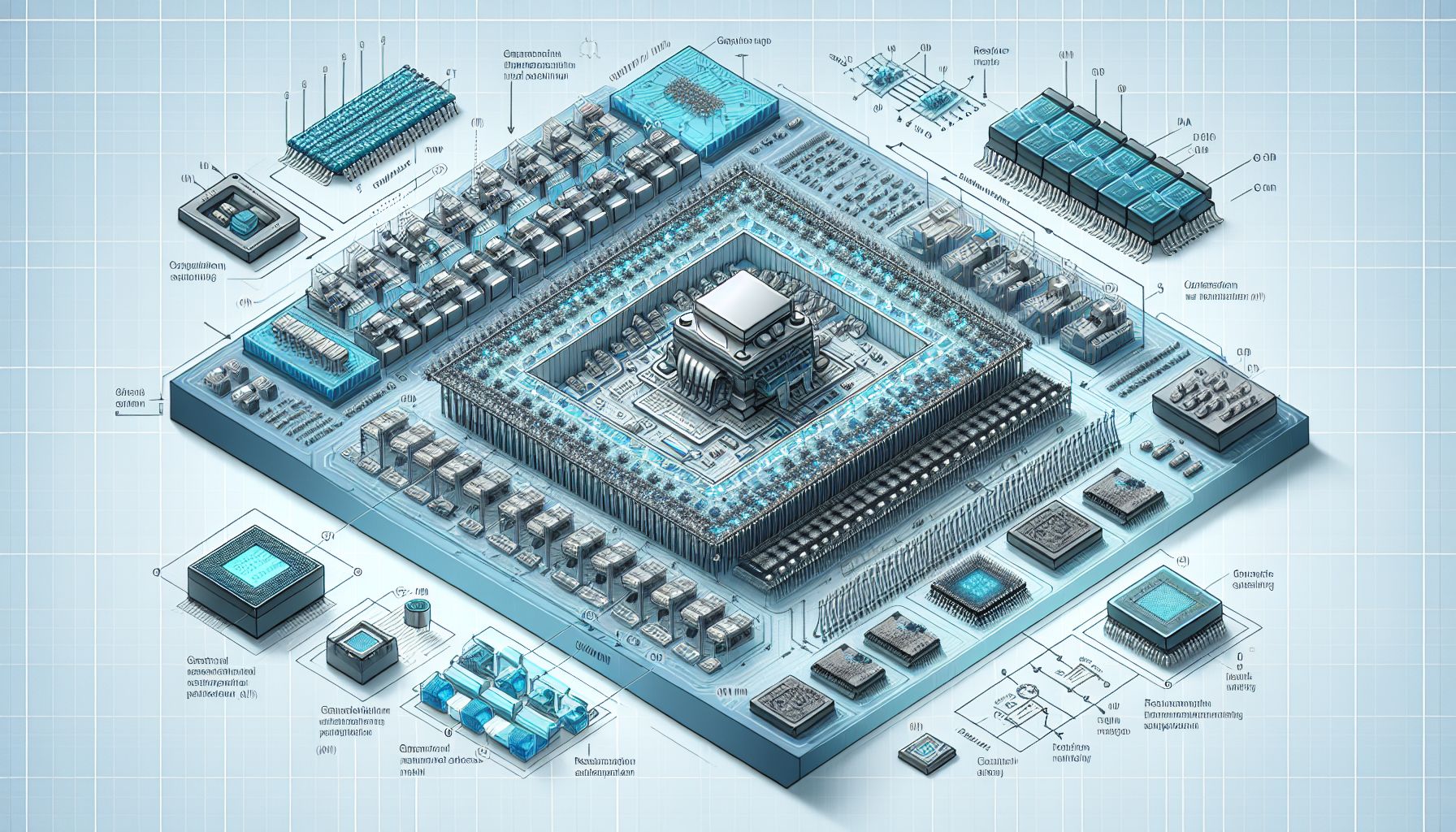
Researchers are exploring the integration of Graphene Nanoribbon Field-Effect Transistors (GNRFET) and Resistive Random Access Memory (RRAM) to create advanced multi-valued logic circuits. This innovative approach promises to enhance computing efficiency and performance by leveraging the unique properties of these emerging technologies. The integration could lead to more powerful and energy-efficient computer designs, potentially transforming the landscape of modern computing.
Understanding the Fundamentals
The exploration of Graphene Nanoribbon Field-Effect Transistors (GNRFETs) and Resistive Random Access Memory (RRAM) technologies marks a pivotal development in the field of electronics, specifically in the realm of multi-valued logic (MVL) circuits. GNRFETs stand out due to their exceptional electrical properties, which include high carrier mobility and excellent thermal conductivity, making them ideal for high-performance applications. Meanwhile, RRAM offers versatility with its ability to store multiple resistance states within a single cell, a feature that is invaluable for MVL design. This integration aims to capitalize on these complementary strengths to innovate circuit design and operation[1].
Practical Applications and Examples
One of the most promising applications of integrating GNRFETs and RRAM is in the development of energy-efficient computing systems. By utilizing these technologies, researchers are working towards creating MVL circuits that not only reduce power consumption but also increase the information density, a crucial factor in the advancement of computational capabilities. For instance, in designing multi-valued logic gates, the distinct electrical characteristics of GNRFETs combined with the multi-state capacity of RRAM can significantly enhance the power-delay product (PDP), which is a critical performance metric in digital circuits. Such innovations could lead to substantial gains in processing speed and energy efficiency, especially in data-intensive applications like artificial intelligence and big data analytics[1][2].
Potential Impact on Future Technologies
The potential impact of GNRFET and RRAM integration extends beyond enhancing current technologies; it is poised to redefine the architecture of future computing systems. Hybrid GNRFET-RRAM designs, for example, are being explored for their ability to optimize circuit metrics such as power consumption, delay, and overall computational efficiency. This could pave the way for the development of more compact and efficient electronic devices, which are crucial for the advancement of technologies like the Internet of Things (IoT) and wearable electronics. Moreover, the research into these hybrid architectures could lead to breakthroughs in areas such as neuromorphic computing, where mimicking the human brain’s neural networks requires highly efficient and dense memory storage solutions[3].
Resources for Further Learning
For those interested in delving deeper into the integration of GNRFETs and RRAM technologies, several resources are available. IEEE Xplore offers extensive documentation and papers on the subject, providing insights into the latest research findings and technological advancements. ResearchGate also hosts a variety of publications that explore the structural and functional aspects of GNRFETs, offering detailed diagrams and simulations that can aid understanding. Additionally, educational platforms and online courses focused on nanotechnology and advanced semiconductor devices can provide foundational knowledge that supports further exploration into this cutting-edge field[1][2][3].