Community Insights Shape PCB Design for ESP32 and SIM808 Integration
Online, Monday, 28 October 2024.
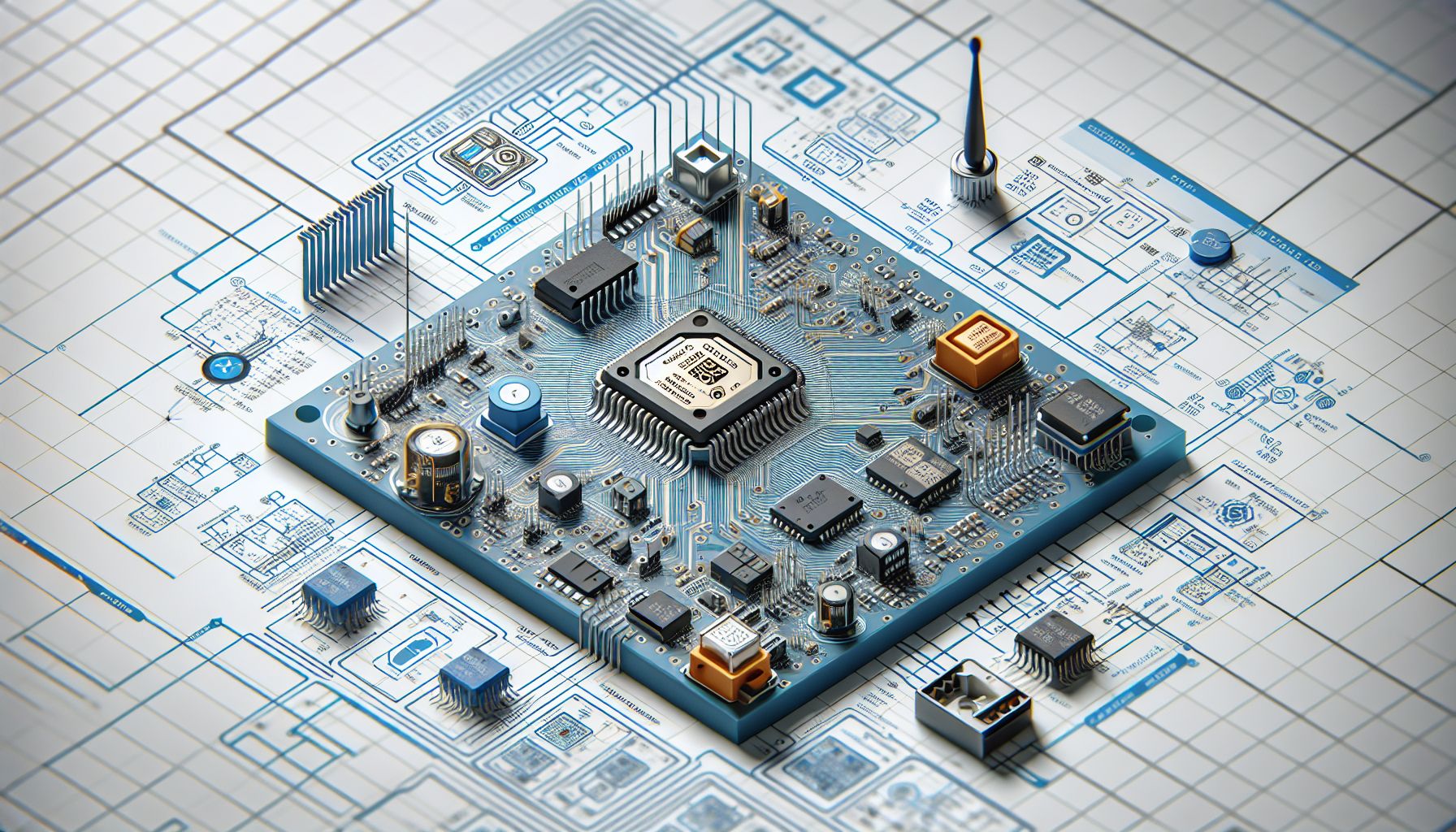
Discover how feedback from electronics enthusiasts is influencing PCB designs integrating ESP32, SIM808, and various sensors. Learn about power management challenges, antenna placement considerations, and the importance of clear schematics in complex circuit designs.
The Role of Community Feedback in PCB Design
In the rapidly evolving field of electronics, community feedback has become a pivotal factor influencing the design and integration of new technologies. This is particularly evident in projects involving the ESP32 microcontroller, SIM808 module, and various sensors like the MLX90614, MPU-9250, and APDS-9960. Enthusiasts and experts alike contribute their insights on forums and platforms dedicated to electronics design, highlighting both challenges and innovative solutions. These discussions not only refine individual projects but also set new standards for improvements in power management, signal integrity, and component layout.
Designing with ESP32 and SIM808: Challenges and Innovations
The integration of ESP32 with SIM808 presents unique challenges, particularly in managing power stability and antenna placement. The SIM808 module, essential for GPS and GPRS functionalities, requires meticulous attention to its power supply arrangement, especially when switching between USB and battery power. Feedback from the community underscores the necessity of optimizing power consumption through techniques such as employing the ESP32’s deep sleep mode. Additionally, antenna layout demands careful consideration to ensure RF signals are isolated from other traces, thus preventing interference and ensuring reliable communication[1].
Importance of Clear Schematic Design
A recurring theme in community feedback is the emphasis on clear and standardized schematic design. Proper schematic conventions, such as orienting positive power rails upwards and ground rails downwards, significantly enhance readability and troubleshooting efficiency. Contributors advise against overlapping traces and recommend the use of 100nF decoupling capacitors to mitigate high-frequency noise near critical components like the SIM808. Such clarity not only aids in the design process but also facilitates easier collaboration and feedback from the electronics community[2].
Practical Applications and Future Prospects
The insights gathered from community feedback are not only instrumental in improving current PCB designs but also pave the way for future innovations. The practical applications of these projects are vast, ranging from IoT devices to advanced sensor networks. As electronics enthusiasts continue to share their experiences and recommendations, the quality and efficiency of PCB designs are expected to advance, fostering a culture of shared knowledge and continuous improvement. This collaborative approach is vital in keeping pace with the fast-paced evolution of electronic technologies[3].