Ensuring EMC Compliance: Key to Success in Automotive Electronics
New York, Tuesday, 12 August 2025.
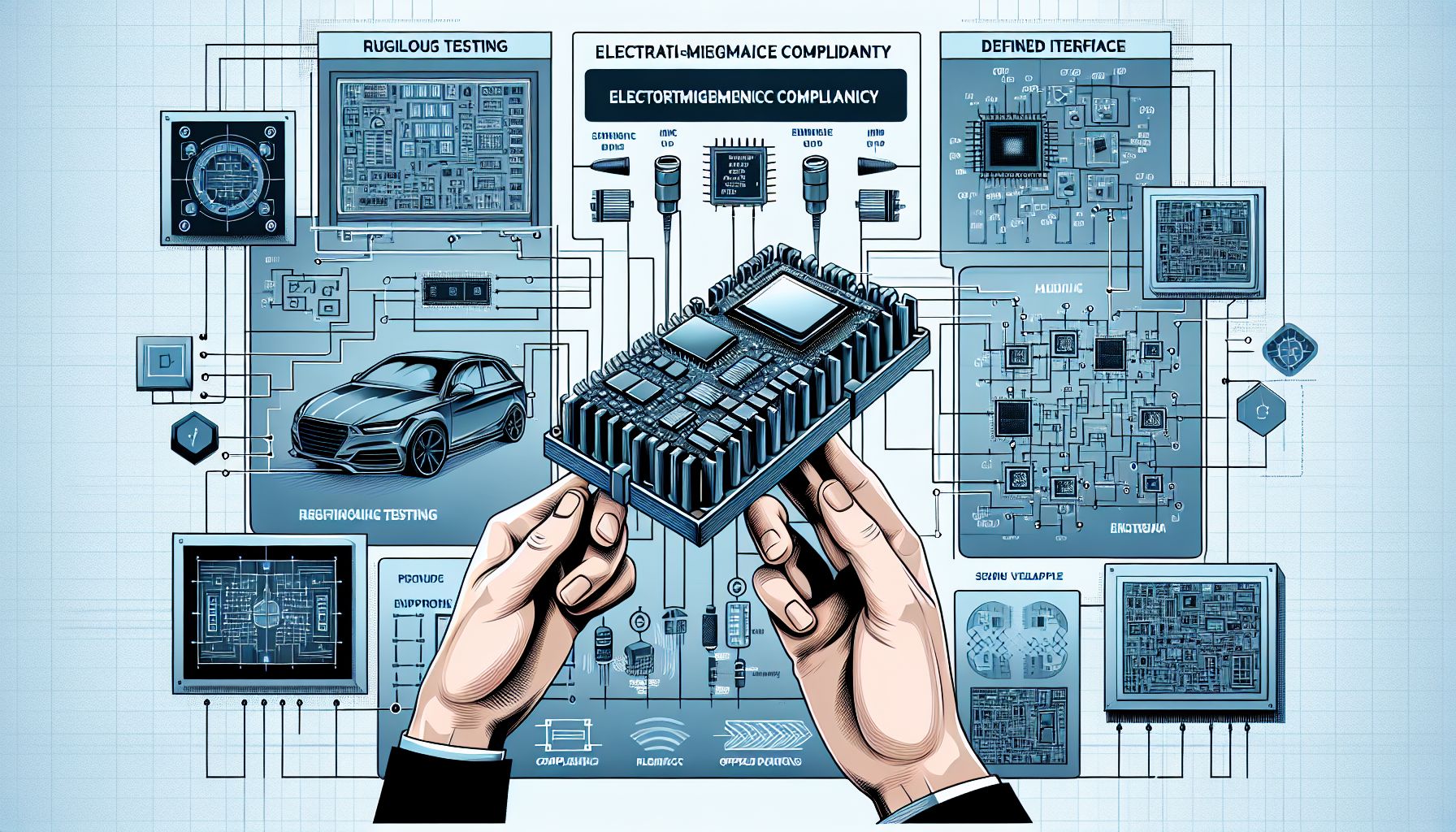
Recent discussions urge manufacturers to prioritize electromagnetic compatibility in automotive electronics, emphasizing rigorous testing and defined interface parameters for seamless integration of components.
The Growing Relevance of Electromagnetic Compatibility
In the rapidly advancing field of automotive electronics, the importance of electromagnetic compatibility (EMC) is now more crucial than ever. EMC is critical because modern vehicles integrate vast arrays of electronic systems, including safety features like advanced driver-assistance systems (ADAS), infotainment systems, and powertrains. According to the IEEE, EMC compliance ensures that all these electronic components function without mutual interference, thereby guaranteeing vehicle safety and reliability [1].
European Standards and EMC Testing
The European automotive industry adheres to stringent EMC standards that mandate testing at various stages of vehicle development. The EMC Europe 2025 event highlighted advances in EMC compliance testing, including techniques for testing conducted and radiated emissions up to 44 GHz [2]. Such standards are vital for manufacturers to meet regulatory requirements and avoid costly recalls or compliance issues. Bench and vehicle tests offer different insights into EMC, suggesting a mixed approach for optimal results [3].
Market Implications of EMC Compliance
The global automotive electronics market is projected to grow significantly, valued at $607,574.4 million by 2032, driven by advancements in EMC standards and rising electric vehicle demand [4]. The increasing inclusion of electronic components in vehicles, constituting approximately 40% of components, underscores the need for robust EMC practices to prevent interference and ensure smooth operation [1][4]. Market leaders such as Robert Bosch GmbH and Infineon Technologies AG are continuously innovating to enhance EMC compliance, aligning with emerging regulations and safety norms [4].
Future Directions in EMC for Automotive Development
With growing vehicle electrification, the role of EMC remains at the forefront of automotive design. Dr. Guido Rasek’s recent lecture at Hamburg University of Technology reinforced the challenges EMC engineers face with powertrain electrification, emphasizing the need for ongoing innovation in EMC solutions [5]. The development of standards and solutions for EMC in the context of electric vehicles will be pivotal in shaping future automotive technologies, ensuring that they comply with both regulatory standards and consumer expectations for safety and reliability [2][5].
sources
- ieeexplore.ieee.org
- www.rohde-schwarz.com
- ieeexplore.ieee.org
- www.electronicspecifier.com
- www.tet.tuhh.de