Revolutionary Synthetic Biosensors Enhance Precision in Cancer Therapy
Evanston, Friday, 22 August 2025.
Professor Josh Leonard introduces synthetic biosensors that enable immune cells to target cancer-specific biochemical markers, marking a breakthrough in precision medicine and promising improved cancer patient outcomes.
Introduction to Synthetic Biosensors
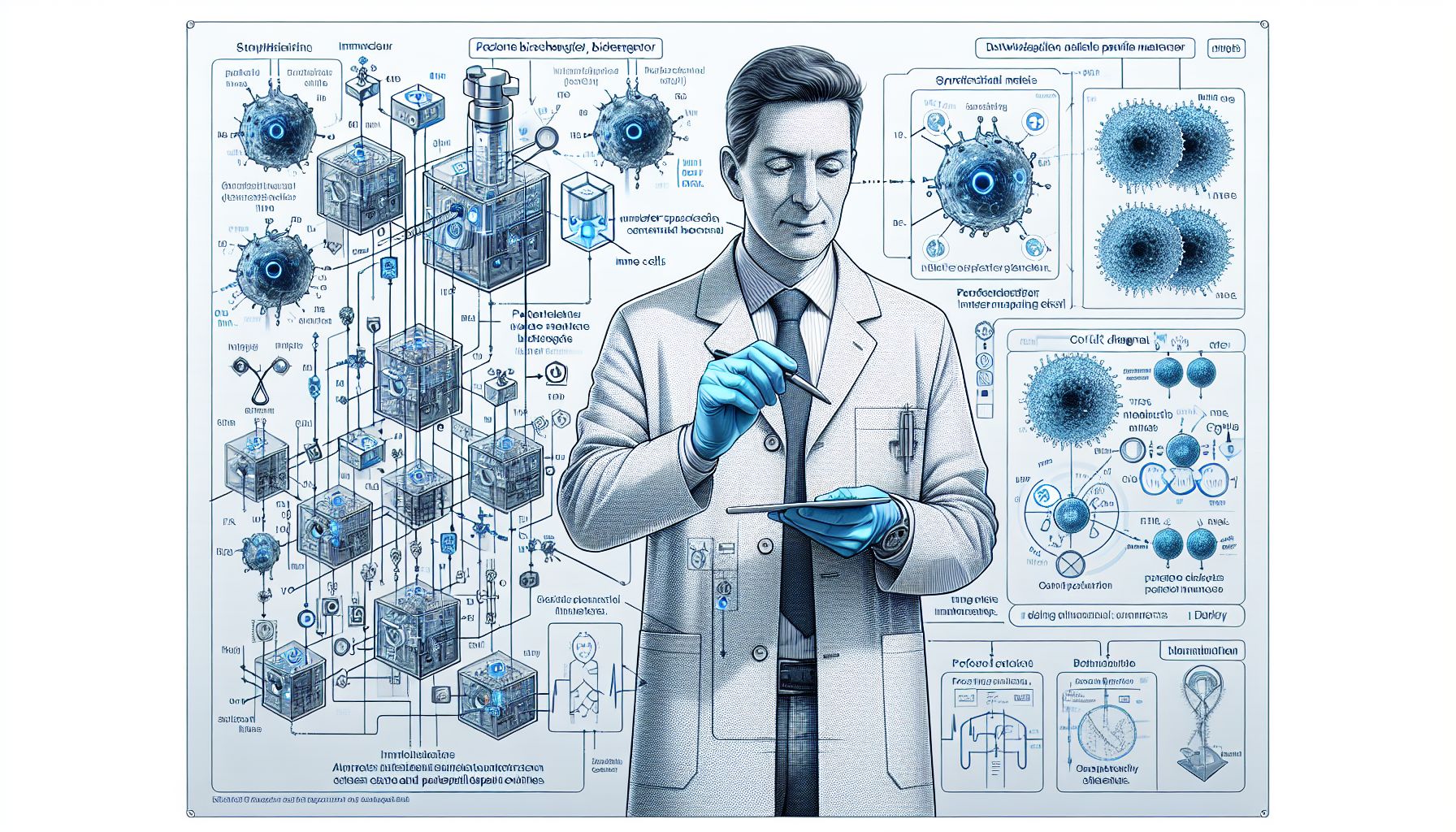
In a pioneering advancement in the field of cancer therapy, synthetic biosensors have been developed by Professor Josh Leonard and his research team at Northwestern University. These biosensors equip immune cells with the ability to accurately detect biochemical markers associated with cancerous tissues. By targeting specific molecules such as interleukin-10, these biosensors enable early intervention and tailored therapies, thereby enhancing the precision of cancer treatments and contributing significantly to the realm of precision medicine [1][2].
Technical Specifications and Mechanism
The core of this innovation lies in the engineering of synthetic receptors known as Natural Ectodomain (NatE) MESA, which enable immune cells to recognize disease-specific molecular fingerprints. This mechanism significantly reduces the likelihood of immune cells attacking healthy tissues, a common risk associated with conventional cell therapies like CAR-T cells, which often lack the precision to distinguish between healthy and diseased tissues [1]. The NatE MESA receptors remain dormant until activated by the presence of a disease-specific signal, ensuring that therapeutic actions are precisely targeted and executed only when necessary [1].
Integration Guidance and Applications
For effective deployment, these synthetic biosensors can be integrated into current cellular therapies to enhance their specificity and safety. The sensors were meticulously designed to ensure compatibility with existing therapeutic frameworks, allowing them to be seamlessly incorporated into ongoing cancer treatment programs. Their application extends beyond oncology, showing potential in managing chronic diseases by enabling immune cells to react selectively to pathogenic encounters [1][2]. This advancement has the potential to revolutionize therapeutic strategies, improving the safety and efficacy of treatments offered to patients [2].
Impact and Future Prospects
The introduction of these biosensors represents a transformative leap, promising to set new standards in cancer therapy. By aligning therapeutic responses with precise molecular cues, they offer a pathway to more effective and minimally invasive treatments. According to Professor Leonard, the vision is to extend this technology’s application, potentially opening new frontiers in the treatment of not only cancer but other complex diseases. This breakthrough paves the way for what could be a pivotal change in how cell-based therapies are developed and applied, suggesting a future where treatments are highly specialized and patient-specific [1][2].