U.S. Army Selects Ghost-X sUAS for Company-Level Operations
USA, Wednesday, 23 October 2024.
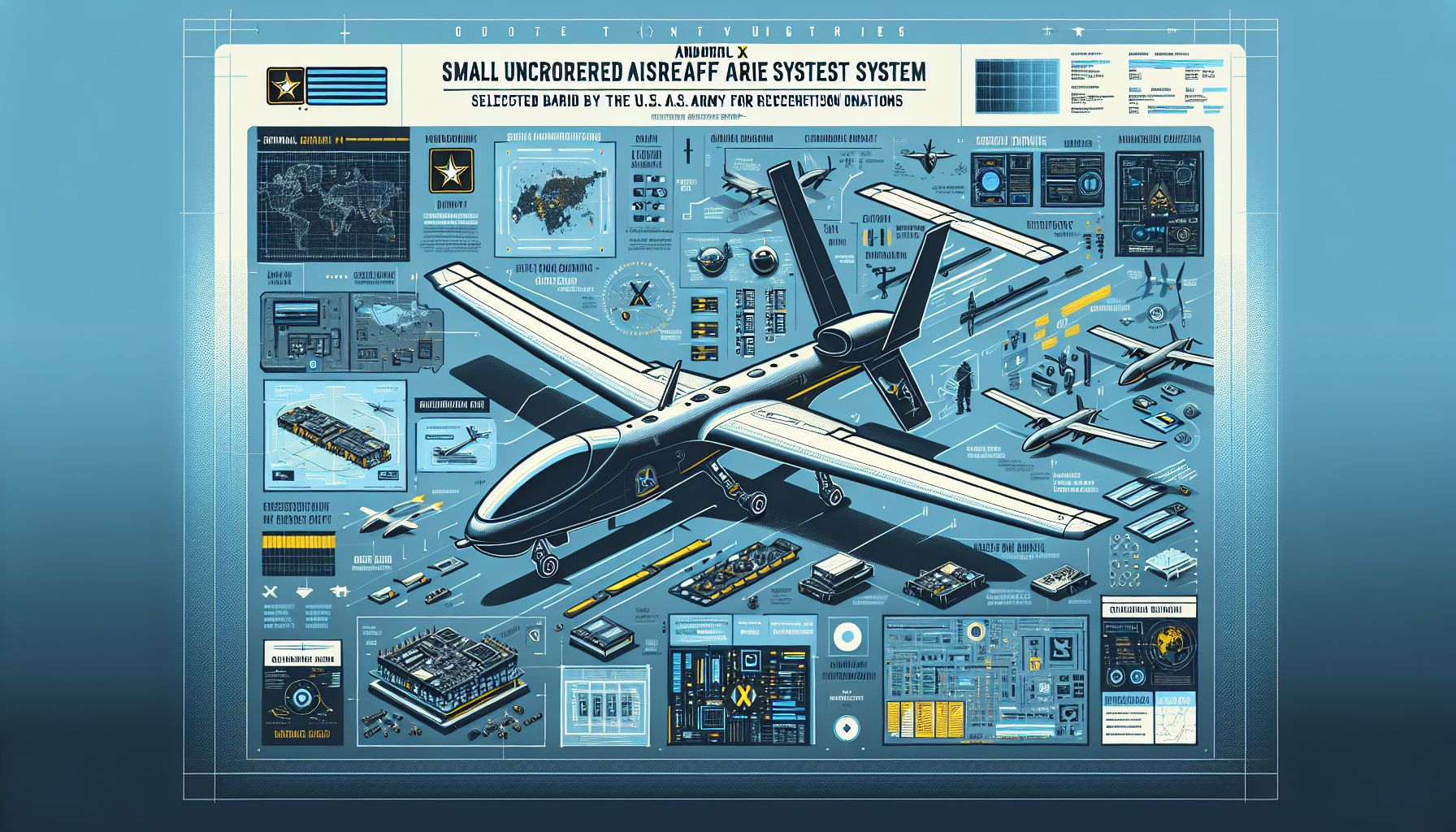
Anduril Industries’ Ghost-X small uncrewed aircraft system has been chosen by the U.S. Army for its Company Level Small Unmanned Aircraft System program. Set for deployment later this year, the Ghost-X will enhance medium-range reconnaissance capabilities in contested environments, offering multi-mission functionality through Anduril’s Lattice control software.
Next-Generation Power Electronics in Military Systems
The integration of advanced power electronics in unmanned military systems, such as the Ghost-X small uncrewed aircraft system, marks a significant evolution in military technology. These next-gen power solutions are instrumental in transforming radar and communications technology, enhancing the operational capabilities of unmanned systems in various terrains and combat environments. Power electronics are not only crucial for the efficiency of these systems but also for their adaptability in real-time combat scenarios.
The Role of Anduril’s Lattice Software
At the core of the Ghost-X’s functionality is Anduril’s Lattice command and control software, which enables a single operator to manage multiple units simultaneously. This software is designed to optimize mission execution through seamless integration with the unmanned system’s power electronics, allowing for enhanced surveillance, targeting, and communications relay. The Lattice software’s flexibility and efficiency demonstrate the critical role of integrated power solutions in modern military operations, where rapid response and adaptability are paramount.
Implications for Future Military Operations
The deployment of systems like the Ghost-X reflects broader trends in military strategy, where the emphasis is on leveraging technology to maintain tactical advantages. The ability to deploy unmanned systems that integrate advanced electronics and control software not only enhances reconnaissance capabilities but also supports complex mission profiles that require precision and reliability. As the U.S. Army continues to invest in these technologies, it underscores the importance of innovation in maintaining military superiority in contested environments.
Expert Insights on Unmanned Systems
Industry experts highlight the growing importance of power electronics in the development of unmanned systems. According to sources from the Military Embedded Systems publication, advancements in these technologies are pivotal for addressing the challenges of modern warfare, where electronic warfare and cyber threats are increasingly prevalent[1]. These insights underscore the strategic importance of integrating advanced electronics in maintaining the effectiveness and resilience of unmanned military systems.