Europe Leads with Embedded Processor Innovations
Pittsburgh, Monday, 3 February 2025.
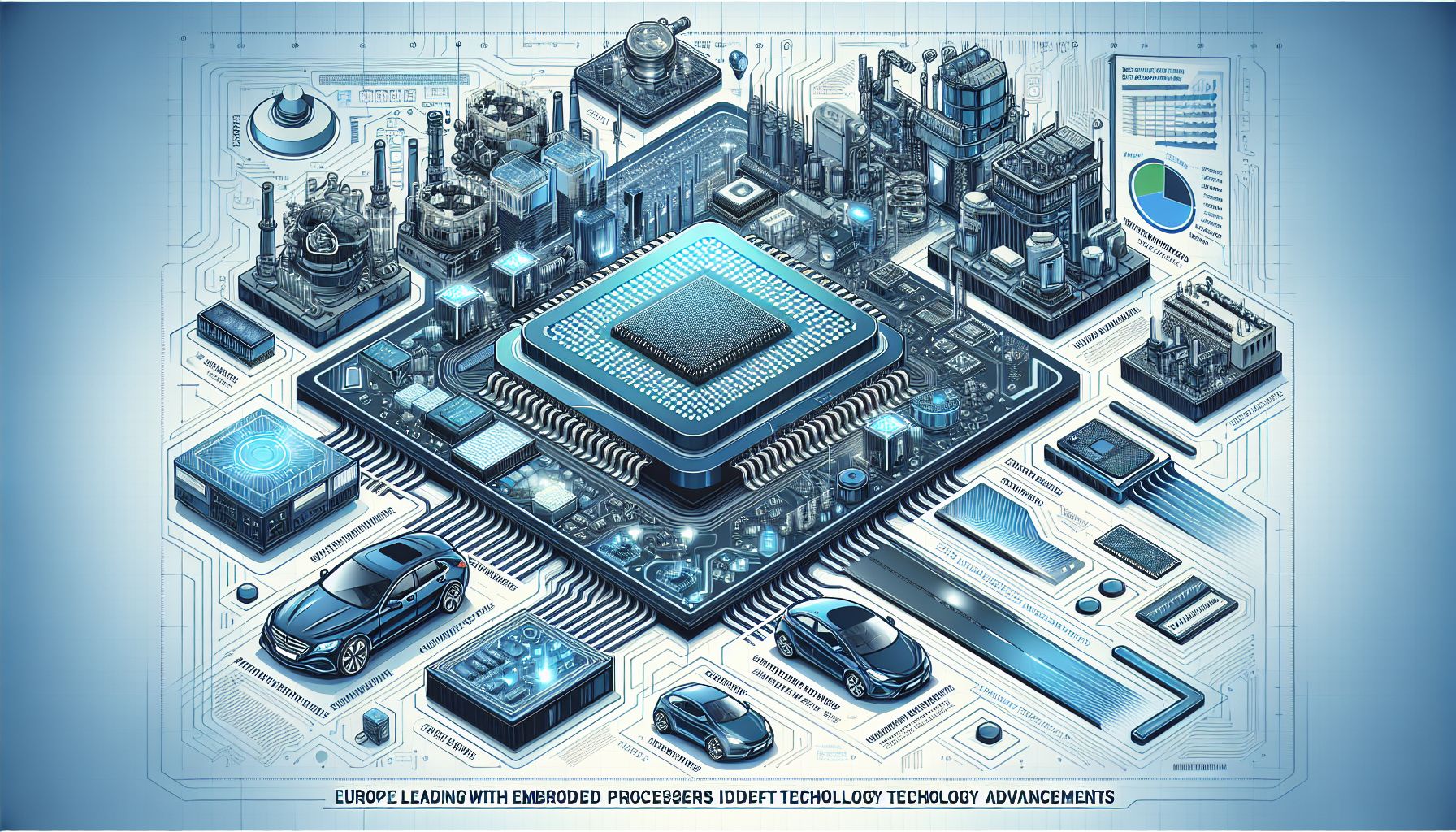
Europe is advancing embedded processor technology to tackle complex challenges in sectors like automotive and automation, enhancing the region’s tech landscape.
Regional Leadership in Embedded Computing
European initiatives are driving significant progress in embedded computing systems, with HiPEAC leading collaborative efforts since 2004 [4]. The convergence of embedded systems with high-performance computing has created new opportunities, particularly in real-world applications that require sophisticated processing capabilities [4]. Major industry players like Advantech are developing IoT hardware and software solutions with edge computing intelligence [2], while European research institutions focus on advancing processor architectures and system integration [4].
RISC-V’s Growing Impact
A notable development in European embedded systems is the increasing adoption of RISC-V architecture. This open-standard instruction set architecture, now managed by Switzerland-based RISC-V International [6], is gaining traction in embedded applications across the continent. The architecture’s flexibility and modular design make it particularly suitable for embedded systems, supporting various computing environments from personal computers to embedded applications [6]. Recent developments include mainline support in Linux kernel 5.17 and integration into major distributions [6], demonstrating its growing maturity for industrial applications.
Industrial Applications and Real-World Solutions
Contemporary embedded processors are revolutionizing industrial automation, as exemplified by Yaskawa’s TRITON system [7]. This innovative solution combines industrial Gigabit Ethernet communication with a powerful multi-core processor architecture, specifically designed for demanding PLC, motion, and robotics tasks [7]. The system demonstrates how modern embedded processors can handle complex industrial requirements while maintaining energy efficiency and security [7]. In educational settings, these advances are reflected in comprehensive study programs that focus on microprocessor structure, interfacing, and real-world problem-solving [1].
Security and Future Developments
As embedded systems become more sophisticated, security considerations are taking center stage. Modern embedded processors incorporate advanced security features such as secure boot capabilities and hardware-accelerated encryption [7]. Looking ahead, European initiatives continue to focus on developing more powerful and efficient embedded solutions, with particular emphasis on IoT integration and Industry 4.0 applications [2]. These developments are supported by a growing ecosystem of hardware and software tools, enabling faster development and deployment of embedded solutions [5].
sources
- catalog.upp.pitt.edu
- www.advantech.com
- www.eetimes.eu
- www.hipeac.net
- silvaco.com
- en.wikipedia.org
- www.embedded-world.de
- www.cs.pitt.edu