Hitachi Unveils Cutting-Edge Semiconductor Manufacturing Equipment
Tokyo, Thursday, 10 October 2024.
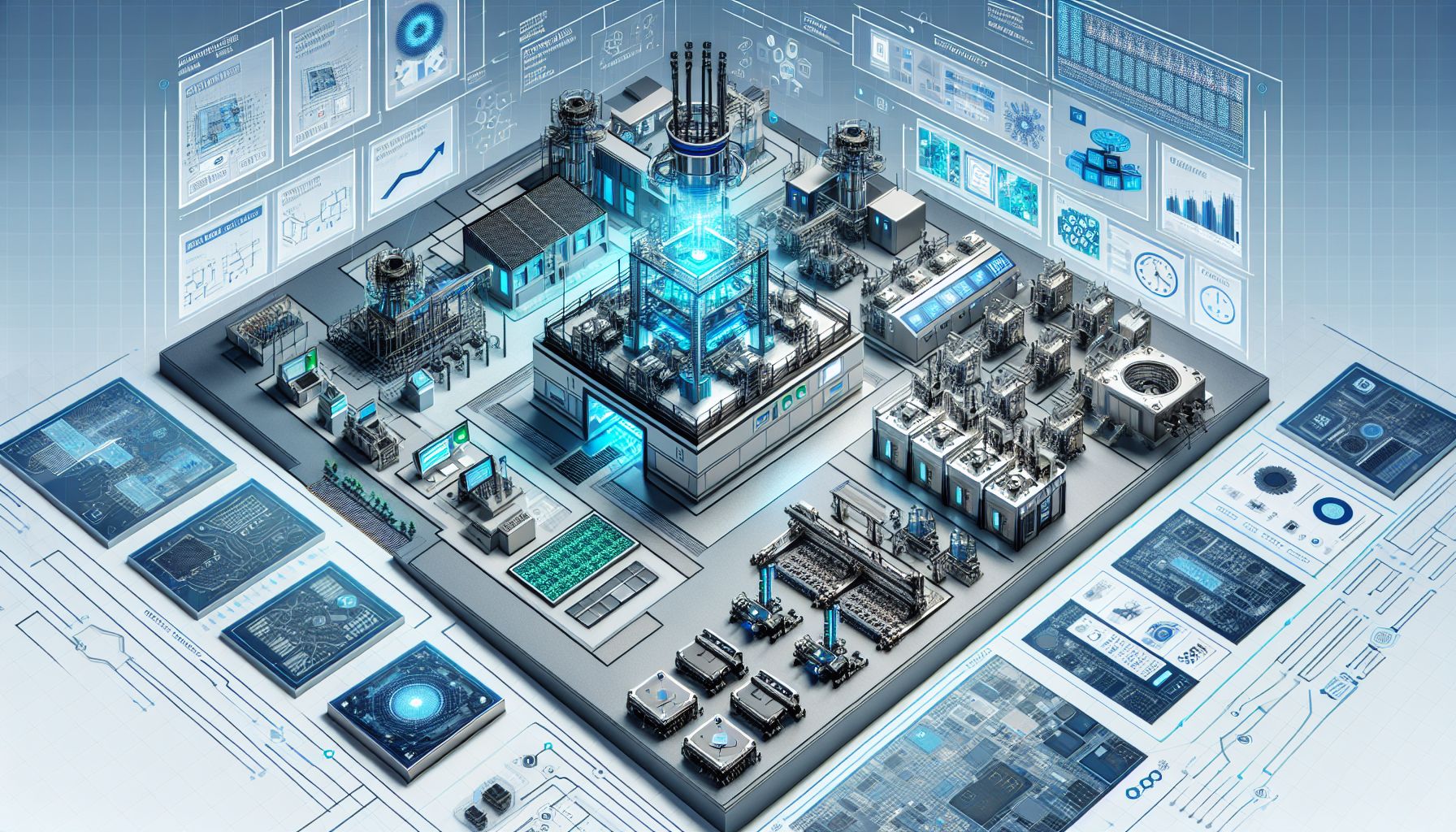
Hitachi High-Tech introduces advanced etch systems and defect inspection technology, marking a significant leap in semiconductor manufacturing efficiency. This development promises to revolutionize chip production processes, potentially addressing global semiconductor shortages and advancing technological capabilities across industries.
Key Features and Technological Advancements
Hitachi High-Tech’s latest offerings in semiconductor manufacturing equipment are set to transform the industry with their advanced etch systems and defect inspection technology[1]. The new etch systems are designed to enhance precision in the semiconductor fabrication process, allowing for more accurate patterning of integrated circuits. This precision is critical as the industry pushes towards smaller and more efficient chips. Furthermore, the defect inspection technology aims to significantly reduce production errors, improving yield rates and ensuring higher quality outputs. These advancements position Hitachi as a leader in addressing contemporary challenges in semiconductor manufacturing.
Implications for the Semiconductor Industry
The introduction of these cutting-edge technologies comes at a crucial time when the semiconductor industry is facing global shortages due to increased demand across various sectors, including automotive and consumer electronics[2]. Hitachi’s new equipment not only promises to boost production efficiency but also enhances the reliability of semiconductor devices. By minimizing defects and maximizing throughput, manufacturers can better meet the demands of emerging technologies such as 5G and AI, which require sophisticated and reliable semiconductor solutions.
Comparative Analysis with Industry Peers
When compared to other industry leaders such as Lam Research and Intel, Hitachi’s new offerings provide a competitive edge in terms of precision and defect management[3]. While Lam Research is known for its robust etch systems, Hitachi’s integration of advanced inspection capabilities sets it apart by ensuring higher quality control within the same process framework. Intel, predominantly a chipmaker, benefits indirectly as such advancements in equipment directly support their need for high-performance manufacturing tools. This makes Hitachi’s equipment a valuable asset for companies striving for excellence in semiconductor fabrication.
Recommendations and Use Cases
The new semiconductor manufacturing equipment by Hitachi is recommended for use in environments where precision and high throughput are critical. This includes large-scale manufacturing facilities producing chips for high-demand applications like smartphones and autonomous vehicles. For companies aiming to reduce defect rates and improve production efficiency, investing in Hitachi’s advanced systems could yield significant returns by minimizing downtime and maximizing output quality. Additionally, smaller firms looking to scale operations may find these technologies beneficial in elevating their production standards to compete with larger entities.