Robotic Café in Tokyo Empowers Disabled Workers Through Remote-Controlled Robots
Global, Friday, 25 October 2024.
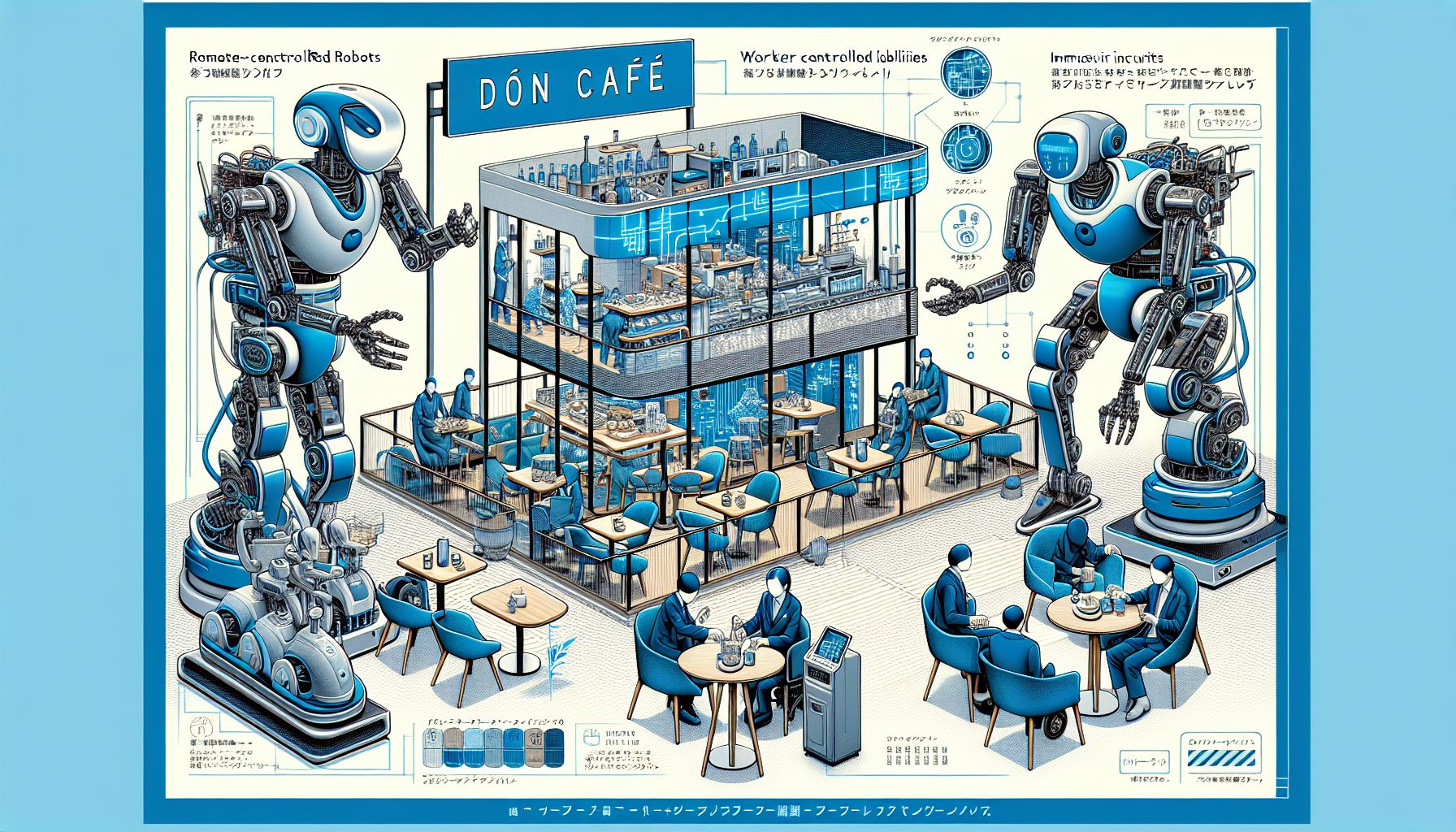
A unique café in Tokyo, Don Cafe, features robots controlled remotely by people with disabilities, providing meaningful employment opportunities. This innovative approach combines technology with inclusion, allowing disabled individuals to work in client-facing roles from home, enhancing both employee and customer experiences.
Innovative Inclusion in the Workforce
The concept behind Don Cafe is not just about serving coffee—it’s about redefining the possibilities of employment for individuals with disabilities. By remotely controlling the robots, these workers can engage with customers in real-time, providing a personalized service experience while overcoming traditional employment barriers. This model not only revolutionizes the service industry but also sets a precedent for how technology can be leveraged to create inclusive work environments.
Technology Meets Human Touch
The success of Don Cafe underscores the importance of integrating human elements with advanced technology. Unlike AI-driven automation, the café’s robots are imbued with the personalities of their operators, maintaining a ‘human touch’ that many automated systems lack. This fusion of human intuition and robotic efficiency creates a unique customer experience that is both technologically advanced and deeply personal.
Global Implications for Inclusion
The implications of this initiative extend far beyond Tokyo. It serves as a model for other cities and industries aiming to enhance inclusivity through technology. By showcasing the potential for remote employment via robotics, Don Cafe encourages other businesses to consider similar models, potentially transforming the landscape of employment for people with disabilities worldwide.
The Bigger Picture in Robotics
While the café highlights a novel use of robotics, it also reflects broader trends in the industry. As robotics technology advances, such applications could become increasingly common, helping to bridge gaps in employment and accessibility. As noted by experts, the creative use of robotics for inclusion aligns with global trends towards more integrated and human-centric technological solutions.