NASA and China to Discuss Lunar Collaboration Amid Space Race
Milan, Wednesday, 16 October 2024.
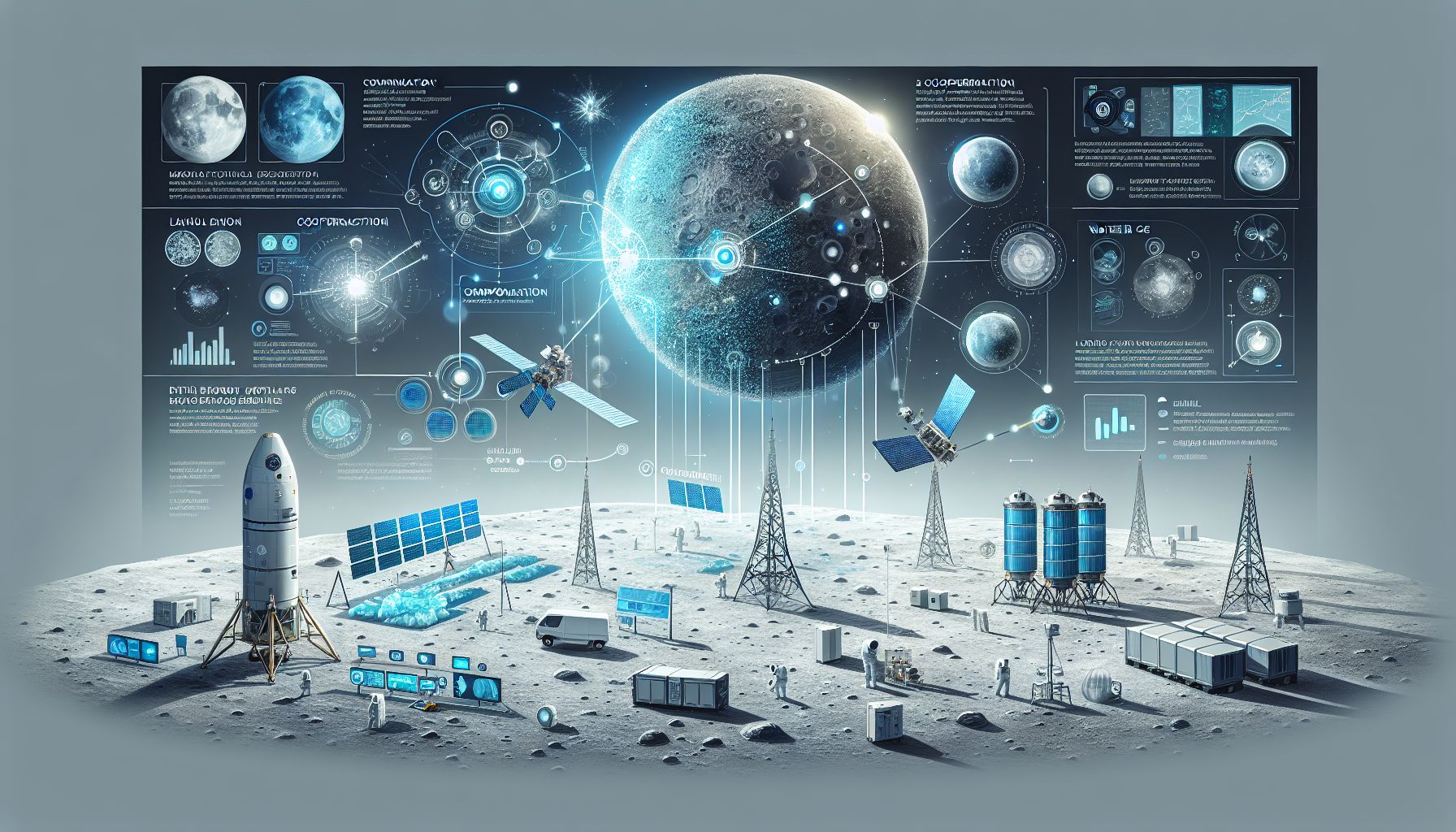
NASA and China are set to initiate talks on future moon missions, focusing on data exchange and mission coordination. This development comes as both nations aim to establish sustainable lunar presences, with the moon’s south pole being a key area of interest due to potential water ice resources.
Strategic Imperatives in Space Exploration
The collaboration between the United States and China in lunar missions represents a significant chapter in the ongoing space race. As outlined by NASA Administrator Bill Nelson, the discussions are poised to address crucial elements like orbital deconfliction and data sharing among lunar missions. This initiative underscores a broader strategy aimed at peaceful exploration and mutual assistance in times of need, as highlighted by the Artemis Accords[1]. With both nations targeting the lunar south pole—a region believed to harbor water ice—this collaboration could pave the way for advancements in sustainable space exploration and resource utilization.
Technological and Regulatory Challenges
However, technological and regulatory challenges loom large. The disparate standards and interfaces between NASA’s Artemis Accords partners and China’s collaborators could pose significant hurdles. As the spacefaring community navigates ‘regulatory darkness’ with few internationally agreed-upon rules for lunar activities, establishing a cohesive framework becomes imperative[2]. The absence of such regulations could jeopardize not only the mission’s success but also the potential for collaborative scientific discoveries.
The Role of Lunar Resources
Central to this discourse is the strategic importance of lunar resources, particularly those around the moon’s south pole. These resources, such as water ice, have the potential to transform humanity’s relationship with the moon by providing potable water, breathable air, and rocket fuel. Such capabilities could enable extended lunar missions and further solar system exploration[2]. China’s recent unveiling of a new spacesuit designed for lunar conditions further emphasizes its commitment to establishing a long-term presence on the moon[3].
Implications for Global Space Dynamics
The discussions between NASA and China also carry broader implications for global space dynamics. With China making rapid progress in its lunar exploration initiatives, concerns about the U.S.’s ability to compete effectively have surfaced. The Chang’e program, with its successful lunar missions, exemplifies China’s growing prowess in space exploration[2]. As both nations vie for lunar dominance, the need for international dialogue and cooperation becomes increasingly evident, echoing the sentiments of experts advocating for science as a platform for establishing peaceful collaboration[2].
Conclusion: A New Era of Moon Exploration
As NASA and China embark on this new chapter of lunar exploration, the potential for collaborative breakthroughs is immense. Yet, it remains contingent on overcoming technological, regulatory, and geopolitical challenges. The outcome of these discussions could define the future of space exploration, setting the stage for unprecedented scientific achievements and, possibly, a new era of international cooperation in outer space. The synergy between public and private resources, particularly in the U.S., could further accelerate this progress, offering a unique advantage in the evolving space landscape[2].